Best Clear Plastic Tarpaulin for Waterproof Solutions?
When it comes to waterproof solutions, the choice of materials is crucial. Industry expert Dr. Emily Carter emphasizes the versatility of Clear Plastic Tarpaulin, stating, "A reliable tarpaulin can make all the difference in protecting your assets." This material has gained popularity for its sturdy construction and adaptability across various applications.
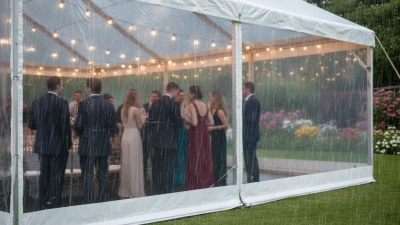
Clear Plastic Tarpaulin offers transparency, allowing visibility while shielding from elements. Whether used for outdoor events, covering equipment, or protecting furniture, it proves to be essential. Its waterproof properties mean it effectively keeps moisture at bay, but imperfections can arise. Over time, UV exposure might reduce clarity, leading to questions about longevity.
Choosing the right Clear Plastic Tarpaulin involves weighing factors like thickness, UV resistance, and intended use. Each project might require a different approach. A quality tarpaulin isn't merely a product; it reflects considerations of durability and practicality as well. Understanding these nuances helps in making informed decisions.

Best Clear Plastic Tarpaulin Types for Various Applications
When considering clear plastic tarpaulins, several types cater to various needs. Heavy-duty options are perfect for construction sites, providing robust protection against rain and debris.
Different applications require different strength levels. For outdoor storage, a thicker tarpaulin ensures durability. In contrast, a lighter material may suffice for temporary uses, such as camping or picnics. Each choice comes with its own set of limitations. Striking a balance between weight and strength is essential.
Tips: Always check the UV resistance of your tarp. Prolonged sun exposure can lead to degradation. When in doubt, opt for a higher thickness. Evaluate your specific needs first. This thoughtful approach can save you time and money in the long run. Choose wisely based on expected conditions.
Key Features to Look for in Waterproof Clear Tarpaulins
When selecting a clear plastic tarpaulin for waterproof solutions, several key features are essential. Look for durability, as high-quality materials often withstand extreme weather conditions. A report by the American Society for Testing and Materials indicates that UV resistance is crucial for longevity, preventing degradation when exposed to sunlight. Materials with reinforced seams typically offer added strength, reducing the risk of tears during use.
Waterproof strength is another vital aspect. Tarpaulins should have a hydrostatic head rating, ideally above 1500 mm, ensuring effective water resistance. This metric indicates how well the material can resist water pressure. Additionally, consider thickness; a gauge of 10 mils or more often correlates with increased durability. However, thicker tarpaulins may hinder ease of handling.
Transparency is also significant for visibility purposes. Tarpaulins should allow light to pass through, making them suitable for various applications, from outdoor events to commercial uses. Balancing visibility, durability, and waterproof features can be challenging. It's vital to assess the specific application needs while keeping in mind that not every product will excel in all these areas. Sometimes, compromises are necessary to optimize for high performance.
Comparison of Material Thickness and Durability in Clear Tarps
When choosing a clear plastic tarpaulin for waterproof solutions, material thickness and durability play critical roles. Research shows that a thickness of 6 mils is common for moderate use. However, thicker tarps, around 10 to 20 mils, are gaining popularity for industrial applications. They offer greater resistance to tears, punctures, and harsh weather. A study indicates that a 20 mil tarp can endure 50% more stress before failure compared to a 10 mil tarp.
Durability isn't solely about thickness. Environmental factors such as UV exposure and temperature changes affect performance. Reports suggest that UV-resistant tarps can last up to five years outdoors. Yet, many consumer-grade options fall short, deteriorating in just one or two years. This inconsistency highlights the importance of understanding the specific needs of your project.
Investing in a higher-quality clear tarp can be cost-effective in the long run. However, many consumers are drawn to lower-priced options, risking premature wear and replacement. Balancing cost with quality can be challenging. Reflection on your project's requirements can guide the decision-making process. Keep in mind, clear tarpaulins are more than just protective covers; they should meet both functional and durability expectations.
Best Clear Plastic Tarpaulin for Waterproof Solutions
| Material Thickness (mil) |
Durability Rating |
Waterproof Level |
UV Resistance |
Temperature Resistance (°F) |
Price per Square Foot |
| 6 |
Moderate |
Excellent |
High |
-20 to 120 |
$0.25 |
| 12 |
High |
Excellent |
Very High |
-10 to 130 |
$0.40 |
| 20 |
Very High |
Excellent |
Extreme |
0 to 150 |
$0.60 |
| 8 |
Moderate |
Very Good |
High |
-5 to 125 |
$0.30 |
Industry Standards for Clear Tarpaulin Waterproof Ratings
When assessing clear tarpaulins, it's vital to consider waterproof ratings defined by industry standards. The ASTM D779-15 test measures the waterproofness of materials. According to this test, a tarpaulin should demonstrate a minimum hydrostatic head of 800 mm. This standard ensures that the tarp provides adequate protection against water intrusion.
Another important metric is the water penetration index (WPI). A clear tarpaulin with a WPI score of below 1.5 indicates high performance in waterproofing. These measurements help industry professionals select the right tarpaulin for construction, agriculture, or outdoor events. However, not all clear tarpaulins are equal. Variations in thickness, UV resistance, and seam sealing can affect overall effectiveness.
While some options may claim to be waterproof, testing reveals discrepancies. Real-world performance can fall short of expectations. It's crucial to review technical documents and verify claims from manufacturers. Familiarizing yourself with these industry standards is essential for making informed decisions. A clear understanding of waterproof ratings ensures that you choose solutions that meet your specific needs.
Cost-Effectiveness of Clear Plastic Tarpaulins in Construction Projects
Clear plastic tarpaulins are gaining popularity in construction projects. They offer a versatile solution for waterproofing. Their transparent nature allows natural light in, enhancing visibility on job sites. This factor can improve workflow, making tasks easier.
When selecting a tarpaulin, cost-effectiveness is a key consideration. Higher upfront costs can be justified by durability and longevity. Investing in quality materials reduces the need for replacements. Look for options with UV resistance to prolong their lifespan.
Tips: Always consider the size and thickness needed for your specific applications. Measure your spaces accurately to avoid unnecessary waste. Regular inspection of tarpaulins can uncover wear and damage early, saving money in the long run. Be mindful of the installation process; improper setup can lead to leaks and diminished effectiveness. Balancing quality with cost is essential for achieving the best results.
Cost-Effectiveness of Clear Plastic Tarpaulins in Construction Projects
This bar chart illustrates the cost-effectiveness of clear plastic tarpaulins based on their durability levels. As durability increases, the cost per square meter also increases, providing insight into budget planning for construction projects.

 +86 19005411400+86 15006803065
 Contact Phone
 Contact Email