How to Choose the Best Clear PVC Tarpaulin for Your Needs?
Selecting the right Clear PVC Tarpaulin is crucial for various applications. According to the latest market analysis by Industry Research Group, the demand for high-quality tarpaulins has increased by 25% over the past year. This spike highlights the need for consumers to make informed decisions tailored to their specific needs.
Industry expert Dr. Mark Anderson, a renowned figure in flexible material science, emphasizes, "Choosing the right Clear PVC Tarpaulin can greatly impact durability and functionality." Clear PVC Tarpaulins offer transparency and strength, making them ideal for both commercial and personal use. However, many still overlook critical factors like thickness, UV resistance, and intended application.
Understanding these elements is vital. Consumers often make impulse choices without proper consideration, leading to dissatisfaction. To avoid regret, it’s essential to reflect on your specific requirements. Considering the variety of options available, careful evaluation is necessary to find the Clear PVC Tarpaulin that best fits your needs.
Understanding Clear PVC Tarpaulin and Its Applications
Clear PVC tarpaulin is gaining popularity across various industries due to its unique properties. This versatile material provides protection against the elements while allowing visibility. Its transparency can enhance the aesthetics of any structure, making it ideal for greenhouses, outdoor events, and construction sites. According to the PVC Tarpaulin Market Analysis Report, the global demand for clear PVC tarpaulin is projected to grow at a CAGR of 7.5% through 2028.
This tarpaulin is not just about looks. It is known for its durability and resistance to wear. It can withstand various weather conditions, from intense sunlight to heavy rain. A study by the International Journal of Environmental Research noted that clear PVC tarpaulin exhibits excellent UV resistance, which prolongs its lifespan. However, some may find it challenges to maintain its clarity over time. Exposure to dirt, pollutants, and marine environments can lead to discoloration, which requires regular cleaning and upkeep.
The application of clear PVC tarpaulin is diverse. It is widely used in agriculture for covering plants and extending growing seasons. In warehousing, it protects goods from dust and moisture while offering visibility. Despite its benefits, choosing the right thickness and quality can be daunting. Many options in the market may not meet safety standards, emphasizing the importance of conducting thorough research before making a purchase. Proper assessment of needs will aid in selecting the most suitable option for specific applications.
How to Choose the Best Clear PVC Tarpaulin for Your Needs?
| Dimension (ft) |
Thickness (mm) |
Applications |
Waterproof |
UV Resistance |
| 10 x 20 |
0.5 |
Construction covers, outdoor events |
Yes |
Yes |
| 12 x 24 |
0.7 |
Agricultural use, temporary shelters |
Yes |
Yes |
| 15 x 30 |
1.0 |
Industrial applications, storage |
Yes |
Yes |
| 20 x 40 |
1.5 |
Event tents, vehicle covers |
Yes |
Yes |
Factors to Consider When Choosing Clear PVC Tarpaulin
When choosing a clear PVC tarpaulin, several factors are crucial. The thickness of the material matters greatly. Thicker tarpaulins offer more durability but can be less flexible. Consider what your application demands. Do you need a heavy-duty option or something lightweight? Each serves different needs.
Transparency is another essential aspect. Clear PVC tarpaulin provides excellent visibility, ideal for greenhouses or cover for displays. However, the level of clarity can vary. Some options may have a slight tint. It’s worth checking whether this affects your specific use case. It's a subtle detail, but important when planning your project.
Lastly, pay attention to the weather resistance. Tarpaulins are often exposed to UV rays and harsh conditions. Ensure the product is treated for durability against the elements. It’s the little things that add up. A strong, well-made tarpaulin can last many seasons. Choose wisely, and reflect on what features align best with your needs.
Comparing Different Grades and Thicknesses of Clear PVC Tarpaulin
When choosing the right clear PVC tarpaulin, understanding the grades and thicknesses is crucial. Clear PVC tarps come in various thicknesses, typically ranging from 0.15mm to 1.0mm. Thicker tarps generally provide better durability and resistance against environmental factors. For example, a 0.8mm tarp may offer superior protection in harsh weather conditions. Industry data indicates that thicker materials significantly outperform thinner ones in both longevity and strength.
Different grades cater to specific applications. Heavy-duty tarpaulins are ideal for construction sites, while lighter options may suffice for temporary shelters or event coverings. According to a market analysis from 2022, around 70% of commercial users prefer heavy-duty grades for their resilience and life expectancy. However, those lesser grades often represent a more cost-effective choice for short-term uses. Many users struggle with this balance, as their needs can vary widely based on the specific project.
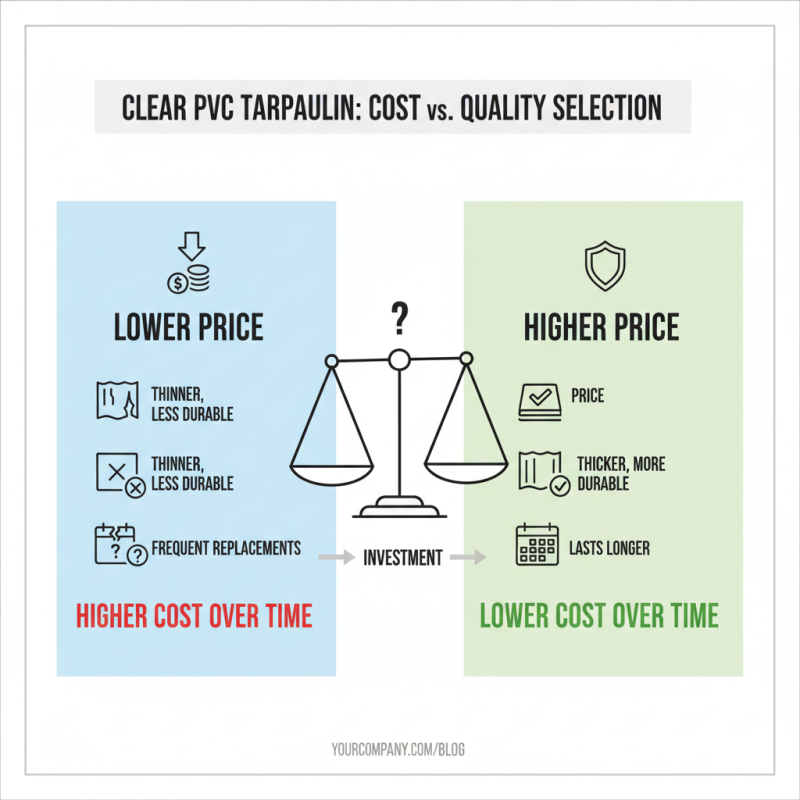
When evaluating options, consider the clarity required for your application. A clear tarp can provide visibility while shielding against UV rays and rain. Interestingly, some users tend to underestimate the importance of thickness, opting for cheaper, thinner tarps. This often leads to frequent replacements, ultimately increasing costs. It's essential to scrutinize specifications and ensure that the material meets your unique needs, rather than settling for the most affordable option.
Comparison of Different Grades and Thicknesses of Clear PVC Tarpaulin
Assessing Cost vs. Quality in Clear PVC Tarpaulin Selection
When selecting a clear PVC tarpaulin, the balance between cost and quality is crucial. Many users often opt for cheaper options, thinking they're saving money. However, these lower-priced tarps may not withstand harsh conditions. They might be thinner or less durable, leading to quicker wear and tear. Investing in a better-quality tarpaulin can save you from frequent replacements, which adds up over time.
Consider the specific needs of your project. A lightweight option might work well for temporary coverings or light-duty use. Conversely, a heavy-duty tarp offers better longevity for prolonged exposure to UV rays, rain, or wind. It's essential to evaluate the environment where the tarp will be used. If you're unsure which features matter most, consulting industry experts or reading reviews can provide valuable insights to guide your decision-making.
Additionally, remember that cost alone doesn’t determine quality. Some manufacturers may charge a premium without delivering superior products. Examine the material thickness, resistance to tearing, and clarity. Ask for product samples when possible. This allows you to assess the quality firsthand. Reflecting on your specific needs will ultimately lead to a more informed decision, ensuring you choose the best clear PVC tarpaulin for your requirements.
Maintenance and Care Tips for Clear PVC Tarpaulin Products
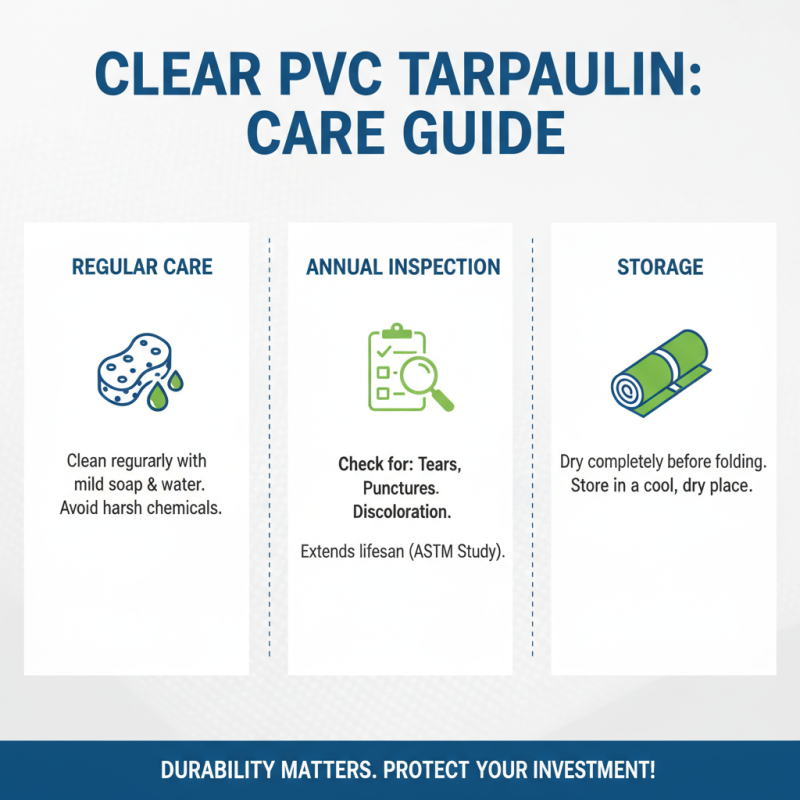
When it comes to maintaining clear PVC tarpaulin products, regular care is essential. These tarpaulins are known for their durability but can suffer from wear and tear if not properly looked after. According to a study by the American Society for Testing and Materials, annual inspections of tarpaulin integrity can greatly extend their lifespan. Signs of damage can include tears, punctures, or discoloration.
Cleaning is a critical aspect of maintenance. Use mild soap and water to remove dirt and grime. Avoid harsh chemicals that can degrade the material. Experts recommend minimum cleaning every three months, especially if the tarpaulin is exposed to the elements. Residues can lead to mold or mildew, which may be difficult to remove. Research indicates that a clean surface helps maintain clarity and extend usability.
Storage is another consideration. Store tarpaulins in a cool, dry place, away from direct sunlight. UV rays can cause the material to become brittle over time. Rolling the tarpaulin instead of folding it can prevent creases that may weaken it. Ultimately, even well-cared-for products may need replacement every few years. Regularly assessing the condition of your tarpaulin will ensure optimal performance for years to come.

 +86 19005411400+86 15006803065
 Contact Phone
 Contact Email