Is Soft Artificial Grass Worth It for Your Outdoor Space?
In recent years, "Soft Artificial Grass" has gained significant attention for transforming outdoor spaces. Leading expert Dr. Emily Carter, a landscape architect, emphasizes, "Soft Artificial Grass combines beauty and functionality, making it a game changer for homeowners." Many people wonder if it truly lives up to the hype.
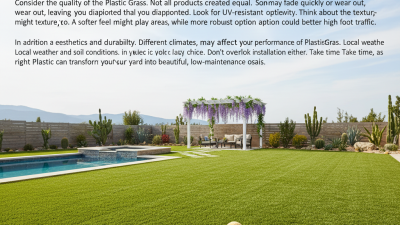
Soft Artificial Grass offers a lush, green appearance year-round. However, homebuyers should consider its maintenance requirements. While it eliminates mowing and watering, installation can be a considerable investment. The feel underfoot is often mentioned as one of its best features. But, is it suitable for all climates and uses?
The choice to invest in Soft Artificial Grass should be well thought out. It enhances aesthetics yet raises questions about durability and environmental impact. Reflecting on long-term costs versus initial expenses is crucial. Like any product, it comes with advantages and disadvantages, demanding careful consideration before making a decision.
Benefits of Installing Soft Artificial Grass in Outdoor Spaces
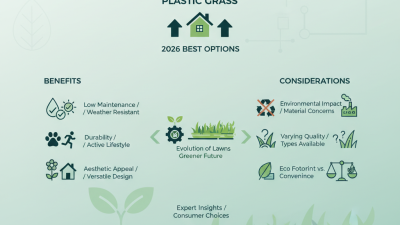
Soft artificial grass offers numerous advantages for outdoor spaces. One key benefit is its low maintenance requirement. Homeowners can save time and money on watering, mowing, and fertilizing. According to a report by the Synthetic Turf Council, artificial grass can reduce water usage by up to 70%. This is especially crucial in drought-prone areas.
Additionally, soft artificial grass is designed to withstand heavy foot traffic. This makes it ideal for families with kids or pets. The infill materials used today ensure the surface drains well. Many homeowners report a more comfortable surface compared to traditional grass. A study in the Journal of Environmental Management shows that properly installed artificial grass can significantly enhance the usability of outdoor spaces.
However, it’s essential to consider potential drawbacks. Some studies suggest that artificial grass can feel hotter than natural grass under direct sunlight. Users may need to be mindful during peak temperatures. Another point is the environmental impact of production. While it reduces some resource usage, the materials used in some synthetic grasses can raise concerns. Finding a balance between benefits and potential downsides is vital for homeowners.
Considerations for Choosing the Right Type of Artificial Grass
Choosing the right type of artificial grass requires careful thought. Various materials are available, each suited for different needs. Soft artificial grass provides a comfortable feel underfoot. It’s often used in play areas for children and pets. Look for options designed for durability and UV resistance. This ensures your investment lasts and looks great.
Consider the intended use of the space. Do you want a lush lawn appearance, or is functionality more critical? Some grass types can withstand heavy traffic better than others. As you explore, keep in mind the installation process can vary. Improper installation could lead to issues like uneven surfaces or poor drainage. Do thorough research before making a decision.
Another factor to weigh is maintenance. Soft artificial grass may require periodic brushing and cleaning. Assess how much time you're willing to devote. Sometimes, opting for lower-maintenance solutions could provide peace of mind. Reflect on what truly matters in your outdoor space. Making the right choice will enhance your enjoyment and the overall aesthetics.
Comparison of Artificial Grass Types for Outdoor Space
Cost Comparison: Soft Artificial Grass vs. Natural Grass
When comparing soft artificial grass to natural grass, cost is a significant factor. Initial installation of soft artificial grass can be higher. Homeowners pay for the materials and labor upfront. However, the long-term savings can be substantial. Natural grass requires regular maintenance, including mowing, watering, and fertilizing. These costs add up over time.
Consider the initial investment carefully. Soft artificial grass lasts longer, reducing the need for frequent replacements. This durability contributes to savings. You won't need to invest in lawn care tools either.
Tips: Regular maintenance of natural grass can cost a few hundred dollars annually. If you choose synthetic grass, simply brush it occasionally. It helps to keep the fibers standing upright. Another tip is to assess your climate. In arid regions, soft grass can save on water bills.
Maintenance Requirements for Soft Artificial Grass
Soft artificial grass offers several advantages, especially in terms of maintenance. Unlike natural grass, it requires minimal upkeep. A report from the Synthetic Turf Council indicates that synthetic lawns can save up to 70% in water consumption. For anyone looking to reduce their water bill, this is a significant benefit. Additionally, using artificial grass eliminates the need for pesticides and fertilizers, which can harm local ecosystems.
Despite these advantages, some users find it lacks the same tactile feel as natural grass. While soft artificial grass provides a plush surface, it may not satisfy everyone’s desire for authenticity. Furthermore, regular cleaning is still necessary to prevent debris buildup. A study by the International Turfgrass Society suggests that maintaining artificial grass requires brushing and occasional rinsing to keep its appearance. While this may surpass care for conventional lawns, it’s still manageable for many homeowners.
Additionally, soft artificial grass can become warm under direct sunlight. This characteristic may be uncomfortable for pets or children playing on it. Some homeowners may also notice fading over time, which can diminish its visual appeal. These aspects need consideration before deciding. Understanding these points fosters informed choices about outdoor space improvements.
Environmental Impact of Using Soft Artificial Grass in Landscaping
The environmental impact of using soft artificial grass in landscaping is multifaceted. On one hand, it requires less water compared to natural grass. This can significantly save water resources in arid regions. Homeowners can avoid the need for regular irrigation, which can be a relief in drought-prone areas.
However, soft artificial grass is made from synthetic materials, which raises concerns. Over time, these materials can degrade and contribute to plastic pollution. The production of artificial grass also consumes energy and releases greenhouse gases. This is an aspect that needs more scrutiny. Some experts argue that it can disrupt local ecosystems, as insects and butterflies may diminish due to the lack of natural habitat.
In urban settings, soft artificial grass might provide a solution to bare patches in landscaping. Yet, one must consider the long-term implications. While it may look pristine for years, the reliance on synthetic options could lead to more environmental harm. Balancing aesthetics and ecological responsibility is crucial in landscaping choices. Each decision should weigh immediate benefits against potential drawbacks for our environment.
Is Soft Artificial Grass Worth It for Your Outdoor Space? - Environmental Impact of Using Soft Artificial Grass in Landscaping
| Aspect |
Soft Artificial Grass |
Natural Grass |
| Lifespan |
10-15 years |
5-10 years |
| Water Usage |
0 gallons/year |
30,000+ gallons/year |
| Maintenance |
Low (occasional brushing and hosing) |
High (mowing, watering, fertilization) |
| Cost (Installation) |
$5-$20 per sq. ft. |
$1-$3 per sq. ft. |
| Heat Absorption |
Can be higher, can use cool technologies |
Lower, depends on grass type |
| Environmental Benefits |
No pesticides, reduced water waste |
Supports local biodiversity |
| Recyclability |
Some options available for recycling |
Biodegradable |

 +86 19005411400+86 15006803065
 Contact Phone
 Contact Email