Why Choose Sports Artificial Turf for Your Facility?
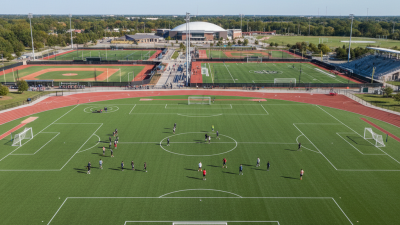
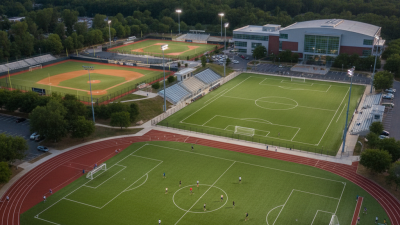
Choosing the right playing surface affects athlete safety, operating costs, and the daily rhythm of a facility. Sports Artificial Turf offers consistent footing across changing weather conditions. Rain does not automatically turn a busy field into a muddy, unusable space. That reliability matters when schools, clubs, and community programs share one venue.
Dr. Andrew McNitt, a respected sports-turf researcher, explains, “No surface is perfect; performance depends on how it is designed, installed, and maintained.” His point deserves attention. A synthetic field is not a maintenance-free solution. It still needs brushing, infill checks, seam inspections, and scheduled cleaning. Neglect can create compacted areas, uneven traction, or drainage problems.
The details are tangible. A well-installed field should drain water after heavy rain, provide stable footing during sharp turns, and reduce surface damage from repeated training sessions. Players notice loose infill beneath their boots. Facility managers notice the difference in cancelled games and repair invoices.
Sports Artificial Turf can also support a fuller booking schedule. It may allow morning practices, evening matches, and weekend events with fewer weather-related interruptions. That advantage must be balanced against surface temperature, ventilation, replacement planning, and responsible material selection.
The choice is not automatic.
A facility should assess its climate, sport type, athlete age, usage hours, and maintenance capacity before investing. Some buyers focus only on appearance. That is a mistake. A bright green field may look impressive, yet performance depends on its foundation, drainage, fiber system, and long-term care. Careful evaluation makes the surface a practical asset rather than an expensive shortcut.
What Sports Artificial Turf Is and How It Supports Athletic Facilities
Sports artificial turf is a layered playing surface, not simply plastic grass. It usually combines synthetic fibers, infill, a shock pad, and a carefully prepared base. Together, these layers manage ball roll, player traction, impact absorption, and drainage. The FIFA Quality Programme Handbook of Test Methods evaluates football turf through factors such as shock absorption, vertical deformation, ball rebound, and rotational resistance. Those measurements help facility managers compare surfaces beyond appearance.
The numbers suggest strong demand. Grand View Research estimated the global synthetic turf market at roughly US$3.5 billion in 2023, with continued growth expected through 2030. However, market growth does not prove that every field performs well. It is not maintenance-free. A busy training ground still needs brushing, infill checks, seam inspections, and surface cleaning. A practical inspection might reveal compacted infill near penalty spots, weak drainage beside touchlines, or uneven wear at gate entrances. These details affect safety and playing consistency. ASTM testing standards also help assess shock attenuation and surface behavior, but test results cannot replace local experience. Climate, usage hours, footwear, and maintenance quality can change performance considerably. That limitation deserves attention. A facility may choose artificial turf for dependable scheduling, yet poor installation or neglected maintenance can undermine that advantage.
Why Choose Sports Artificial Turf for Your Facility? - What Sports Artificial Turf Is and How It Supports Athletic Facilities
Sports artificial turf is an engineered playing surface made from synthetic fibers, backing layers, drainage components, and, where required, performance infill. The following typical specifications show how it can support safety, playability, durability, and facility operations.
| Performance Dimension |
Typical Data or Specification |
How It Supports an Athletic Facility |
| Surface Construction |
Synthetic fibers, backing, infill, shock pad, and drainage layers |
Creates a stable, purpose-built surface that can be designed for football, soccer, rugby, field hockey, tennis, or multi-use recreation. |
| Pile Height |
Approximately 40–60 mm for many football and rugby systems; sport-specific systems may differ. |
Helps balance ball interaction, player traction, surface resilience, and infill retention. |
| Shock Absorption |
Common tested performance range: 55%–70% force reduction, depending on the complete system and test method. |
Reduces impact loads and supports a more consistent playing response when the surface is correctly designed and maintained. |
| Vertical Deformation |
Approximately 4–10 mm is a common performance range for compliant sports surfaces. |
Provides controlled cushioning while helping the field remain stable during running, turning, and jumping. |
| Ball Rebound |
Approximately 0.6–1.0 m for football testing under commonly used performance criteria. |
Supports predictable ball behavior and more consistent training and competition conditions. |
| Water Permeability |
Many sports systems are designed for drainage rates of at least 180 mm/hour; actual performance depends on the base and drainage design. |
Helps remove rainwater efficiently, reduce surface ponding, and improve field availability after wet weather. |
| Playing Availability |
Often supports more frequent use than natural grass, subject to maintenance, climate, and facility scheduling. |
Allows schools, clubs, and community facilities to schedule more training sessions and activities on a reliable surface. |
| Weather Consistency |
Does not require sunlight or biological recovery to maintain turf coverage. |
Maintains a more uniform appearance and playing surface during periods of heavy use or limited natural grass growth. |
| Routine Maintenance |
Regular brushing, debris removal, infill redistribution, inspections, and periodic deep cleaning. |
Preserves fiber alignment, traction, drainage, shock absorption, and overall surface performance. |
| Typical Service Life |
Approximately 8–12 years for many heavily used systems, depending on traffic, climate, maintenance, and construction quality. |
Provides a long-term facility asset when lifecycle inspections and planned maintenance are included in the operating budget. |
| Water Requirement |
No irrigation is needed for turf growth; water may still be used for cooling, cleaning, or dust control in certain climates. |
Can reduce routine irrigation demand compared with natural grass while preserving a green playing appearance. |
| Surface Uniformity |
Consistent fiber coverage and level playing characteristics when installed over a properly prepared base. |
Helps reduce variations caused by bare patches, uneven growth, or localized wear on natural surfaces. |
| Multi-Use Potential |
Can be configured for multiple sports when fiber type, infill, line markings, shock absorption, and ball response are selected appropriately. |
Improves the utilization of a facility and may support shared use by schools, clubs, municipalities, and community groups. |
Note: Actual performance depends on the complete installed system, including the turf product, infill, shock pad, base construction, drainage, climate, usage intensity, and maintenance program. Specifications should be verified through project-specific testing and applicable sports-surface standards.
Key Performance Benefits for Different Sports and Playing Conditions
Why Choose Sports Artificial Turf for Your Facility?
Sports artificial turf can deliver consistent traction when natural grass becomes muddy, thin, or uneven. That reliability matters during busy training schedules. Players also get a more predictable ball roll across the surface. In football and soccer, properly selected fibers support quick turns and controlled passes. In field hockey, a dense, level system can improve stick contact and ball speed. It is not magic. Poor installation can still create hard spots, seams, or drainage problems.
Different sports require different performance targets. A multipurpose field may need balanced shock absorption for running athletes and stable footing for sudden stops. Rugby areas often need resilient fibers and effective drainage after heavy contact. Tennis facilities may prefer controlled pace and consistent bounce, while community fields benefit from durable surfaces that tolerate frequent use. Under hot conditions, surface temperature deserves attention. Shade planning, infill selection, and regular watering can help, although cooling results vary.
Maintenance remains part of the performance equation. Brushing can redistribute infill, while inspections may reveal compacted zones before they become hazards. Facility teams should review local climate, athlete level, usage hours, and drainage design before choosing a system. Some installations last well; others disappoint because the surface was selected by appearance alone. That deserves a second look. Independent testing and documented maintenance records provide stronger evidence than sales language.
How Artificial Turf Improves Facility Use, Safety, and Maintenance
Artificial turf can keep a sports facility active when rain, compacted soil, or winter dormancy limits natural grass. Its value is practical: scheduled training, school matches, and community events can share one consistent surface. The FIFA Quality Programme Handbook sets football-turf benchmarks, including 55–70% shock absorption and 4–10 millimetres of vertical deformation. These measurements help reduce unpredictable footing. They do not eliminate injuries. Poor installation, worn infill, or incorrect footwear can still create hazards.
Maintenance is different, not absent. Facility teams should groom high-traffic zones, redistribute infill, clear debris, and inspect seams regularly. The Sports Turf Managers Association identifies these tasks as core synthetic-field practices. A maintenance log should record grooming dates, infill depth, surface temperature, and repairs. Small details matter. A flattened goalmouth can affect traction before it looks damaged. The European Chemicals Agency’s restriction assessment also highlights the need to manage loose rubber infill and prevent unnecessary environmental release. Local conditions change the workload. Heavy rain can move infill, while intense sunlight can raise surface temperatures. Shade structures and hydration stations may improve user comfort, but they add planning costs. Some operators expect lower maintenance expenses, yet neglecting routine care can shorten field life and increase replacement pressure. The surface is durable, not self-managing.
Environmental and Financial Factors to Evaluate Before Installation
Environmental and financial choices should be assessed together before installing sports artificial turf. FIFA’s Football Turf Handbook emphasizes regular brushing, infill redistribution, and drainage inspections. These tasks reduce compaction around high-use goal areas. They also create recurring labor and equipment costs.
Water savings can be substantial in dry climates. Industry analyses often report 50–70% lower irrigation demand than natural grass, depending on weather and field use. However, artificial turf can become extremely hot under direct sunlight. Research published in the Journal of Environmental Quality found surface temperatures may exceed natural grass by more than 20°C. Cooling systems require water, energy, or scheduling changes. That weakens simple “waterless field” claims.
Budget for more than installation. Synthetic Turf Council guidance commonly places service life near 8–12 years, but heavy use, poor drainage, and maintenance can shorten it. FIFA also warns that performance depends on correct construction and upkeep. Replacement includes removing carpet, infill, shock pads, and contaminated base materials. End-of-life recycling remains inconsistent. The European Chemicals Agency’s restriction work on intentionally added microplastics also increases uncertainty around rubber infill and future compliance costs. This issue deserves careful review. A lifecycle spreadsheet should include cleaning, infill top-ups, heat mitigation, drainage repairs, replacement, and disposal. Skipping these items may make the first quotation look attractive, but the real cost can appear years later.
Essential Criteria for Selecting and Managing the Right Turf System
Why Choose Sports Artificial Turf for Your Facility?
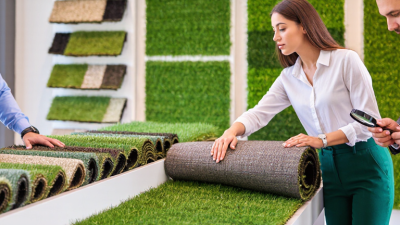
Choosing sports artificial turf requires more than comparing surface color and price. The right system should match your sport, usage level, climate, and maintenance capacity. A football field with daily training needs different turf from a small community court.
Check pile height, fiber resilience, infill stability, shock absorption, ball response, and drainage performance. Ask for independent test results, not only product claims. Reliable documentation supports better decisions.
Facility managers should inspect the base before installation. Uneven foundations can create soft spots, puddles, and premature wear. Drainage matters after heavy rain, especially where water collects near sidelines.
During operation, record cleaning dates, infill levels, seam condition, and surface hardness.
I once underestimated the effect of compacted infill; the field looked clean but felt noticeably harder underfoot. That mistake changed our inspection routine. No system is perfect.
Tips:
Walk the surface weekly and look for exposed seams, flattened fibers, or standing water. Measure infill depth at several busy zones, not only near the entrance. Schedule professional testing when play increases or athletes report unusual impact.
Keep maintenance records with dates, weather, repairs, and observations. Small details matter. Also, allow time for honest review.
A turf system may perform well in summer yet struggle during cold, wet months. Management decisions should follow evidence from the facility, not assumptions from a brochure.

 +86 19005411400+86 15006803065
 Contact Phone
 Contact Email