Why Choose a Clear Waterproof Tarp?
A Clear Waterproof Tarp can protect equipment from rain while letting daylight reach the space beneath it. That visibility matters over a greenhouse bench, a woodpile, or a temporary work area. You can check what is covered without lifting a wet, heavy sheet. Yet clear material is not automatically the best choice. Glare, condensation, scratching, and sunlight exposure can complicate daily use.
Technical selection should rely on measurable properties, not “crystal clear” claims alone. ASTM International’s D1003 method measures haze and luminous transmittance in transparent plastics. Its D751 method covers tests for coated fabrics, including strength and water resistance. These standards offer useful ways to assess related material performance; they do not certify every Clear Waterproof Tarp or guarantee a particular service life. Ask suppliers for product-specific test results, thickness, reinforcement details, and care instructions. Small differences matter. A reinforced hem and properly placed grommets can affect how securely a tarp handles wind and repeated handling.
A practical buying question is simple: will the cover stay clear and watertight in your actual conditions? Check how much light passes through, how edges are finished, and whether the product is intended for prolonged outdoor exposure. One limitation deserves attention: no verifiable direct quotation from a named Clear Waterproof Tarp industry expert was supplied, so I will not invent one. Product claims should be checked against published tests and manufacturer documentation. That is less dramatic, but more reliable.
What Is a Clear Waterproof Tarp?
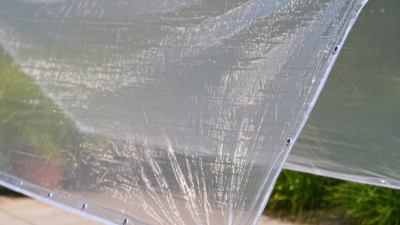
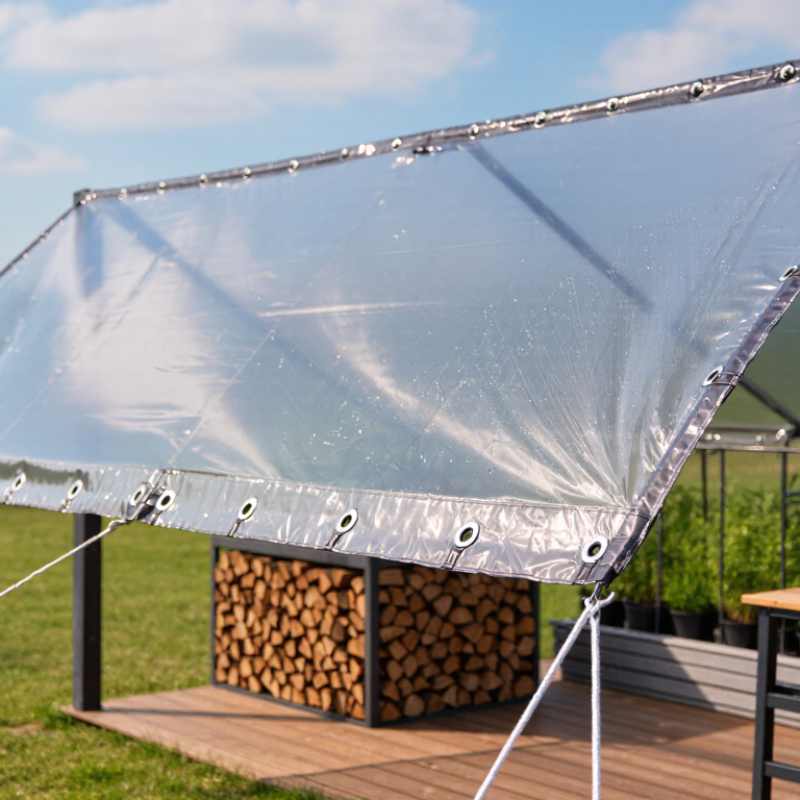
A clear waterproof tarp is a flexible sheet that blocks rain while allowing light to pass through. It is commonly made from transparent vinyl, polyethylene, or other coated materials. Thickness, clarity, and UV resistance can differ greatly between products.
Unlike an ordinary opaque tarp, this covering helps protect patio furniture, stored tools, plants, or outdoor work areas without creating complete darkness. Reinforced edges and metal grommets improve stability during installation. However, “clear” does not always mean perfectly transparent. Some tarps look cloudy, especially after folding, cold weather, or long sun exposure. That detail is easy to overlook.
Tips: Check the material thickness, grommet spacing, and UV rating before buying. Leave slight airflow around covered items to reduce condensation. A snug fit is useful, but excessive tension can tear the edges. Clean the surface with mild soap and water, not harsh chemicals. I have seen people treat a clear tarp like permanent roofing, which can cause problems. Most are better viewed as practical, temporary protection. Safety also depends on secure fastening, local weather, and the structure supporting it.
Why Choose a Clear Waterproof Tarp? - What Is a Clear Waterproof Tarp?
| Dimension |
What It Is |
Why It Matters |
| Material |
A flexible sheet commonly made from clear polyethylene or PVC (vinyl). Construction and thickness vary by product. |
Material affects flexibility, handling, durability, and suitability for different conditions. Check the product specifications before choosing. |
| Water resistance |
An intact, waterproof sheet can help keep rain and splashes away from the covered area. |
Useful for temporary outdoor covers, equipment protection, and shelter sides. Seams, hems, fasteners, and installation can affect how well water is kept out. |
| Visibility |
The transparent material allows people to see through the cover, though clarity varies with the material, surface, and finish. |
It can protect an area while keeping stored items or sheltered spaces visible. It does not provide the privacy of an opaque tarp. |
| Daylight |
Clear material lets some daylight pass through; the amount depends on the tarp’s thickness, tint, and surface condition. |
Can help brighten a covered space compared with an opaque cover, but it should not be treated as a substitute for a specified light-transmission product. |
| UV and weather exposure |
UV resistance and performance in cold, heat, or prolonged outdoor exposure vary by product. |
For extended outdoor use, look for stated UV resistance and temperature guidance. Clear appearance alone does not indicate UV protection. |
| Condensation |
Moisture can collect on the tarp or beneath it when warm, humid air meets a cooler surface. |
Allowing airflow and avoiding a tightly sealed, damp enclosure can help reduce condensation and trapped moisture. |
| Typical uses |
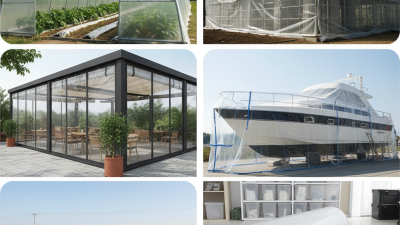
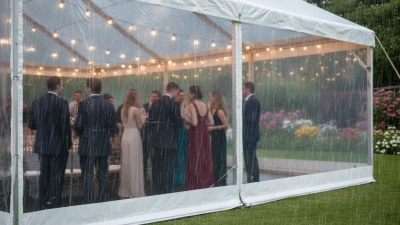
Common applications include temporary weather covers, greenhouse-style side panels, patio enclosures, and protecting items that need to remain visible. |
Choose a tarp suited to the intended setting, and secure it safely; a tarp is not a substitute for a purpose-built structure or safety barrier. |
| Care and storage |
Clean with a soft cloth or sponge and mild soap, then dry before folding when practical. |
Gentle cleaning and dry storage can help limit surface scratches, mildew, and premature wear. Follow the manufacturer’s care instructions. |
Note: Clear waterproof tarps differ in material, thickness, reinforcement, and performance. Confirm the product specifications for the intended use, including dimensions, UV resistance, temperature range, and fastening details.
How Clear Waterproof Tarps Work
Why Choose a Clear Waterproof Tarp?
How Clear Waterproof Tarps Work
A clear waterproof tarp relies on a coated polymer layer, usually PVC or polyethylene. The film blocks liquid water while allowing visible light through. Heat-sealed seams reduce leakage around folded edges and attachment points. Water resistance is not magic. It depends on coating thickness, seam quality, and fabric tension.
ISO 811:2018 measures resistance to water penetration through hydrostatic pressure. ASTM D751 also evaluates coated fabrics, including breaking strength and coating adhesion. These standards help buyers compare performance, although field conditions remain less predictable. The World Meteorological Organization reports that intense rainfall events are increasing in many regions, making drainage and secure installation more important. A sagging tarp can hold water like a shallow basin. That weight may stretch seams or damage eyelets.
Tips: Keep the surface sloped. Leave no deep pockets. Check seams after heavy rain.
Clear material can brighten a covered workspace, greenhouse walkway, or temporary storage area. However, transparency does not guarantee strong UV protection. The U.S. Environmental Protection Agency explains that ultraviolet exposure can degrade plastics over time. A tarp may look clean while becoming brittle underneath. That is easy to miss. Inspect corners, grommets, and cloudy sections every few months. I would also avoid assuming that thicker always means better; poor flexibility can create sharp stress points during wind.
Key Benefits of Choosing a Clear Waterproof Tarp
Why Choose a Clear Waterproof Tarp?
A clear waterproof tarp protects outdoor areas while preserving natural daylight. That matters in patios, temporary workspaces, market stalls, and greenhouse entrances. The 2023 Global Status Report for Buildings and Construction states that buildings consumed about 30% of global final energy in 2022. A transparent cover cannot replace efficient lighting, but it may reduce daytime dependence on electric lamps. The difference is visible: tools stay easier to find, and shaded work areas feel less enclosed.
Weather protection is another practical advantage. NOAA recorded 28 billion-dollar weather and climate disasters in the United States during 2023. A properly secured tarp can block rain, wind-driven spray, and falling debris in many short-term applications. It also keeps stored materials drier during transport or temporary outdoor use. Check the edges carefully. Most failures begin at loose corners, weak eyelets, or trapped water.
Clear material has limits. It can become cloudy, brittle, or less flexible after prolonged ultraviolet exposure. Condensation may also form beneath it, especially over cool soil or equipment. ASTM D751 provides recognized methods for testing coated fabrics, including strength and coating performance, but test results do not guarantee every installation. I have found that a small air gap improves drying, although it reduces complete sealing. That trade-off deserves attention. Choose reinforced edges, adequate drainage, and fastening points suited to the expected wind.
Common Applications for Clear Waterproof Tarps
Why Choose a Clear Waterproof Tarp?
Common Applications for Clear Waterproof Tarps
Clear waterproof tarps serve practical needs in construction, agriculture, transport, and outdoor storage. The Freedonia Group identifies these sectors as major end-use areas for tarps and protective covers. Transparency keeps daylight moving through covered spaces. That helps protect plants, stored materials, and temporary work areas without creating complete darkness.
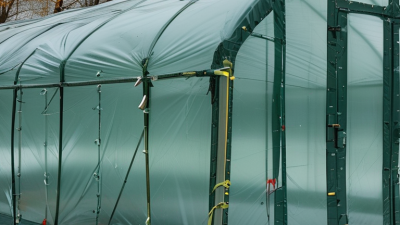
On farms, a clear tarp can shield seedlings from heavy rain and cold wind. Gardeners often use it over simple frames, leaving side openings for airflow. At construction sites, it can cover scaffolding, tools, and unfinished surfaces while preserving visibility. NOAA recorded 28 billion-dollar weather and climate disasters in the United States during 2023. That figure shows why quick, temporary weather protection still matters. However, clear film can trap heat faster than expected. I have seen covered spaces become uncomfortable within minutes.
Tips: Check the tarp’s thickness, reinforced edges, and grommet spacing. Use bungee cords instead of rigid ties when wind changes quickly. Keep the lowest edge slightly raised for drainage. Avoid letting water pool in the center. Clean dirt with mild soap, not harsh solvents. A transparent tarp improves visibility, but it does not replace ventilation or a proper permanent structure.
How to Select and Maintain the Right Tarp
A clear waterproof tarp allows light through while shielding furniture, plants, tools, and temporary work areas from rain. Its transparency also makes outdoor spaces feel less enclosed. However, appearance should not guide the purchase alone. Check the fabric thickness, waterproof rating, UV resistance, seam quality, and reinforced eyelets. A heavier tarp usually handles wind and repeated use better.
Measure the covered area carefully, then allow extra material for secure anchoring. A tarp stretched too tightly may tear around the eyelets. One that hangs loosely can collect rainwater. I once chose a size based only on length. It was a poor choice. Leave enough overlap for edges, but avoid loose folds that trap water. Use rounded supports where possible, and keep sharp corners away from the fabric. Never block essential ventilation in an enclosed shelter.
Maintenance begins after each use. Rinse off dirt with clean water and use mild soap for oily marks. Avoid harsh chemicals, stiff brushes, and high heat, which may weaken the coating. Let the tarp dry completely before folding it. Inspect seams, eyelets, and corners for cracks or stretching. Small damage deserves attention early. Store it in a cool, dry place away from direct sunlight and rodents. I sometimes forget this step, especially after a rushed project, and moisture damage appears later. Follow the care instructions supplied with the material, because coatings and temperature limits can differ.
Why Choose a Clear Waterproof Tarp?
Clear tarps provide rain and wind protection while allowing natural light to pass through.
Selecting the right thickness helps balance flexibility, durability, weight, and ease of handling.
How to Select and Maintain the Right Tarp
Common clear PVC tarp thicknesses are typically specified in mils. Thinner materials are easier to handle,
while thicker materials generally provide greater resistance to tearing and repeated outdoor use.
Clean the surface with mild soap and water, avoid abrasive tools and harsh solvents, allow the tarp to dry
completely before storage, and inspect grommets, seams, and edges regularly.

 +86 19005411400+86 15006803065
 Contact Phone
 Contact Email