What is Green Turf and Why Is It Essential for Your Projects?
Green Turf has emerged as a crucial element in various landscaping projects. Its importance goes beyond aesthetics. For professionals in the field, understanding the benefits of Green Turf is fundamental. It provides a visually appealing environment and contributes positively to local ecosystems. This turf offers superior durability and low maintenance. Homeowners and businesses are increasingly aware of its advantages.
Furthermore, Green Turf supports soil health and reduces erosion. It absorbs carbon emissions, making it a sustainable choice. However, it's vital to choose the right type of turf for specific projects. Certain varieties may not thrive in all climates. Misjudgments in selection can lead to project failure.
Investing in quality Green Turf is essential for long-term success. It ensures a robust green cover that withstands wear and tear. Professionals should consider local environmental factors and maintenance needs. They must remain adaptable and open to learning. The journey of integrating Green Turf into your projects can be rewarding.
What is Green Turf: Definition and Key Characteristics
Green turf, often referred to as artificial grass or synthetic turf, is a versatile material gaining popularity in various fields. Defined as a man-made surface made of synthetic fibers, it mimics the appearance of natural grass. This material is especially crucial in urban settings, where the demand for green spaces exceeds available land. According to a report by the Synthetic Turf Council, the market for synthetic turf is projected to reach $5.3 billion by 2028, reflecting its growing acceptance.
Key characteristics of green turf include its durability and low maintenance needs. Unlike natural grass, which requires regular watering, mowing, and fertilization, synthetic turf can withstand various weather conditions without significant wear. However, it does come with its challenges. For instance, the heat retention of synthetic surfaces can be a concern during hot weather, necessitating careful consideration of placement and use. Additionally, while green turf can conserve water, its production and disposal have environmental impacts that merit investigation.
Studies emphasize the importance of proper installation and infill materials in ensuring long-lasting performance. It is essential to choose materials that minimize the risks of heat and drainage issues. Evaluating the ecological footprint of artificial grass is increasingly important in project planning. As the industry evolves, stakeholders must address these complexities to make informed decisions about green turf applications in urban development and landscaping projects.
The Benefits of Green Turf in Environmental Sustainability
Green turf offers various benefits that enhance environmental sustainability. This artificial grass alternative helps reduce water usage. Traditional lawns require constant watering, but green turf needs minimal maintenance. This shift can lead to significant water conservation. Less water means better resource management.
Moreover, green turf contributes to reducing carbon footprints. Natural grass releases carbon dioxide as it grows. In contrast, the maintenance of natural lawns involves using fossil fuel-based equipment. Cutting down on this equipment usage can have a positive impact on air quality. This is important as cities face growing pollution challenges.
While green turf has many positives, it is essential to evaluate its long-term effects. Some critics argue that it may retain heat, affecting local microclimates. Understanding the balance of benefits and drawbacks is key. Ultimately, adopting green turf requires careful consideration, especially in urban planning initiatives. These discussions are vital as communities aim for sustainable futures.
Industry Statistics: Green Turf's Economic Impact and Cost Efficiency
Green turf has become a staple in various projects, particularly in landscaping and sports facilities. Recent statistics reveal that the economic impact of artificial grass is notable. It can reduce maintenance costs by up to 60%. This efficiency drives investment in green turf solutions. Additionally, studies show that such installations can increase property values, making them a wise financial choice.
The environmental benefits cannot be overlooked. Green turf helps conserve water, reducing irrigation needs. This is especially important in drought-stricken areas. However, it’s essential to recognize potential drawbacks. Installation costs can be high initially. Some may also question the long-term impact on local ecosystems. These concerns require careful consideration, but the overall advantages are compelling.
Recent surveys indicate that more homeowners are opting for green turf. Many appreciate its aesthetic appeal and durability. Yet, some struggle with the decision due to upfront costs and maintenance queries. As the industry matures, addressing these concerns will be vital for future growth. Balancing financial and ecological factors is essential for maximizing green turf's benefits.
Economic Impact and Cost Efficiency of Green Turf
This chart illustrates the economic impact and cost efficiency of green turf compared to natural grass. The data indicates that while the initial installation cost of green turf is higher, its maintenance costs are significantly lower, and it requires no water, contributing to its long lifespan. This makes green turf a more cost-effective solution in the long run.
Applications of Green Turf in Sports, Landscaping, and Urban Projects
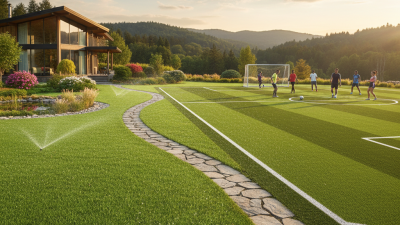
Green turf has become a vital component in various fields, especially in sports, landscaping, and urban projects. In sports, green turf is used for fields in football, soccer, and baseball. It offers a consistent playing surface, reducing injuries and improving performance. The careful selection of turf can enhance the player experience, providing a safe and aesthetically pleasing environment. However, the maintenance of synthetic turf raises questions on sustainability and long-term effects.
In landscaping, green turf transforms outdoor spaces into vibrant areas. Lawns, parks, and recreational spaces benefit greatly from its visual appeal. The color and texture contribute to a more inviting atmosphere. Nonetheless, some projects face challenges in water management and ecological impact. Balancing beauty and functionality is crucial. Urban projects also deploy green turf to combat heat and improve air quality. However, these areas may lack biodiversity, making it essential to consider native plant species alongside turf installation.
The applications of green turf are wide-ranging, but attention to detail is necessary. Each project has its unique challenges. Overlooking factors like environmental impact or long-term maintenance can lead to issues down the line. Making informed choices ensures that green turf meets both aesthetic and practical needs, ultimately benefiting communities.
Future Trends: Innovations in Green Turf Technology and Usage
The evolution of green turf technology is reshaping various sectors, particularly in landscaping and sports. As noted in a recent market report by Allied Market Research, the global artificial turf market is expected to reach $5.1 billion by 2027. This surge reflects the growing demand for sustainable and low-maintenance solutions. New innovations are making turf more environmentally friendly. For example, recent developments include recyclable materials in turf manufacturing, which helps reduce waste.
In sports applications, advanced green turf significantly enhances player performance and safety. According to the Sports & Fitness Industry Association, around 40% of facilities are now opting for artificial turf due to its durability. However, critical discussions continue around infill materials, as concerns about environmental impacts persist. Furthermore, integrating smart technology in turf management can optimize water usage, lowering costs by up to 30%. This aligns with the increasing emphasis on sustainable practices in the construction industry.
Investing in green turf brings both challenges and opportunities. While providing immediate benefits like reduced maintenance, some turf options still face scrutiny regarding long-term environmental effects. A balanced approach is essential for maximizing the advantages while addressing potential drawbacks. Understanding these innovations informs better decision-making for future projects, ensuring that solutions are both effective and sustainable.

 +86 19005411400+86 15006803065
 Contact Phone
 Contact Email