How to Choose the Best Garden Turf for Your Needs?
Choosing the right Garden Turf can be overwhelming. With numerous options available, making the best choice is essential for a thriving outdoor space. Expert John Green, a leading horticulturist, states, "The right turf can transform your garden into a lush paradise." This emphasizes the significance of selecting suitable grass for your garden's needs.
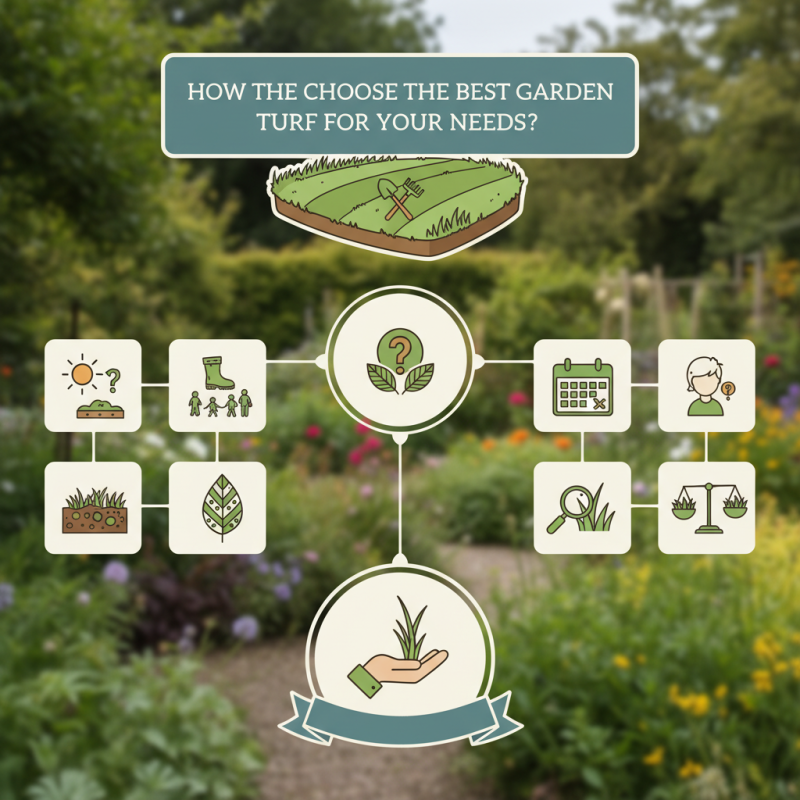
Garden Turf varies widely in texture, appearance, and growth requirements. Each type serves different purposes and climates. For instance, some turfs are best for high-traffic areas, while others are ideal for ornamental purposes. It's crucial to understand your garden's conditions, such as sunlight and soil type, when making a choice. The more informed you are, the better your turf will perform.
Reflecting on one's gardening experience can also reveal personal preferences. You might find that some turfs do not work well in your area. Testing different varieties can provide insights into what thrives in your space. By weighing options carefully, you can select the best Garden Turf tailored to your needs.
Understanding Different Types of Garden Turf: Key Characteristics and Uses
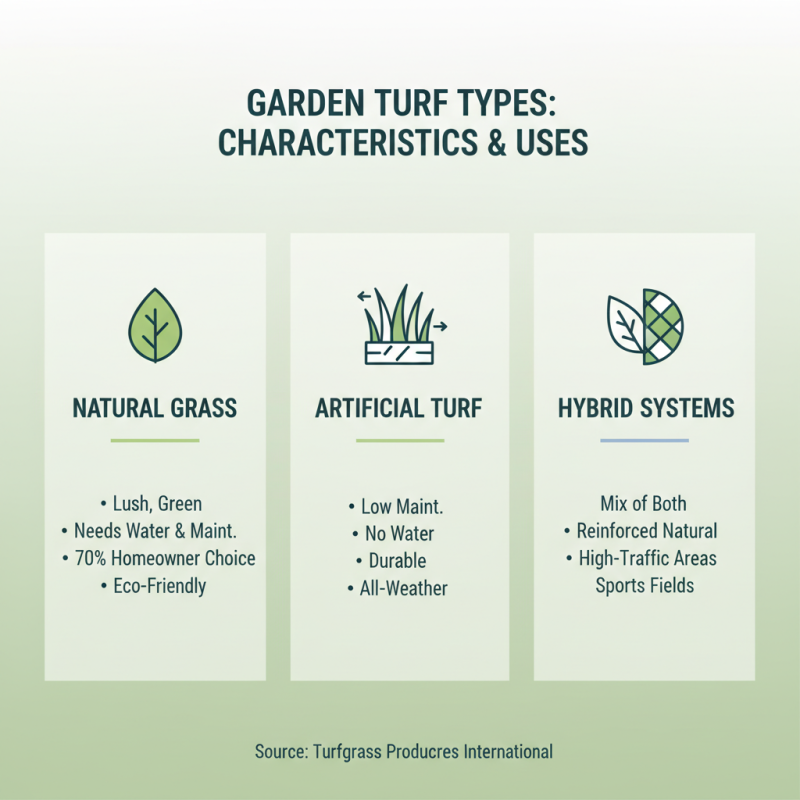
When selecting garden turf, understanding its types is crucial. There are primarily three categories: natural grass, artificial turf, and hybrid systems. Natural grass offers a lush, green appearance but often requires regular maintenance and watering. According to a report by the Turfgrass Producers International, approximately 70% of homeowners prefer natural lawns due to their aesthetic appeal and environmental benefits.
Artificial turf, on the other hand, appeals to those seeking low maintenance. It can withstand heavy foot traffic and harsh weather conditions. However, concerns about heat retention and a synthetic feel remain prevalent. A study found that, while artificial turf reduces water consumption, it often lacks the biodiversity of natural grass ecosystems.
Hybrid systems combine the advantages of both types. These solutions promote grass health while minimizing water use. They are ideal for eco-conscious gardeners. Research indicates that eco-friendly lawns can reduce energy usage and create a habitat for local wildlife. Each turf type has its pros and cons, and choosing the right one requires careful thought and consideration of your specific needs and local climate conditions.
Assessing Soil Condition and Climate: Factors Influencing Turf Selection
When selecting the best garden turf, understanding soil condition is vital. Different turfs thrive in various soil types. Sandy soils drain quickly but lack nutrients. Clay soils retain water but can become compacted. It’s important to test your soil. A home testing kit can reveal pH levels and nutritional content. Optimal turf growth often requires amending the existing soil to meet specific needs.
Climate also plays a crucial role in turf selection. Cool-season grasses do well in northern climates with cold winters. Warm-season grasses thrive in southern regions with hot summers. Local weather patterns influence turf hardiness. Observing sunlight exposure in your garden can help determine the best choice. A shaded area might require a different turf variety than a sun-drenched lawn.
While considering these factors, remember that every garden is unique. Trial and error is often part of the process. You may not get it right the first time. Adjustments may be necessary as conditions change. Embrace these challenges as you cultivate a vibrant lawn that fits your specific environment.
Evaluating Maintenance Requirements: Long-Term Care for Your Turf Choices
Choosing the right garden turf requires careful consideration of maintenance needs. Different types of turf demand varying levels of care. If you're busy or prefer a low-maintenance garden, opt for turf that requires less upkeep. These types often withstand drought and can thrive without frequent watering.
Tips: Always check the local climate. Some turf varieties flourish better in cooler regions, while others thrive in warmth. It’s essential to understand your local soil conditions too.
Long-term care is crucial for maintaining a lush lawn. Regular mowing, fertilization, and aeration are vital tasks. Skipping these essential steps can lead to weed growth and patchy areas. There might be moments where you feel overwhelmed by the upkeep, making it necessary to reassess your turf choice in the future.
Tips: Create a seasonal maintenance checklist. This will help simplify tasks and ensure you don’t overlook important care needs. Remember, even the best turf may not perform well if neglected. Consider your lifestyle and the time you can realistically dedicate to care.
Cost Analysis: Budgeting for Purchase and Installation of Garden Turf
When budgeting for garden turf, several factors come into play. The average cost of turf can range from $1 to $3 per square foot. Installation may add an additional $1 to $2 per square foot. According to the Lawn Institute, the total cost of sod installation for a standard 500-square-foot yard can total anywhere between $1,000 and $2,500. It’s essential to account for both materials and labor when planning.
You should also consider additional expenses such as soil preparation and maintenance. A quality layer of topsoil, which adds about $0.50 to $1.50 per square foot, improves the turf's life. An irrigation system may be necessary, too, depending on your region's climate. Professional installation can ensure proper drainage and reduce future maintenance costs.
Despite careful planning, unexpected costs may arise. For instance, if an area has poor drainage, additional work will be necessary, leading to higher expenses. It's wise to consult local experts for tailored advice and perform a thorough site analysis. While it may seem overwhelming, taking the time to budget well from the beginning can result in a beautiful and sustainable garden.
How to Choose the Best Garden Turf for Your Needs? - Cost Analysis
| Turf Type |
Cost per Square Meter ($) |
Installation Cost per Square Meter ($) |
Maintenance Cost per Year ($) |
Lifespan (Years) |
| Natural Grass |
3.00 |
2.00 |
150.00 |
10 |
| Artificial Turf |
10.00 |
5.00 |
50.00 |
15 |
| Seeded Turf |
2.50 |
1.50 |
100.00 |
8 |
| Sod Turf |
4.00 |
3.00 |
120.00 |
10 |
| Hybrid Turf |
8.00 |
4.50 |
70.00 |
12 |
Sustainability Considerations: Eco-Friendly Options for Garden Turf Solutions
When selecting garden turf, sustainability is a key factor. Eco-friendly options can reduce environmental impact significantly. Consider using organic fertilizers and natural pest control methods. These practices will support biodiversity and keep your garden thriving.
Many homeowners overlook the importance of water conservation. Native grass types often require less water. They adapt well to local conditions. This choice not only preserves resources but also feeds local wildlife.
Tips: Always check soil quality before installing turf. Healthy soil promotes better growth. Don’t be afraid to test different turf types. Sometimes, a mix might work better for your garden’s unique microclimate. Embrace experimentation and learn from what doesn’t work. This trial-and-error approach can lead to a more sustainable garden in the long run.

 +86 19005411400+86 15006803065
 Contact Phone
 Contact Email