 +86 19005411400+86 15006803065


0102030405
Which Color Shade Net is Best? Choosing Optimal Shade for Agriculture and Construction
2025-11-17
Key Parameters of Shade Nets
The performance of shade nets depends on material, design, and color:
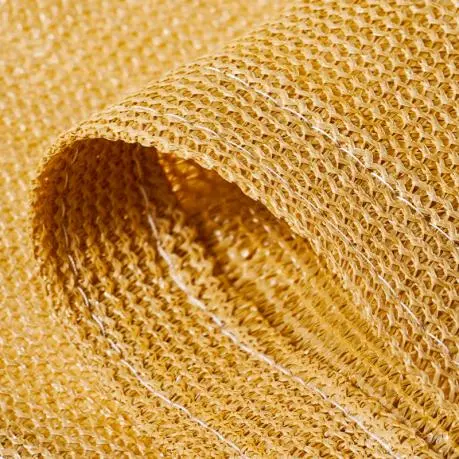
Material Composition: High-density polyethylene (HDPE) with UV stabilization
Weight & Thickness: 50–300 g/m² depending on application
Shade Rate: 30%–90% adjustable based on crop type or usage
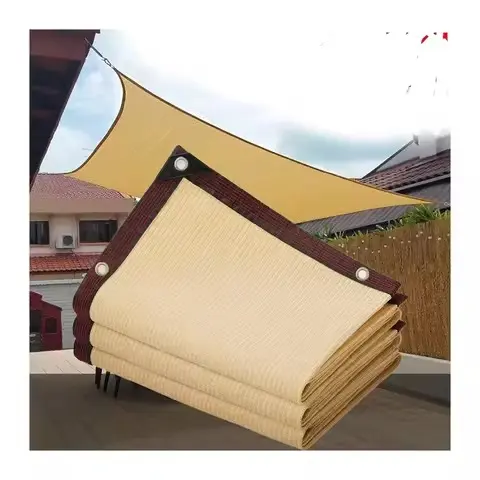
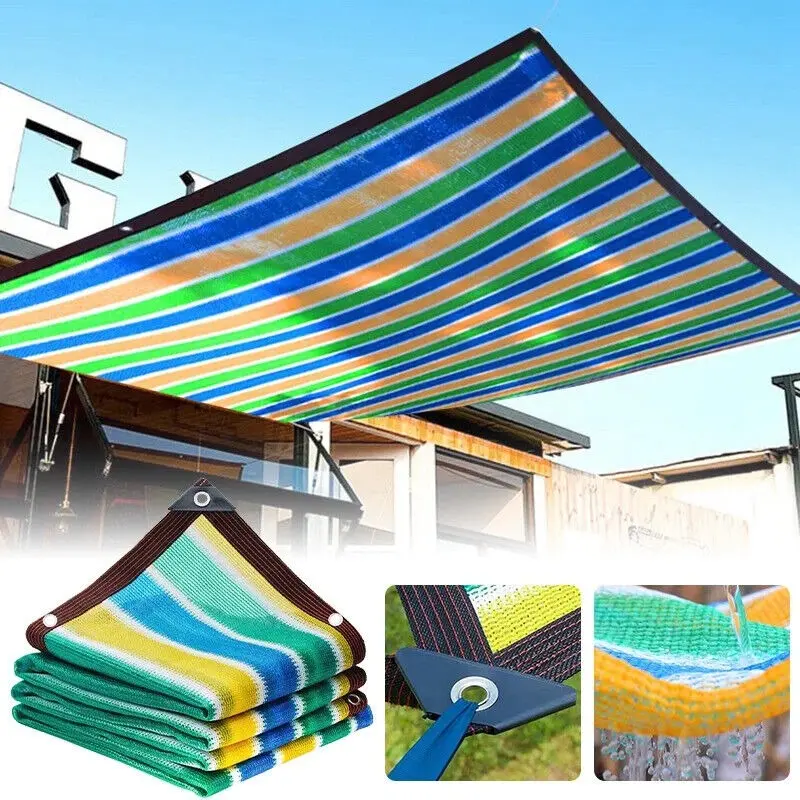
Color Options: Green, black, white, red, or custom combinations
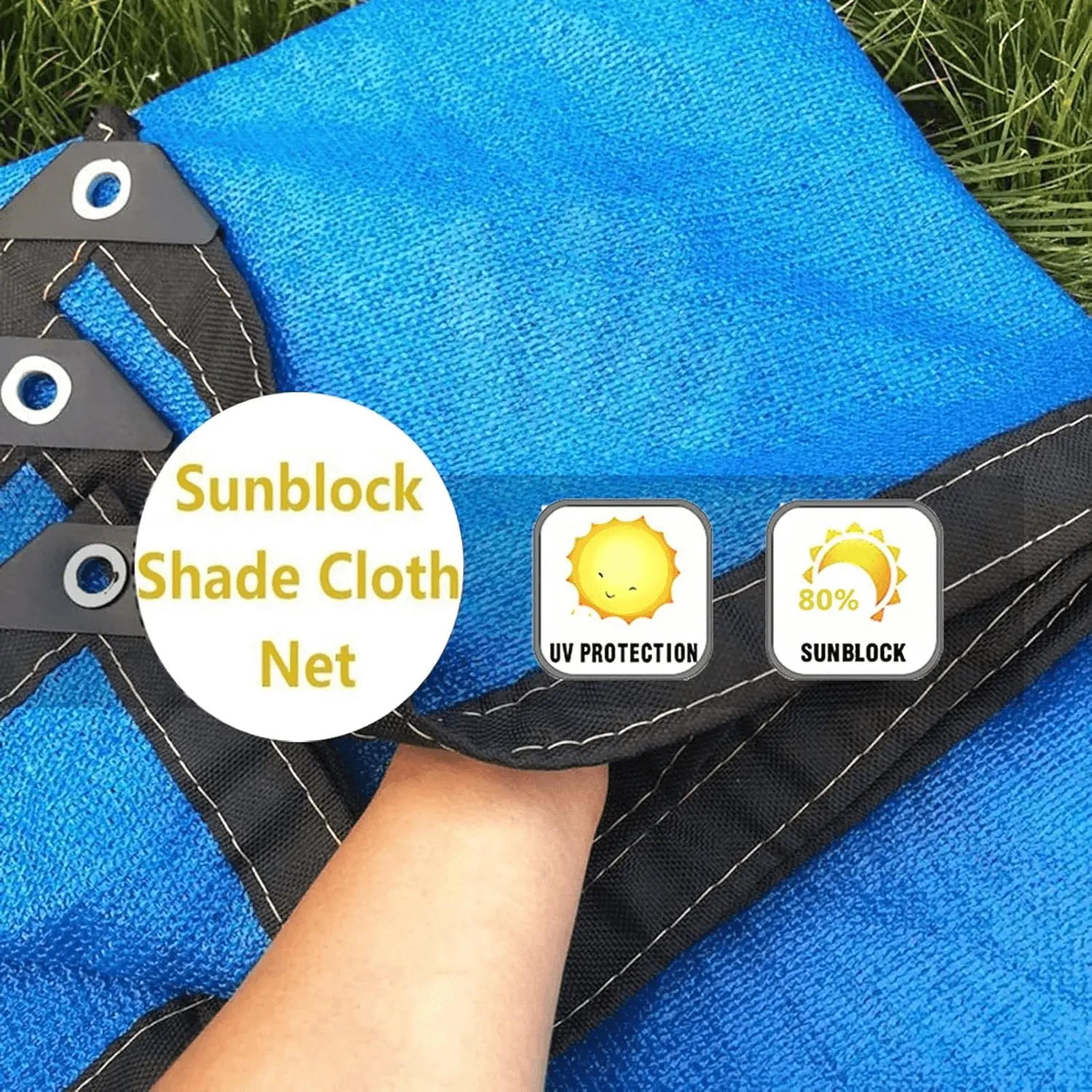
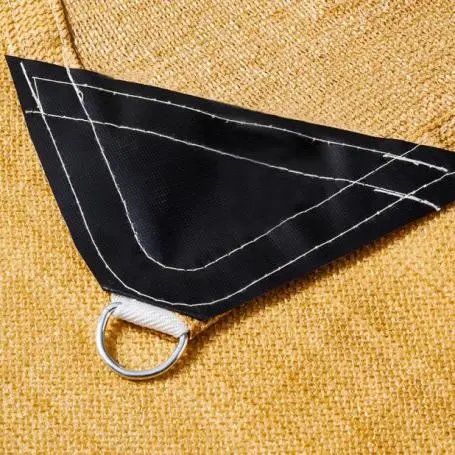
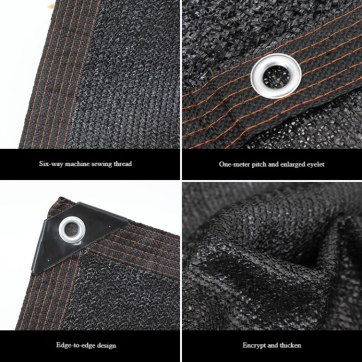
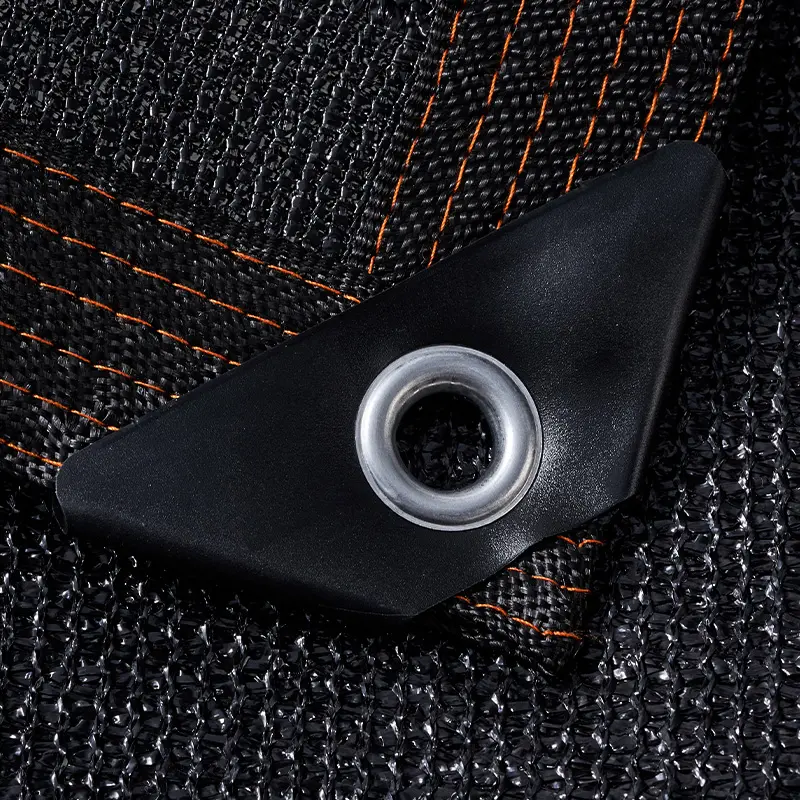
Edge Design: Reinforced with lock-stitching and corner grommets for durability
Data Insight: Research shows that green and black shade nets reduce heat by 25–35%, improving crop growth while maintaining airflow. White and reflective nets offer moderate light diffusion for sensitive plants.
Choosing Shade Net Color for Specific Applications
Green Shade Nets
Ideal for general greenhouse crops, nurseries, and landscaping
Reduces sunlight intensity while maintaining natural appearance
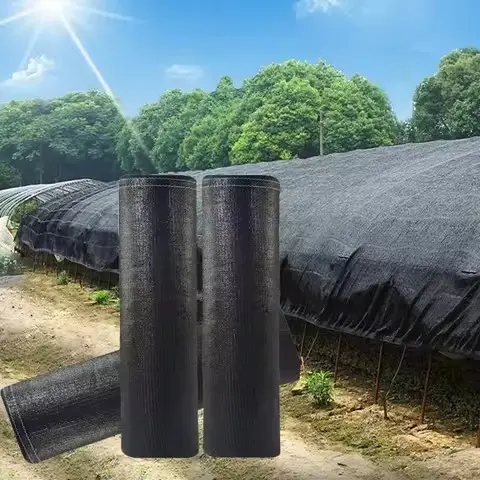
Black Shade Nets
Provides stronger shading for high-temperature areas
Common in construction sites and outdoor storage areas
White Shade Nets
Suitable for delicate seedlings and horticultural crops requiring diffuse light
Reflects excess sunlight, preventing leaf burn
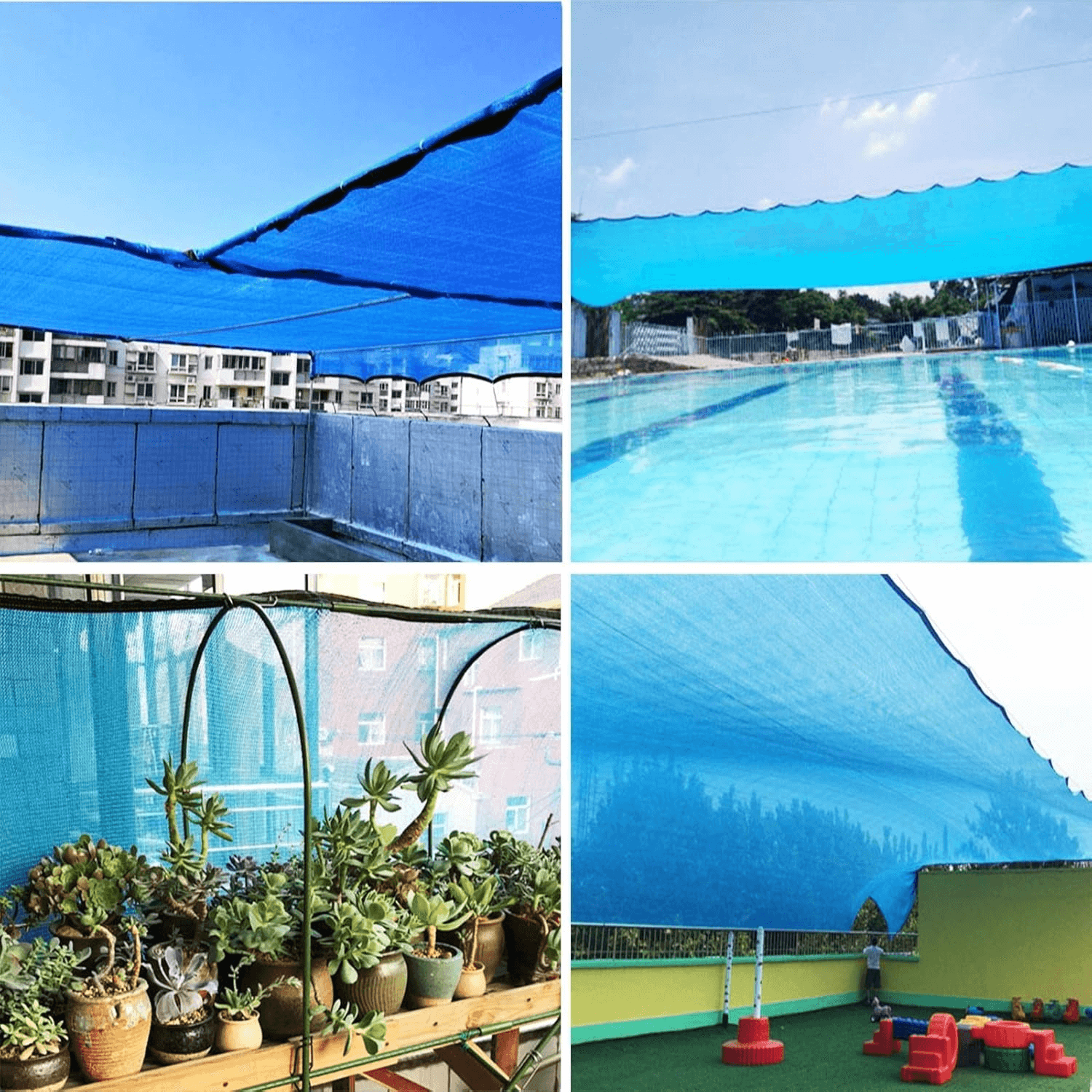
Red & Blue Nets
Enhances flowering or fruiting stages for specific crops
Used in specialized horticultural projects
Applications Across Industries
Greenhouse Growers & Agricultural Cooperatives: Protect plants from heat, maintain humidity, and improve photosynthesis efficiency
Nurseries & Landscaping Companies: Provide shade for saplings, decorative plants, and outdoor gardens
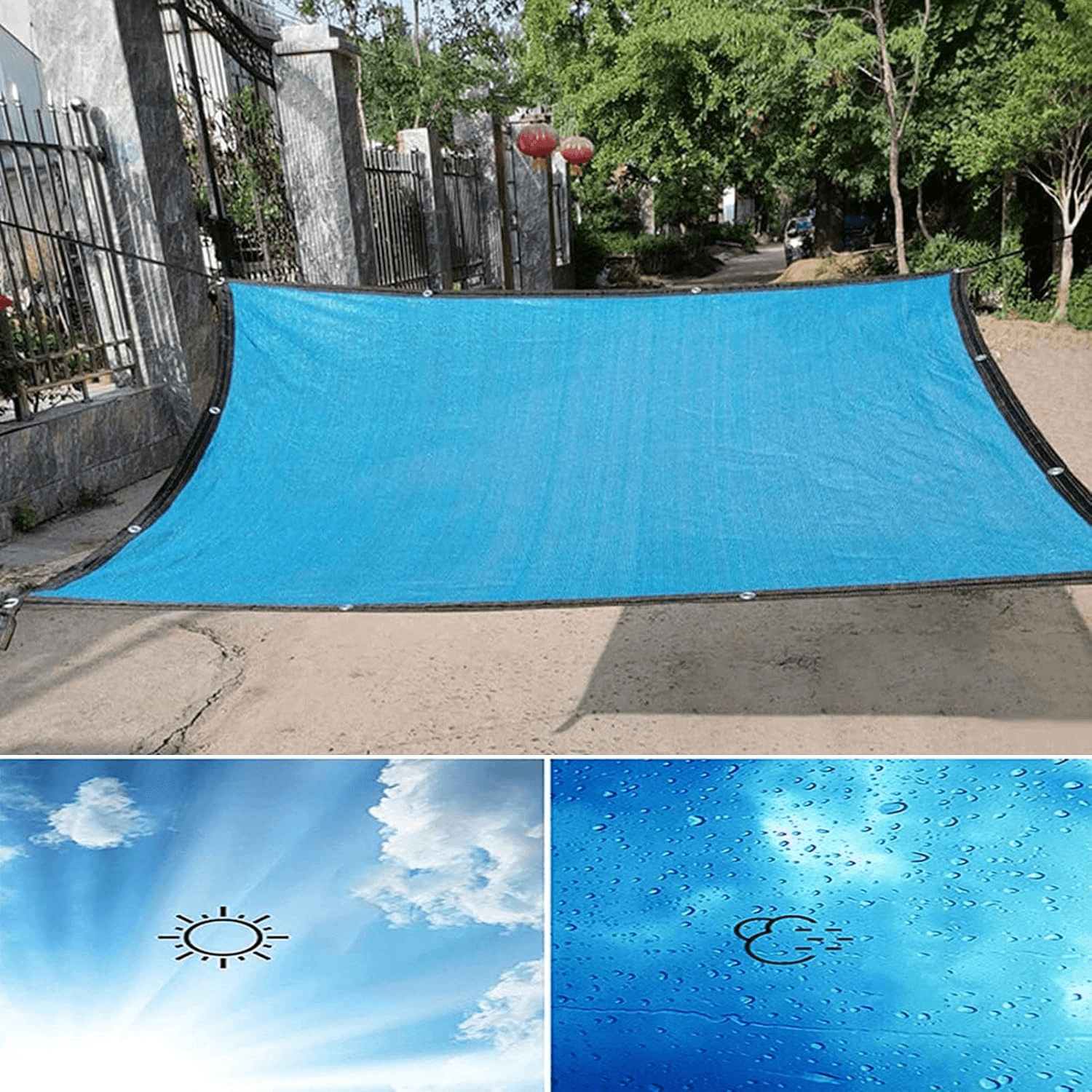
Construction Contractors: Reduce heat for workers and materials on-site
Government Agricultural Projects: Enhance crop yield and protect public farming initiatives
Horticultural Supply Distributors: Offer multi-color shade nets to cater to various client needs
Benefits of Selecting the Right Shade Net Color
Optimized Light Control: Ensures crops or plants receive appropriate sunlight levels
Energy Efficiency: Reduces water evaporation and soil overheating
Durability & Longevity: UV-stabilized nets last up to 5–8 years outdoors
Versatility: Can be used in greenhouses, gardens, farms, construction, and outdoor events
Choosing the correct color shade net is more than an aesthetic decision. By aligning the net color with plant type, climate conditions, and site requirements, B2B buyers can achieve enhanced crop performance, safe working conditions, and long-term durability. Green, black, white, or specialty colors each serve unique purposes, making shade nets a versatile investment for agriculture, horticulture, and construction industries.
FAQ
Q1: What shade net color is best for vegetable crops?
A1: Green or white nets are generally preferred for vegetables, providing balanced light and temperature control.
Q2: How long do shade nets last outdoors?
A2: High-quality UV-stabilized polyethylene nets last 5–8 years depending on usage and maintenance.
Q3: Can shade nets be used on construction sites?
A3: Yes, black and green nets are commonly used to reduce heat, wind, and dust.
Q4: Are multi-color shade nets available for horticulture?
A4: Yes, red and blue nets can enhance flowering or fruiting, while custom combinations cater to specific crops.