
 +86 19005411400+86 15006803065







0102030405
What Is a Clear Tarp Used For? Industrial-Grade Protection Across Every Sector
2025-10-14
In industrial operations, construction projects, and logistics environments, protection from rain, dust, and harsh weather is more than just convenience—it’s essential for safety, efficiency, and material preservation. Among various protective coverings, clear tarps stand out as a durable, transparent, and versatile solution. These tarps are widely used across industries to shield assets, maintain visibility, and ensure smooth operation in unpredictable outdoor or semi-open conditions.
This article explains what clear tarps are used for, their key parameters, and how they support different industrial and commercial applications.
Understanding Clear Tarps: Structure and Material Composition
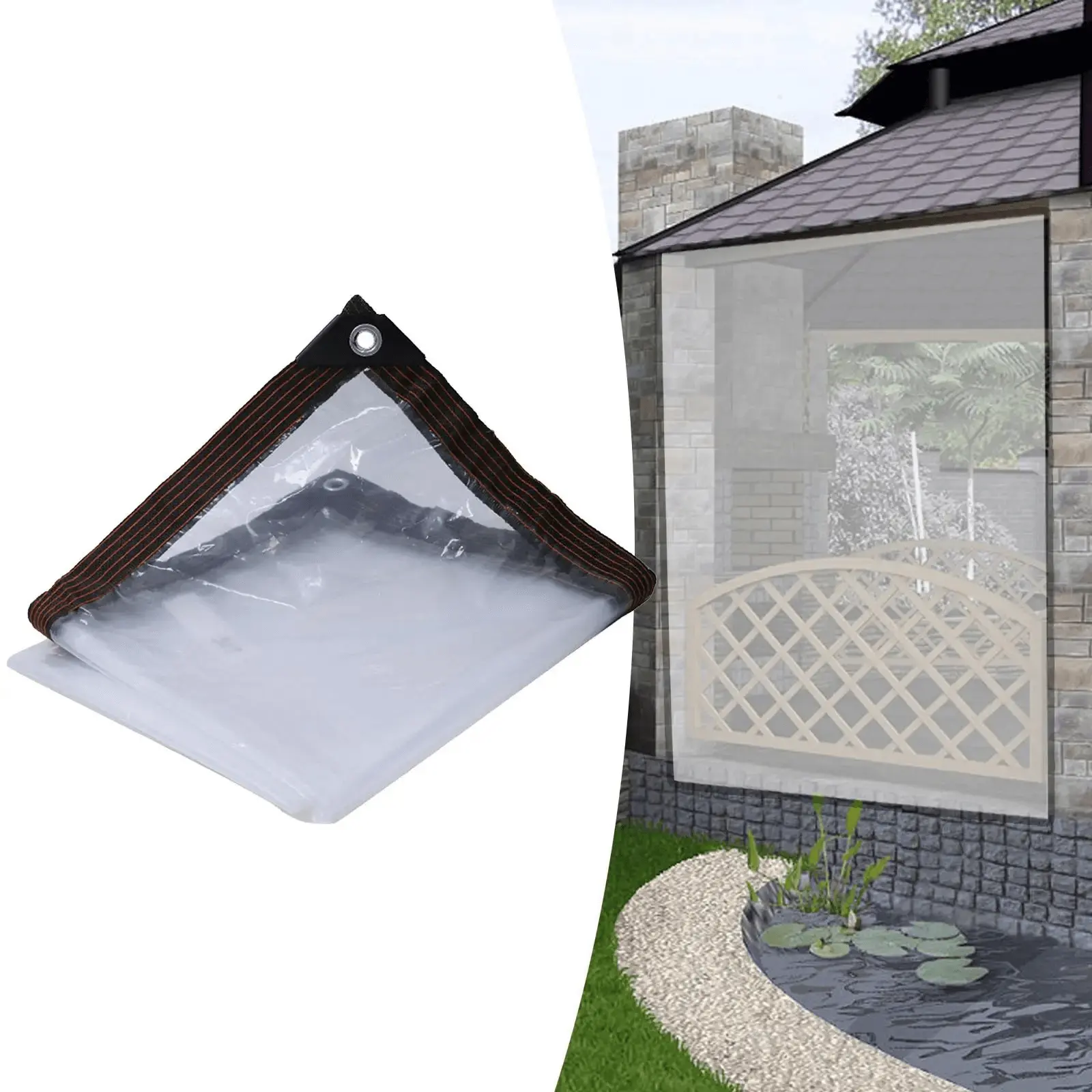
A clear tarp is a transparent waterproof sheet typically made from polyethylene (PE) or polyvinyl chloride (PVC). It combines weatherproof protection with light transmission, allowing users to safeguard materials while maintaining visibility—making it an ideal choice for both temporary and long-term use.
Core Specifications and Parameters
When selecting clear tarpaulins for industrial purposes, the following technical parameters define their quality and performance:
Material Type:
PE (Polyethylene) – lightweight, waterproof, UV-stabilized, suitable for general outdoor use.
PVC (Polyvinyl Chloride) – heavier and more durable, excellent for long-term or heavy-duty coverage.
Thickness Range:
Available from 0.12mm to 0.5mm, depending on required strength and flexibility.
Transparency Level:
80–95% light transmission, maintaining visibility for covered goods or structures.
Reinforcement:
Double-layered edges with heat-sealed seams or nylon rope reinforcement for tear resistance.
Temperature Resistance:
Withstands -20°C to +70°C, suitable for both tropical and cold conditions.
UV and Fire Retardant Options:
Available with UV inhibitors and fire-retardant coatings for outdoor and safety-critical applications.
Sizes and Customization:
Standard widths range from 2m to 10m, with customizable lengths and eyelet spacing for industrial use.
Applications Across Key Industrial Sectors
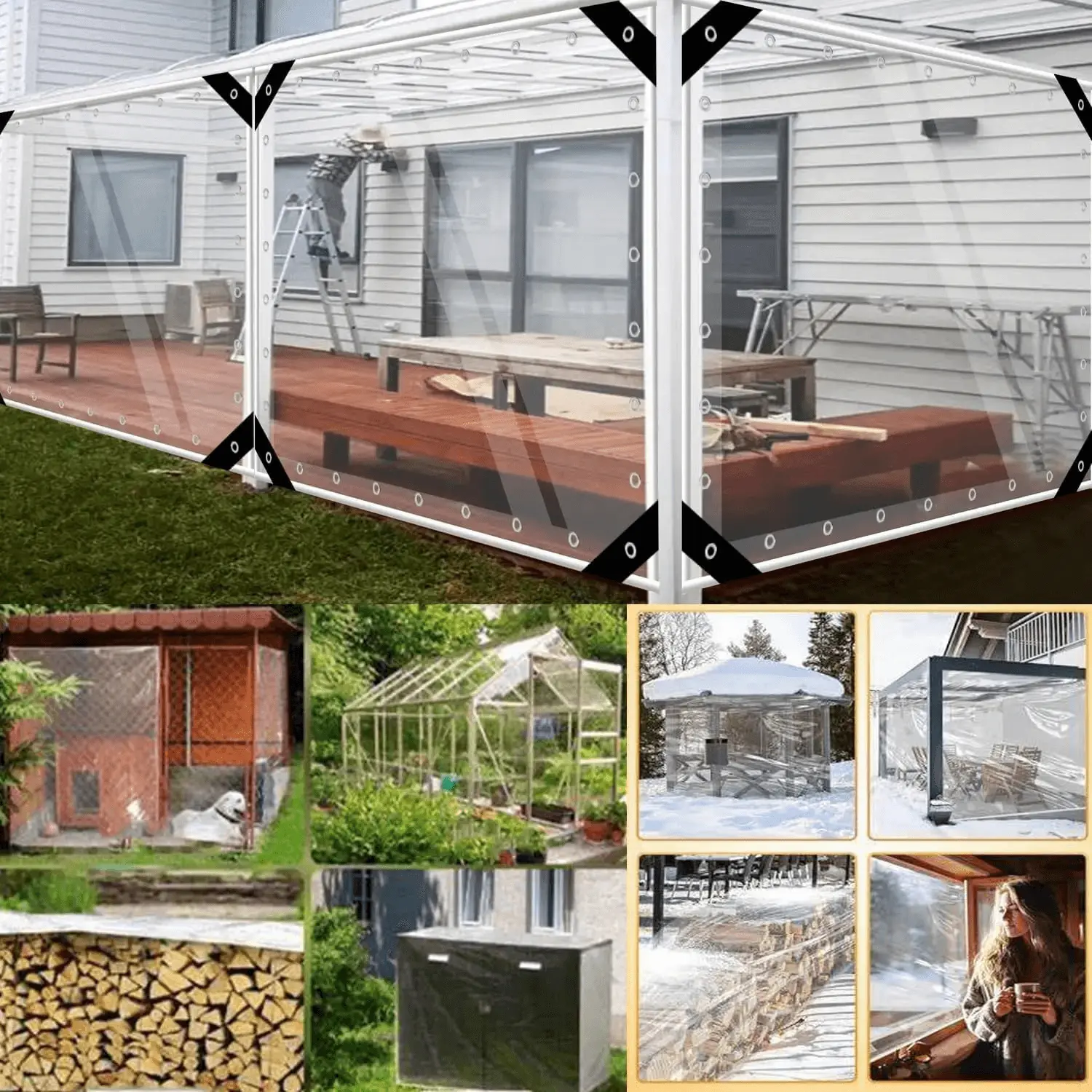
Clear tarps are highly adaptable and widely used across various industries. Below are common application scenarios:
1. Logistics and Transportation Companies
Cover cargo loads on trucks, trailers, and containers while maintaining visibility for inspection.
Protect goods from rain, dust, and UV exposure during transit or storage.
Serve as temporary partitions or transparent curtains in loading bays and warehouses.
2. Construction Firms
Used as protective covers for scaffolding, building materials, and machinery.
Create transparent barriers that block dust and debris while allowing light into the workspace.
Ideal for temporary roofing, enclosures, and ground moisture protection during site work.
3. Factories and Industrial Storage Sites
Protect raw materials, equipment, and tools from moisture or contamination.
Serve as temporary warehouse dividers or machine covers in semi-open environments.
Transparent feature allows easy inspection without removing the cover.
4. Ports and Mining Operations
Used to shield bulk materials and machinery exposed to sea spray, dust, or wind.
Create transparent enclosures that prevent contamination while enabling visibility for supervision.
Extend asset life and reduce maintenance frequency in harsh outdoor conditions.
5. Disaster Relief and Emergency Agencies
Quick-deploy shelters and covers for emergency supplies or relief zones.
Transparent surface allows natural lighting—ideal for medical tents and field stations.
Lightweight, waterproof, and easy to transport during urgent deployments.
6. Tent and Awning Manufacturers
Used as side panels or transparent roofing in event tents, greenhouses, and awnings.
Combines aesthetic clarity with functional protection.
Easily weldable or sewn into existing fabric structures for custom solutions.

Key Advantages of Using Clear Tarps
Industrial buyers choose clear tarps for their combination of visibility, strength, and practicality. Here are the main advantages:
Weatherproof and Waterproof Protection:
Prevents rain, dust, and dirt from affecting materials, vehicles, and structures.
High Transparency:
Allows natural light transmission, reducing the need for artificial lighting in covered areas.
Durable and Tear-Resistant:
Reinforced edges and heavy-duty materials ensure long-term performance in industrial environments.
Customizable Solutions:
Available in various thicknesses, dimensions, and reinforced designs to suit different industries.
Flexible and Reusable:
Lightweight, easy to install and remove, ideal for both permanent and temporary use.
Cost-Efficient:
Minimizes maintenance costs and reduces material loss due to environmental damage.
How to Select the Right Clear Tarp for Your Business
Selecting the right tarp involves balancing environmental conditions, project requirements, and cost. Here’s a step-by-step guide:
Define the Application:
Determine whether the tarp will be used for covering goods, roofing, partitioning, or shelter.
Check the Material Type:
Choose PE for light-duty, flexible applications; select PVC for heavy-duty, long-term installations.
Consider Weather and UV Exposure:
For tropical or outdoor use, select UV-treated or fire-retardant tarps.
Size and Fitting Requirements:
Measure the area accurately and ensure reinforced edges or eyelets match installation points.
Evaluate Lifespan and Maintenance Needs:
A thicker, UV-stabilized tarp will last longer and offer better value in industrial settings.
Partner with Reliable Manufacturers:
Choose suppliers offering consistent quality control, customization, and technical support.
Clear tarps are more than transparent sheets—they are industrial-grade protection tools that safeguard equipment, goods, and workers while ensuring visibility and efficiency. From construction firms to logistics hubs, their versatility makes them an essential part of modern industrial operations. By understanding the specifications, applications, and benefits, businesses can select the right tarp solution to enhance productivity, safety, and asset longevity.
FAQ
- What is a clear tarp used for?
Clear tarps are used to cover and protect materials, equipment, and structures while maintaining visibility. They’re widely applied in logistics, construction, warehouses, and outdoor industrial operations.
- Are clear tarps completely waterproof?
Yes. High-quality PE or PVC clear tarps are 100% waterproof and resistant to rain, dust, and wind, making them ideal for outdoor applications.
- How long can clear tarps last outdoors?
Depending on material quality and UV treatment, clear tarps can last 3–6 years under continuous outdoor exposure.
- Can clear tarps be customized for industrial projects?
Absolutely. Manufacturers offer custom dimensions, eyelet spacing, reinforced edges, and optional UV/fire-retardant coatings to match project-specific needs.