
 +86 19005411400+86 15006803065


0102030405
Understanding Sunshade Net Shade Rate: How to Choose the Perfect Level for Your Needs
2026-01-21
Understanding Sunshade Net Shade Rate: How to Choose the Perfect Level for Your Needs
When it comes to selecting a sunshade net, one of the most important specifications to consider is the shade rate—also known as the shading percentage. The shade rate refers to the percentage of sunlight that is blocked by the net, ranging from 30% to 95% for most commercial sunshade nets. This seemingly simple number has a profound impact on the performance of the sunshade net, influencing everything from crop growth and livestock comfort to outdoor temperature regulation and energy efficiency. Choosing the right shade rate is not a one-size-fits-all decision; it requires careful consideration of the intended use, the type of plants or activities being protected, and the local climate. In this comprehensive guide, we break down everything you need to know about sunshade net shade rates, including how they are measured, the effects of different rates, and how to select the ideal shade rate for your specific application.
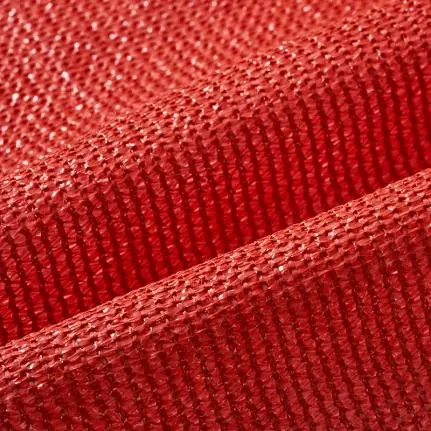
First, it is essential to understand how sunshade net shade rates are calculated and measured. The shade rate is determined by the density of the net’s mesh structure—the tighter the weave, the higher the percentage of sunlight blocked. Manufacturers typically measure shade rates using specialized equipment that simulates natural sunlight and calculates the amount of light transmitted through the net. This measurement is conducted under controlled conditions to ensure accuracy, and reputable manufacturers provide certified shade rate specifications for their products. It is important to note that shade rate is not the same as light diffusion. While shade rate measures the amount of light blocked, light diffusion refers to how the net scatters the light that passes through, creating a softer, more uniform lighting environment. Both factors are important, but shade rate is the primary specification used to determine the net’s ability to reduce sunlight intensity.
Different shade rates have distinct effects on the environment beneath the net, including temperature regulation, light intensity, and moisture retention. Let’s explore the most common shade rates and their typical applications:
Low shade rates (30%-50%) are ideal for applications where partial shading is needed, allowing a significant amount of sunlight to pass through. These nets are commonly used for young seedlings, cuttings, and plants that require high levels of sunlight for photosynthesis but need protection from the harshest midday sun. For example, vegetables such as tomatoes, peppers, and cucumbers often benefit from 30%-40% shade rates during their early growth stages, as it prevents sunscald and wilting without inhibiting growth. Low shade rates are also suitable for outdoor spaces such as patios, decks, and playgrounds where some sunlight is desired for warmth and visibility, but excessive sun exposure needs to be reduced. Additionally, these nets can be used for livestock shelters, providing partial shade for animals while allowing adequate ventilation and natural light.
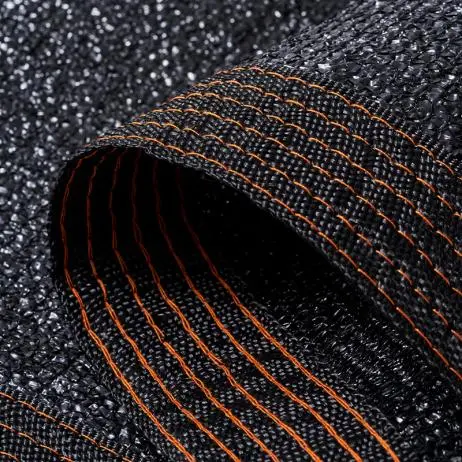
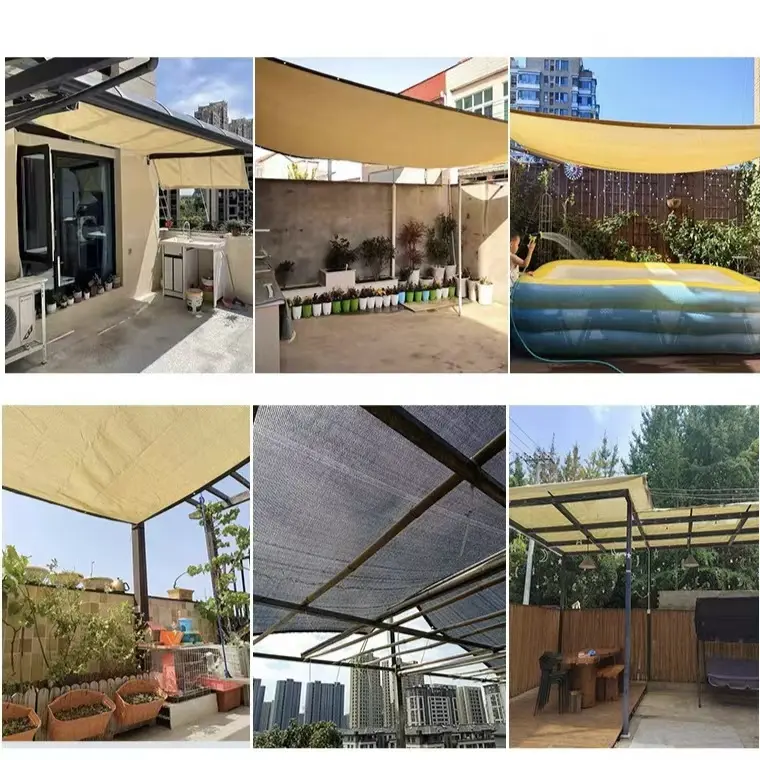
Medium shade rates (50%-70%) are the most versatile, suitable for a wide range of applications. This range provides a balance between sunlight blockage and light transmission, making it ideal for mature plants that require moderate shading, such as leafy greens, herbs, and flowering plants. For example, lettuce, spinach, and kale thrive under 50%-60% shade rates, as it protects their delicate leaves from sun damage while providing enough light for healthy growth. Medium shade rates are also commonly used in greenhouses, where they help regulate internal temperatures, reduce the risk of overheating, and prevent sunburn on plants. In commercial and residential settings, 60%-70% shade nets are popular for pergolas, carports, and outdoor seating areas, as they create a comfortable shaded environment without making the space too dark. They also offer energy-saving benefits for buildings, reducing the amount of heat that enters through windows and roofs, thereby lowering air conditioning costs.
High shade rates (70%-95%) are designed for applications that require maximum sunlight blockage. These nets are ideal for plants that are sensitive to sunlight, such as tropical plants, ferns, and some ornamental plants, which thrive in low-light conditions. They are also used for protecting crops during extreme heatwaves, when even mature plants are at risk of sun damage. In agricultural settings, high shade rates are often used for nurseries, where young plants and cuttings need intense protection from sunlight. Additionally, 80%-95% shade nets are suitable for outdoor spaces that require complete shading, such as storage areas, construction sites, and livestock barns, where animals need to be protected from extreme heat. In some cases, high shade rates are used in combination with other cooling systems to create a more comfortable environment.
When selecting a shade rate, it is also important to consider the local climate. In regions with intense sunlight and high temperatures, such as deserts or tropical areas, higher shade rates may be necessary to provide adequate protection. Conversely, in regions with milder climates or shorter growing seasons, lower shade rates may be sufficient, allowing more sunlight to reach plants and promote growth. For example, in northern Europe, where sunlight intensity is lower, a 40%-50% shade rate may be suitable for most agricultural applications, while in the Middle East, a 70%-80% shade rate may be required to protect crops from extreme heat.
Another factor to consider is the time of year. During the summer months, when sunlight is most intense, higher shade rates may be needed to prevent overheating and sun damage. In contrast, during the spring and fall, when sunlight is less intense, lower shade rates can be used to maximize light transmission and promote plant growth. Some users opt for adjustable sunshade nets, which allow them to change the shade rate based on the season or time of day, providing greater flexibility.
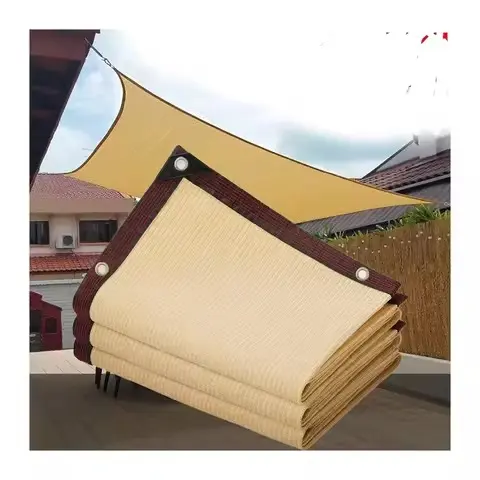
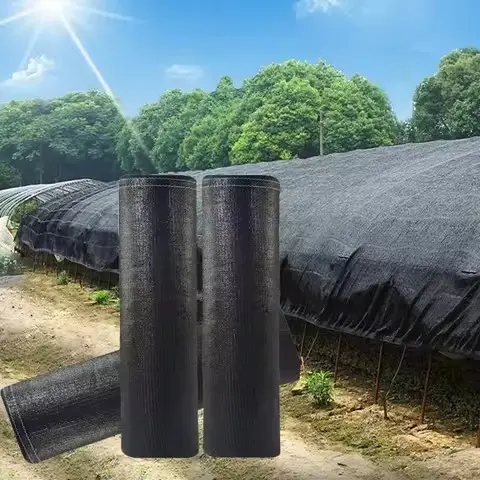
It is also important to note that the color of the sunshade net can affect the effectiveness of the shade rate. Darker colors, such as black or green, absorb more sunlight, providing better shading and heat reduction. Lighter colors, such as white or beige, reflect more sunlight, which can help keep the area beneath the net cooler but may transmit more light. However, the shade rate is the primary factor determining the amount of sunlight blocked, regardless of color. Our sunshade nets are available in a range of colors and shade rates, allowing customers to choose the perfect combination for their needs.
In addition to plant and outdoor space protection, shade rate also plays a role in energy efficiency. By blocking sunlight, sunshade nets reduce the amount of heat that enters buildings, greenhouses, and other structures. This can lead to significant energy savings, as air conditioning systems do not have to work as hard to maintain comfortable temperatures. Studies have shown that using sunshade nets with a 60%-70% shade rate can reduce indoor temperatures by 5-10 degrees Celsius, resulting in a 15%-30% reduction in cooling costs. For commercial buildings and greenhouses, this can translate to substantial savings over time.
When purchasing a sunshade net, it is crucial to choose a product with a certified shade rate. Some low-quality manufacturers may mislabel their products, claiming a higher shade rate than they actually provide. This can lead to inadequate protection and disappointment. Our sunshade nets undergo rigorous testing to ensure their shade rate is accurate and consistent. Each product is labeled with a certified shade rate, so customers can trust that they are getting the level of protection they need.
To help you select the right shade rate, here is a quick reference guide based on common applications:
- Seedlings and cuttings: 30%-40% shade rate (partial protection, maximum light for growth)
- Tomatoes, peppers, cucumbers: 40%-50% shade rate (prevents sunscald, maintains growth)
- Leafy greens, herbs: 50%-60% shade rate (protects delicate leaves, balanced light)
- Tropical plants, ferns: 70%-80% shade rate (low-light conditions, maximum protection)
- Patios, decks, outdoor seating: 50%-70% shade rate (comfortable shading, natural light)
- Greenhouses, nurseries: 60%-80% shade rate (temperature regulation, plant protection)
- Livestock shelters: 40%-60% shade rate (partial shade, ventilation)
- Storage areas, construction sites: 80%-95% shade rate (maximum sun blockage)
In conclusion, the shade rate is a critical factor in selecting a sunshade net, as it directly impacts the level of protection, temperature regulation, and light transmission. By understanding the different shade rates and their applications, considering the local climate and intended use, and choosing a certified product, you can select the perfect sunshade net for your needs. Our range of sunshade nets offers a variety of shade rates, from 30% to 95%, ensuring that we have a solution for every application. Whether you are protecting crops, creating a comfortable outdoor space, or improving energy efficiency, our sunshade nets provide reliable, consistent shading performance.
Frequently Asked Questions(FAQ)
Q1:Could you offer me the most favorable price based on the quantity of our order?
Sure. We are a leading manufacturer. Generally, we provide customers with the most favorable factory prices of our products.
Q2:How long will the delivery take?
Generally, it will be dispatched within 3 days after you pay the full amount.
Q3:Where is your factory located?
Factory (Shandong Binzhou Maosheng Chemical Fibre Co., Ltd.): Jianglou Town, Huimin County, Binzhou City, Shandong Province
Welcome all customers to visit.
Q4:What should the shading rate be - 50%, 70% or 90%? Is the higher the better, meaning the stronger the shading, the cooler it will be?
The higher the shading rate, the weaker the light inside the shed. This makes the crops grow excessively and leads to reduced yields. For leafy vegetables during the hot season, a rate of 60-80% can be used; for fruit vegetables, flowers, and tea gardens, a rate of 40-60% is appropriate. In the south, when the temperature is extremely high, a 90% shading rate can be used, but it must be combined with ventilation.