 +86 19005411400+86 15006803065


0102030405
Shade Netting: Commercial vs Agricultural Uses & Differences
2025-10-27
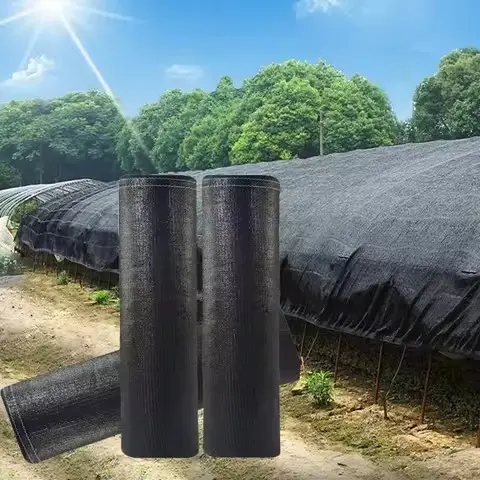
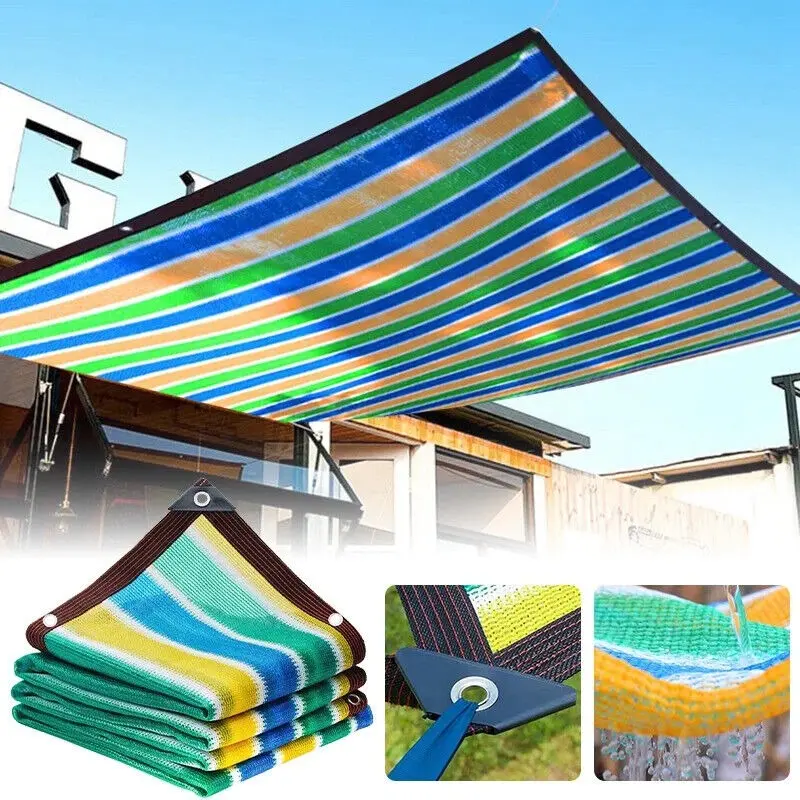
In modern agriculture, landscaping, and construction, shade netting has become an essential solution for controlling sunlight, reducing heat stress, and improving working and growing conditions. B2B buyers often ask: What is the difference between shade cloth and shade netting? Understanding the unique characteristics of shade nets helps businesses make informed decisions for long-term investments.
Technical Specifications of Shade Netting
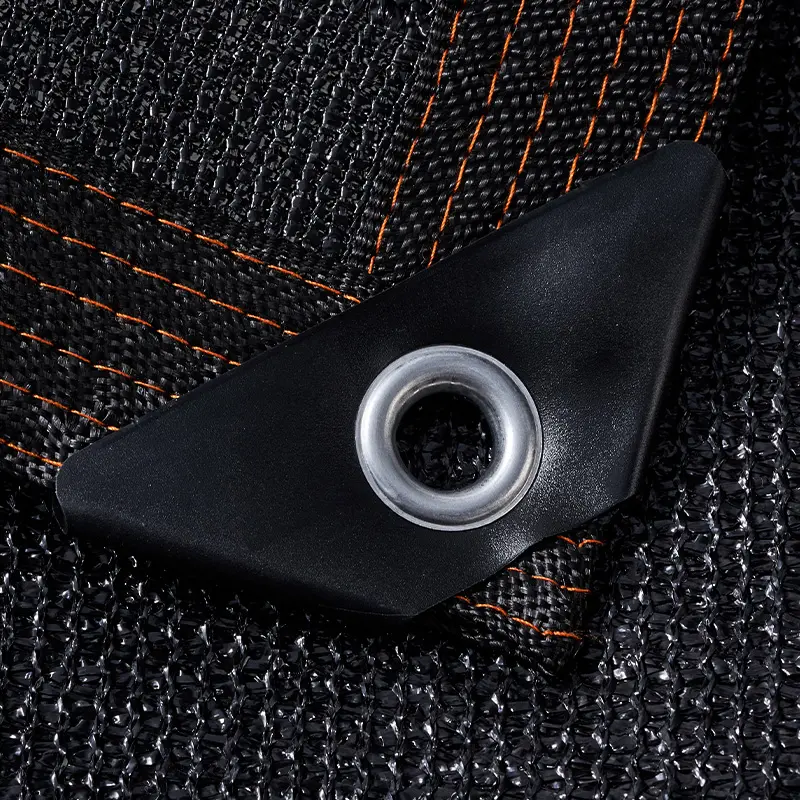
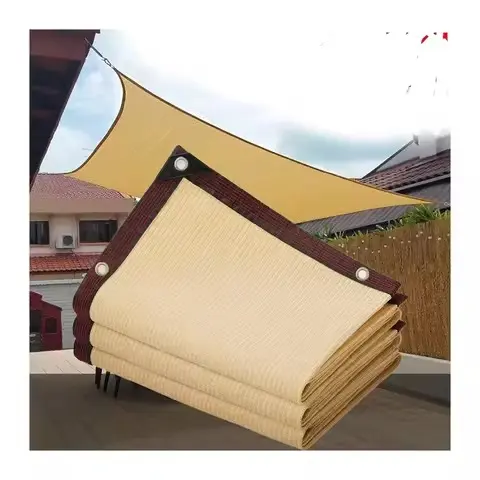
Material: Typically made from high-density polyethylene (HDPE), UV-stabilized for prolonged outdoor performanceShade Factor: Available in 20% to 80% shading, allowing precise light control for plants and work areasWeight & Structure: Lightweight knitted or extruded mesh, flexible for various installationsDurability: Can last 3–8 years outdoors, depending on exposure, installation, and maintenanceAirflow: Open mesh design allows heat dissipation, preventing excessive temperature rise under intense sunlightData Insight: Field studies show that shade netting can reduce greenhouse temperatures by 3–5°C, lower water loss by 15–20%, and prevent sunburn in sensitive crops, improving overall plant health and growth rates.
Differences Between Shade Netting and Shade Cloth
Shade Netting:Open, breathable meshFlexible installation for nurseries, gardens, and construction sitesModerate shading, typically 20–80%Easier to reposition or reuseShade Cloth:Woven, tighter structureProvides higher UV protection, typically 50–90%Heavier and more rigidLonger lifespan, but less airflow
Shade netting is ideal where air circulation and flexible coverage are priorities, while shade cloth is preferred for maximum UV protection and permanent installations.
Applications Across Industries
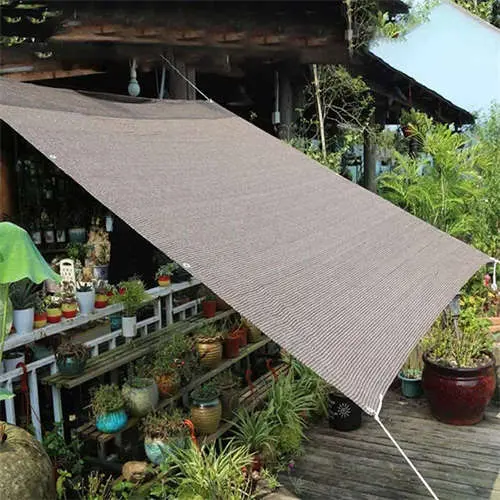
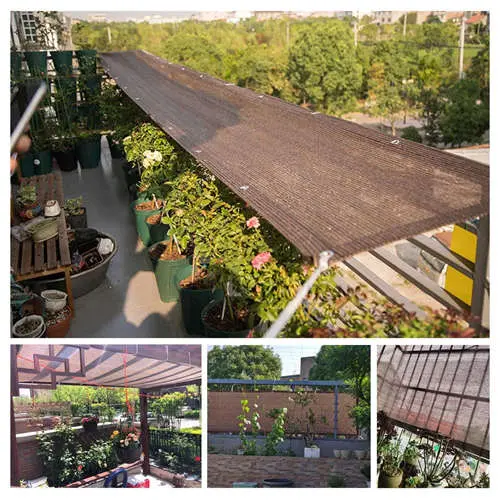
Greenhouse Growers: Protect seedlings and crops from heat stress while maintaining ventilationNurseries and Landscaping Companies: Reduce sun damage on young plants, shrubs, and ornamental greeneryConstruction and Infrastructure Contractors: Shield workers, machinery, and materials from harsh sunlightGovernment Agricultural Projects: Cover large public farms, seedling beds, and community gardens efficientlyHorticultural Supply Distributors: Provide versatile shading solutions suitable for multiple client needsCase Example: A nursery installing 50% shade netting over young ornamental trees reported 20% higher survival rates during peak sunlight months compared to unshaded areas.
Advantages of Shade Netting for B2B Buyers
Temperature Control: Reduces heat and creates a more stable microclimate for plants and workersFlexibility: Easily cut, tied, or suspended to suit irregular spaces or temporary projectsCost-Efficiency: Lower material and installation costs compared to heavy shade clothUV Protection: Protects crops, seedlings, and materials from sunburn and degradationLightweight & Reusable: Easy to transport, store, and reinstall across multiple sites
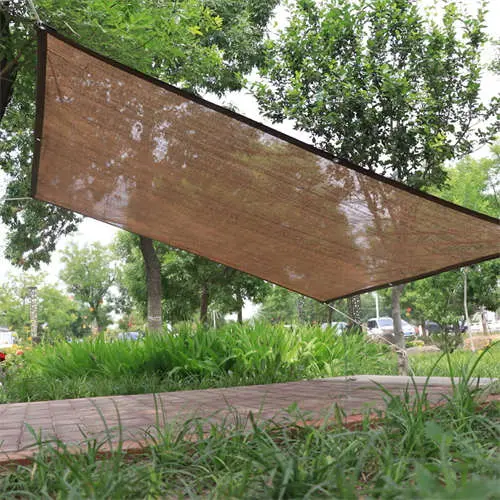
Best Practices for Installation and Maintenance
Assess Sunlight Requirements: Choose the appropriate shade factor based on crop type or material sensitivitySecure Proper Mounting: Use poles, frames, or hooks to prevent sagging or damage during wind eventsRegular Inspection: Check for tears, UV degradation, or loose knots and repair promptlyClean Annually: Remove dust, leaves, or debris to maintain maximum light filtration and airflowConsider Layering: Combine multiple nets or pair with shade cloth for zones requiring higher protection
Shade netting is a versatile, cost-effective solution for commercial, agricultural, and construction projects. Its lightweight, breathable design ensures airflow and temperature regulation, making it ideal for nurseries, greenhouses, and temporary outdoor setups.
Choosing the right shade factor, UV-stabilized material, and proper installation method allows B2B buyers to optimize plant growth, worker safety, and material protection. Properly maintained shade nets can last 3–8 years, delivering reliable performance across various industries.
FAQ
-
How does shade netting differ from shade cloth?
Shade netting is open mesh, lightweight, and flexible with moderate shading (20–80%), while shade cloth is woven, heavier, and provides high UV protection (50–90%). -
How long does shade netting last outdoors?
Typically 3–8 years, depending on material quality, installation, and UV exposure. -
Can shade netting be used on construction sites?
Yes, it protects workers and materials from heat and UV damage while allowing airflow. -
What maintenance is required for shade nets?
Inspect for damage, clean debris annually, and repair tears or loose attachments to maintain performance.