 +86 19005411400+86 15006803065


0102030405
Shade Net Selection Guide: Which Color Offers Maximum Performance and Protection
2025-11-17
Core Specifications of High-Quality Shade Nets
Material: 100% UV-stabilized polyethylene
Weight Range: 60–350 g/m² depending on light reduction needs
Shade Coverage: 30%–90%, adjustable according to crop or site requirements
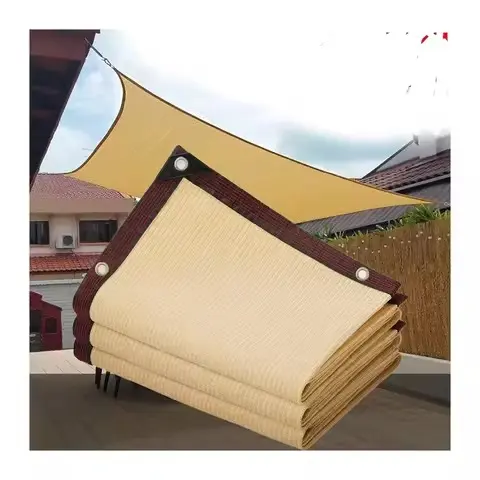
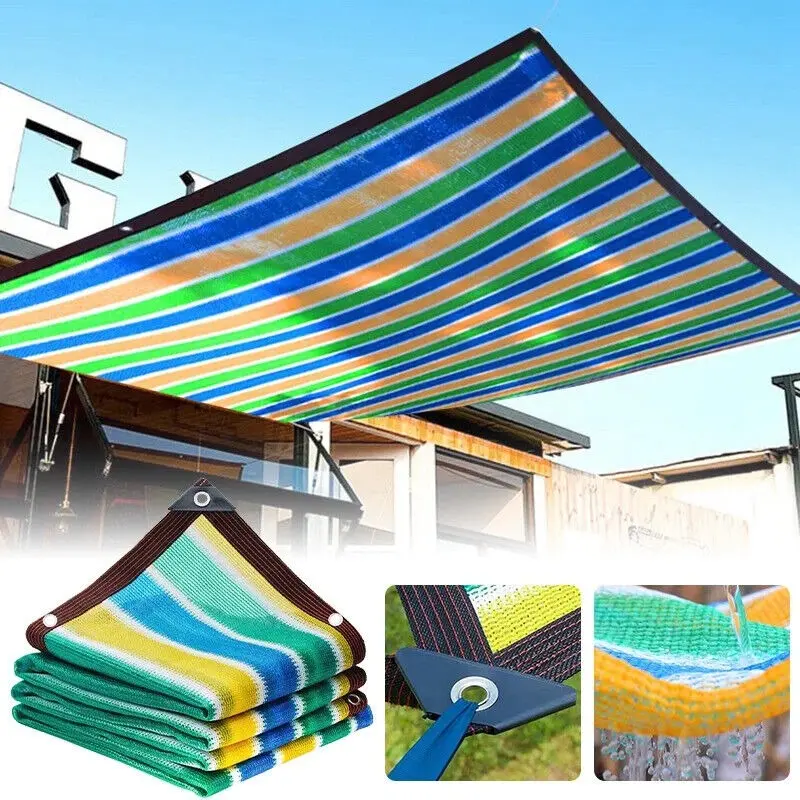
Color Options: Black, green, white, red, blue, or custom blends
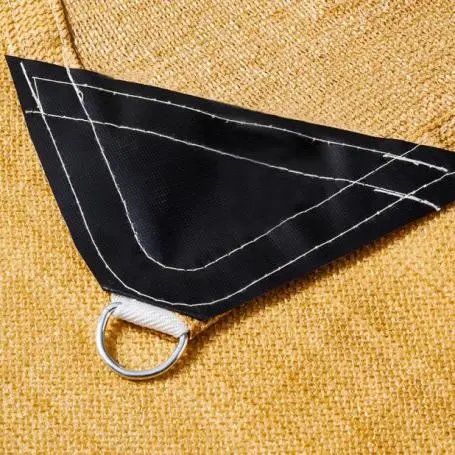
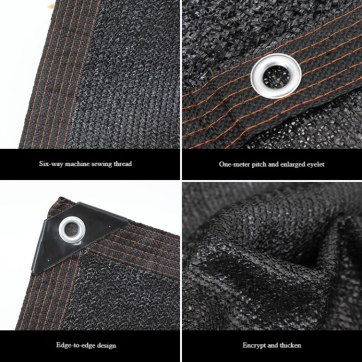
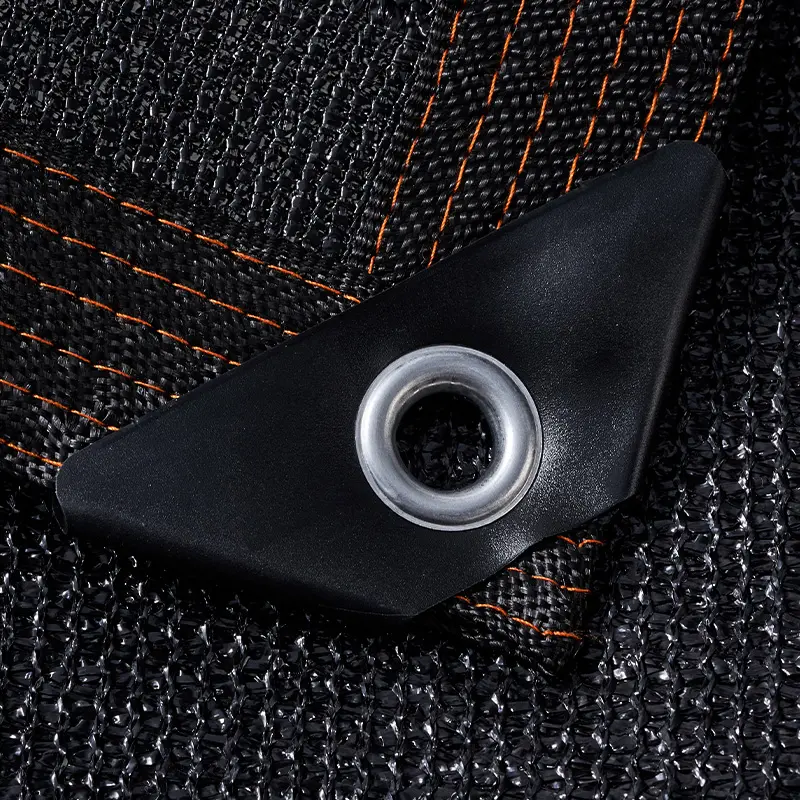
Construction Features: Reinforced edges, buttonholes, and lock-stitch corners for secure installation
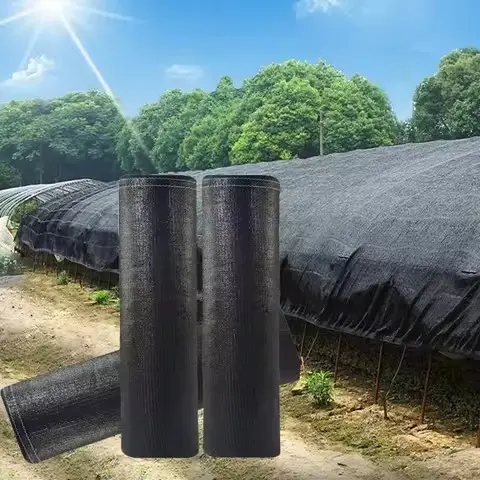
Performance Note: Data shows that black nets can block up to 90% of direct sunlight, while green nets provide 50–70% shading, offering a balance of light control and temperature regulation.
Shade Net Color Benefits by Application
Green Nets
Ideal for general horticulture and landscaping
Maintains natural light balance, reduces plant stress
Black Nets
Strong shading for high-temperature environments
Suitable for construction areas, outdoor storage, and sensitive crops
White Nets
Diffuses light, protecting seedlings and delicate flowers
Reduces the risk of leaf scorching in hot climates
Specialty Colors (Red/Blue)
Promote specific plant growth stages
Used in experimental or commercial flower and fruit cultivation
Industrial and Agricultural Applications
Greenhouse Growers: Protect seedlings, control sunlight, and optimize growth cycles
Agricultural Cooperatives: Large-scale crop shading for consistent yield
Nurseries & Landscaping: Protect ornamental plants and enhance aesthetic appeal
Construction & Infrastructure: Reduce heat, glare, and dust exposure for workers and materials
Horticultural Distributors: Offer diverse color options for client-specific applications
Why Shade Net Color Matters
Temperature Control: Reduces ambient temperature under nets by 2–5°C
Light Management: Ensures the right balance for plant photosynthesis or material protection
Longevity: UV-resistant colors prevent fading and extend service life
Versatility: Suitable for farms, greenhouses, construction sites, and outdoor events
The choice of shade net color is a strategic decision for B2B buyers. Proper selection enhances crop quality, worker comfort, and operational efficiency, while high-quality polyethylene nets provide long-lasting UV resistance and performance. Green, black, white, or specialty nets each deliver unique advantages for agriculture, landscaping, and construction projects.
FAQ
Q1: Which shade net color reduces heat most effectively?
A1: Black nets block the most sunlight and heat, ideal for high-temperature applications.
Q2: Are green shade nets suitable for nurseries?
A2: Yes, green nets offer moderate light reduction and are safe for young plants.
Q3: Can shade nets be reused after several seasons?
A3: UV-stabilized polyethylene nets can last 5–8 years with proper handling and storage.
Q4: Do specialty color nets impact plant growth?
A4: Yes, red and blue nets can enhance flowering and fruiting in certain crops.