 +86 19005411400+86 15006803065


0102030405
Shade Cloth vs. Shade Netting: A B2B Buyer's Guide
2025-10-27
In agriculture, landscaping, and construction, controlling sunlight exposure is critical for plant growth, worker comfort, and material protection. Shade materials, including shade cloth and shade netting, are widely used across Southeast Asia for greenhouses, nurseries, and outdoor project sites.
Understanding the difference between shade cloth and shade netting helps B2B buyers choose the right solution for performance, durability, and ROI.
Material Composition and Technical Parameters
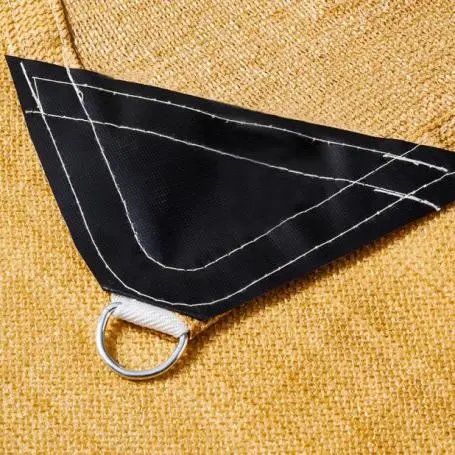
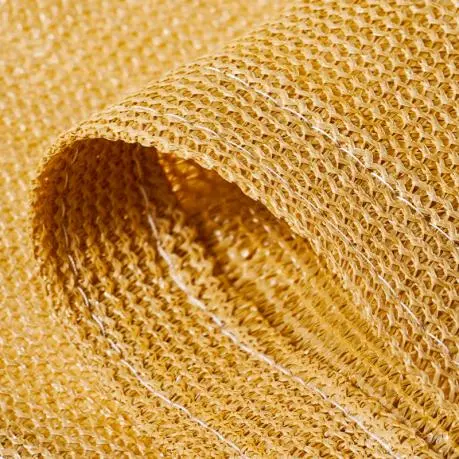
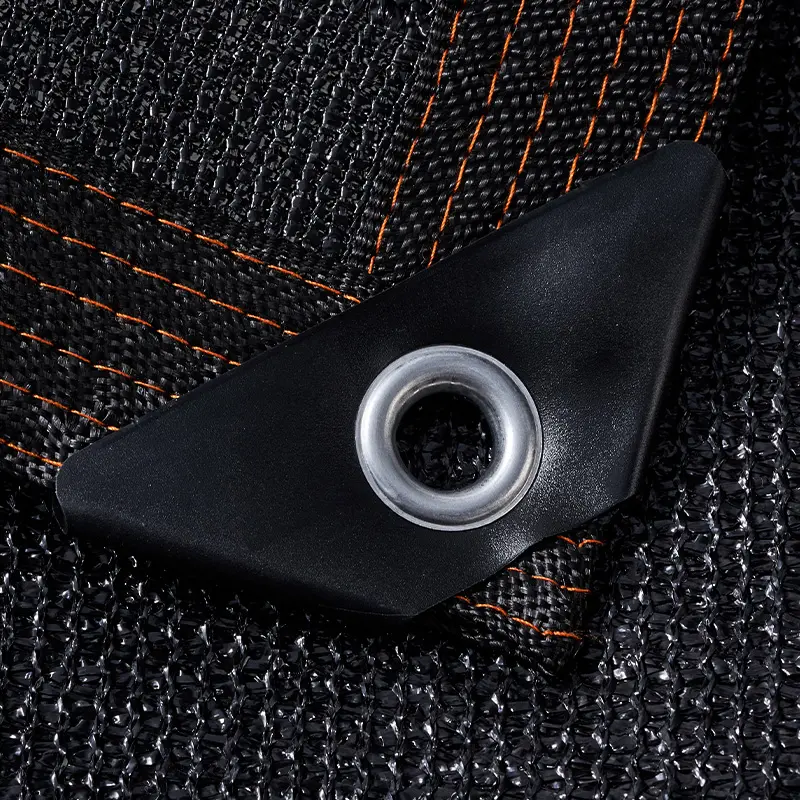
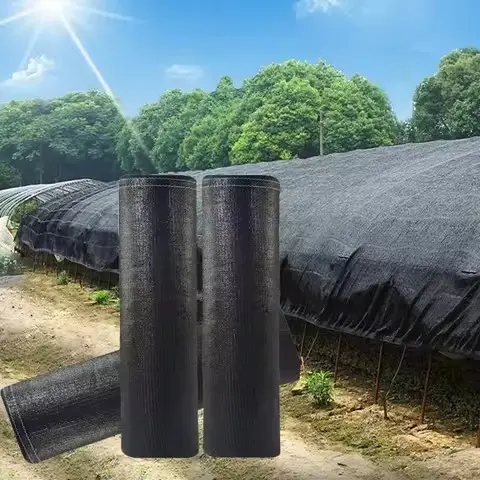
Shade Cloth:Made from woven polyethylene or polypropylene fibersAvailable in density levels from 30% to 90% shade factorTypically heavier, providing more uniform sunlight reductionUV-stabilized for 5–10 years of outdoor use
Shade Netting:
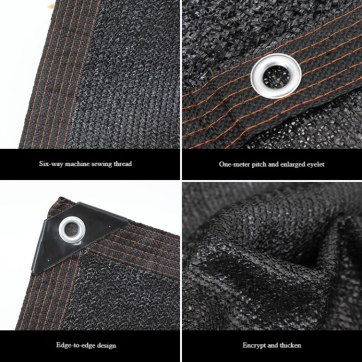
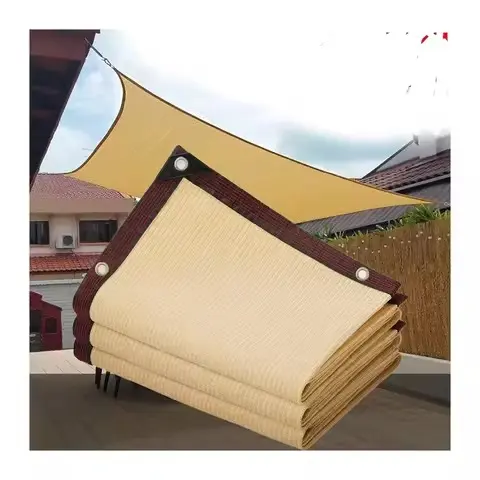
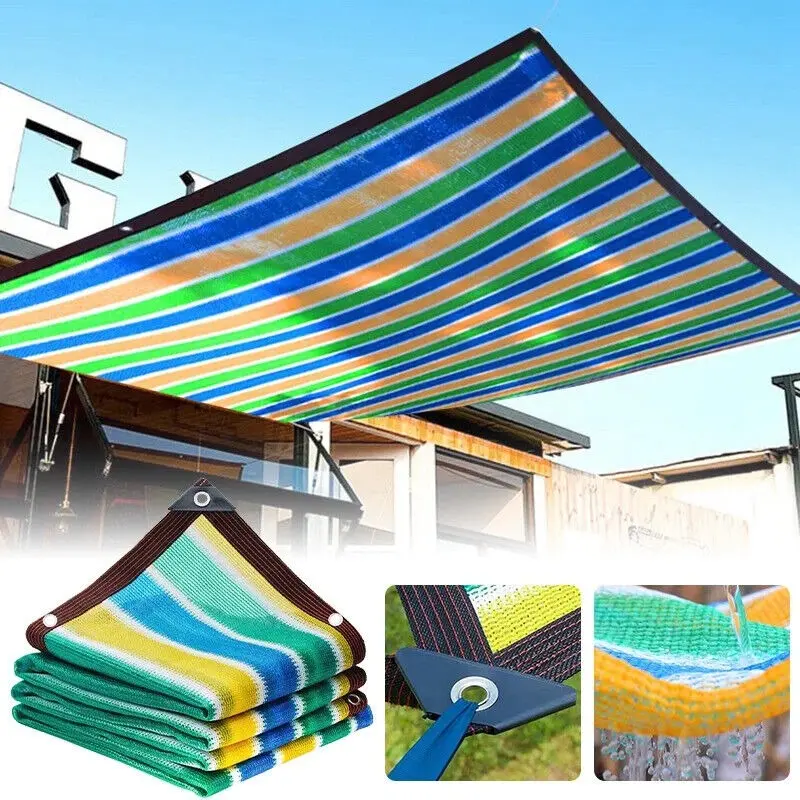
Knitted or extruded structure, lightweight and flexibleShade factor ranges from 20% to 80%, suitable for partial shadingHigh airflow promotes temperature regulation and humidity controlLifespan: 3–8 years outdoors, depending on material and installationData Insight: Field reports indicate that properly installed shade cloth reduces solar radiation by 50–70%, improving greenhouse temperatures by up to 6–8°C compared to uncovered areas. Shade netting provides 30–50% cooling, ideal for nurseries and construction sites needing airflow.
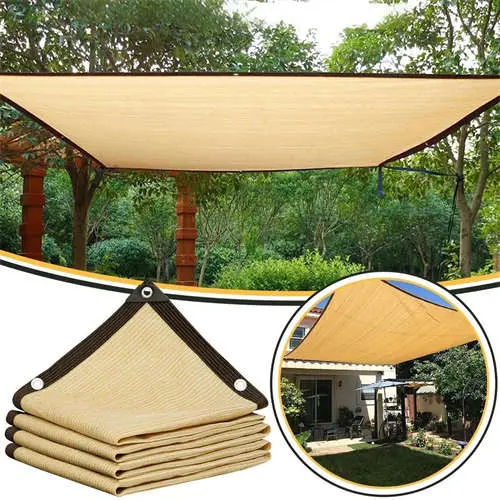
Key Applications Across Industries
Greenhouse Growers:Protect crops from excessive sunlight while maintaining airflow and temperature stability
Nurseries and Landscaping Companies:Shade sensitive plants, prevent leaf burn, and extend growing seasons
Construction and Infrastructure Contractors:Shield workers and building materials from harsh sunlight; reduce heat stress and material degradation
Government Agricultural Projects:Protect seedlings and crops in large-scale public farming initiatives
Distributors of Horticultural Supplies:Offer varied shading solutions to B2B customers, balancing durability and cost
Tips for Choosing the Right Shading Material
Assess Sunlight Exposure: Determine peak sun intensity and duration in the project area.Consider Airflow Needs: Use netting for high ventilation; cloth for heavy UV protection.Evaluate Durability: Choose UV-stabilized materials for long-term outdoor use.Installation Flexibility: Lightweight netting allows easy adjustment; cloth may require stronger support structures.
For B2B buyers, both shade cloth and shade netting have distinct advantages. Shade cloth offers high UV protection and long-term durability, while shade netting provides airflow and flexibility for less intensive shading needs. Choosing the right material depends on the application, environmental conditions, and project duration. Proper selection ensures optimal plant growth, worker comfort, and material protection across commercial and industrial settings.
FAQ
-
What is the main difference between shade cloth and shade netting?
Shade cloth is woven for higher UV protection and durability, while shade netting is knitted or extruded for better airflow and flexibility. -
How long do shade cloth and netting last outdoors?
Shade cloth: 5–10 years; Shade netting: 3–8 years, depending on UV stabilization and installation. -
Can shade netting be used in construction sites?
Yes, it provides partial sun protection while allowing ventilation for workers and materials. -
How do I choose between shade cloth and shade netting?
Consider sunlight exposure, airflow requirements, material durability, and installation flexibility.