 +86 19005411400+86 15006803065


0102030405
Is Artificial Grass Eco-Friendly? Lifecycle Efficiency and Operational Data Explained
2025-11-25
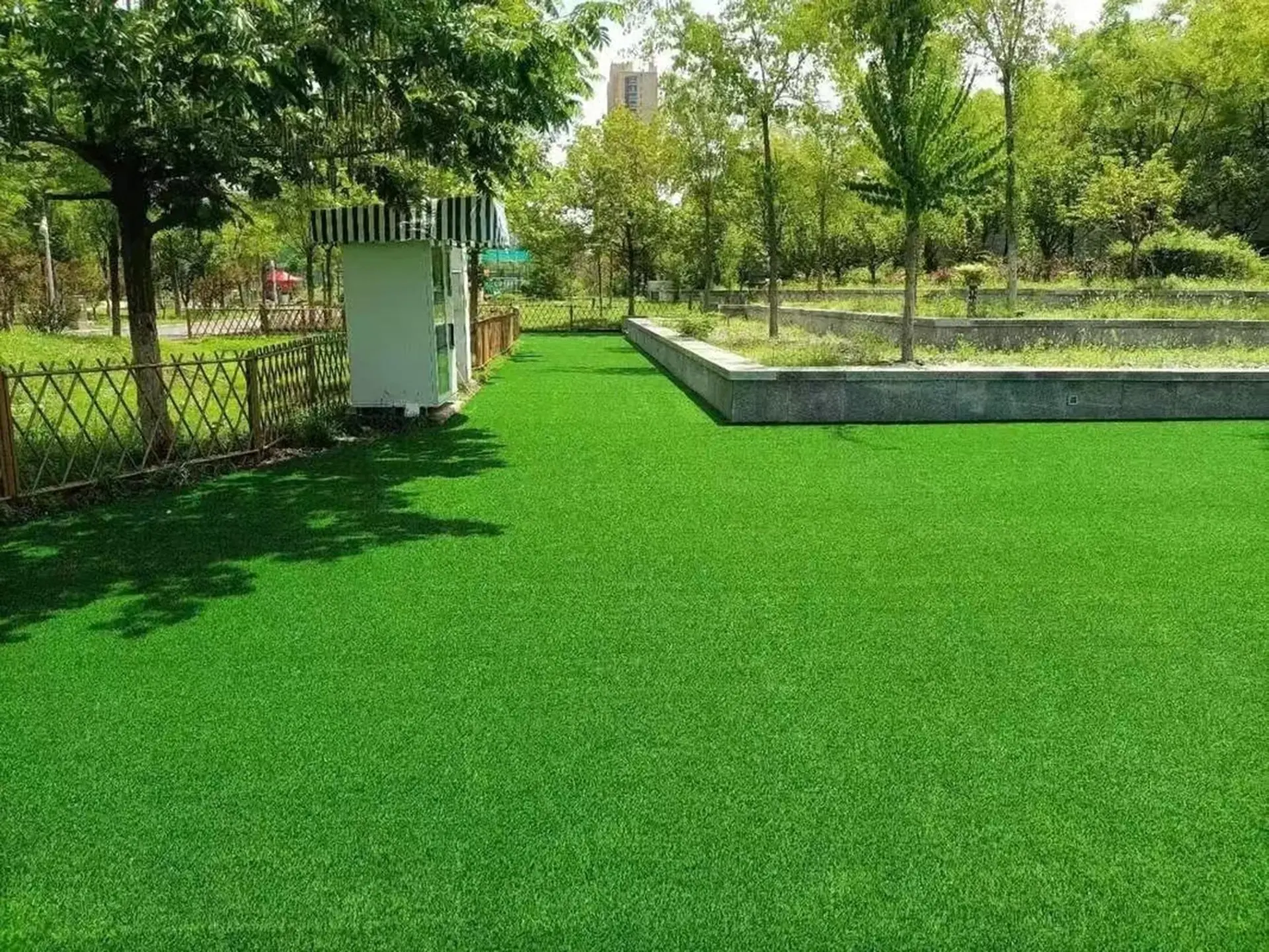
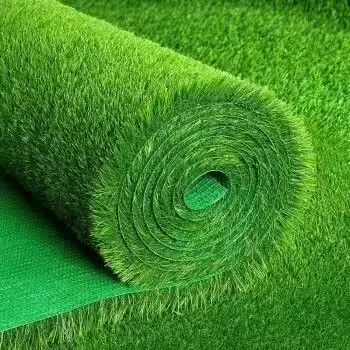
The discussion around artificial grass and environmental impact is becoming increasingly data-driven. Beyond aesthetics, B2B buyers are focusing on lifecycle cost, water conservation, maintenance efficiency, and surface durability. The core question remains: Is artificial grass eco-friendly in real-world use?
Intro: Why This Question Matters for Large Projects
Professional landscaping projects—including commercial buildings, residential developments, playground campuses, and retail properties—are evaluated on long-term performance.
Artificial grass provides predictable operational cost control and consistent appearance, which are essential for multi-year project planning.
Product Specifications: What Defines a Sustainable Turf System
A professional-grade system typically includes:
|
Parameter |
Typical Range |
|
Pile Height |
30mm – 55mm |
|
Gauge |
3/8" – 5/8" |
|
Density |
High density for impact cushioning |
|
Backing |
Latex or PU bonded + grid reinforcement |
|
Yarn Type |
UV-resistant PE |
|
Drainage Rate |
60L/m²/minute average |
These technical indicators determine performance stability.
Why Artificial Grass Can Be Considered Eco-Efficient
1) Water Reduction Benefits
Data shows synthetic grass can cut landscaping water consumption by up to 65–95%, depending on installation scale.
2) Lower Maintenance Emissions
Artificial turf eliminates:gasoline lawn mowersirrigation pumpingchemical treatmentsThis reduces carbon output in maintenance cycles.
3) Long Operating Life
Up to 5–8 years under heavy traffic,10+ years in low-traffic zones.
4) Consistent Use in Sustainability Projects
Increasingly selected for:green building certification programslow-water municipal landscapingschool environmental improvement projects
Commercial Application Sectors
Artificial grass is being deployed across:Commercial Developmentgreen beltshotel terracesmall plazas
Sports Projects
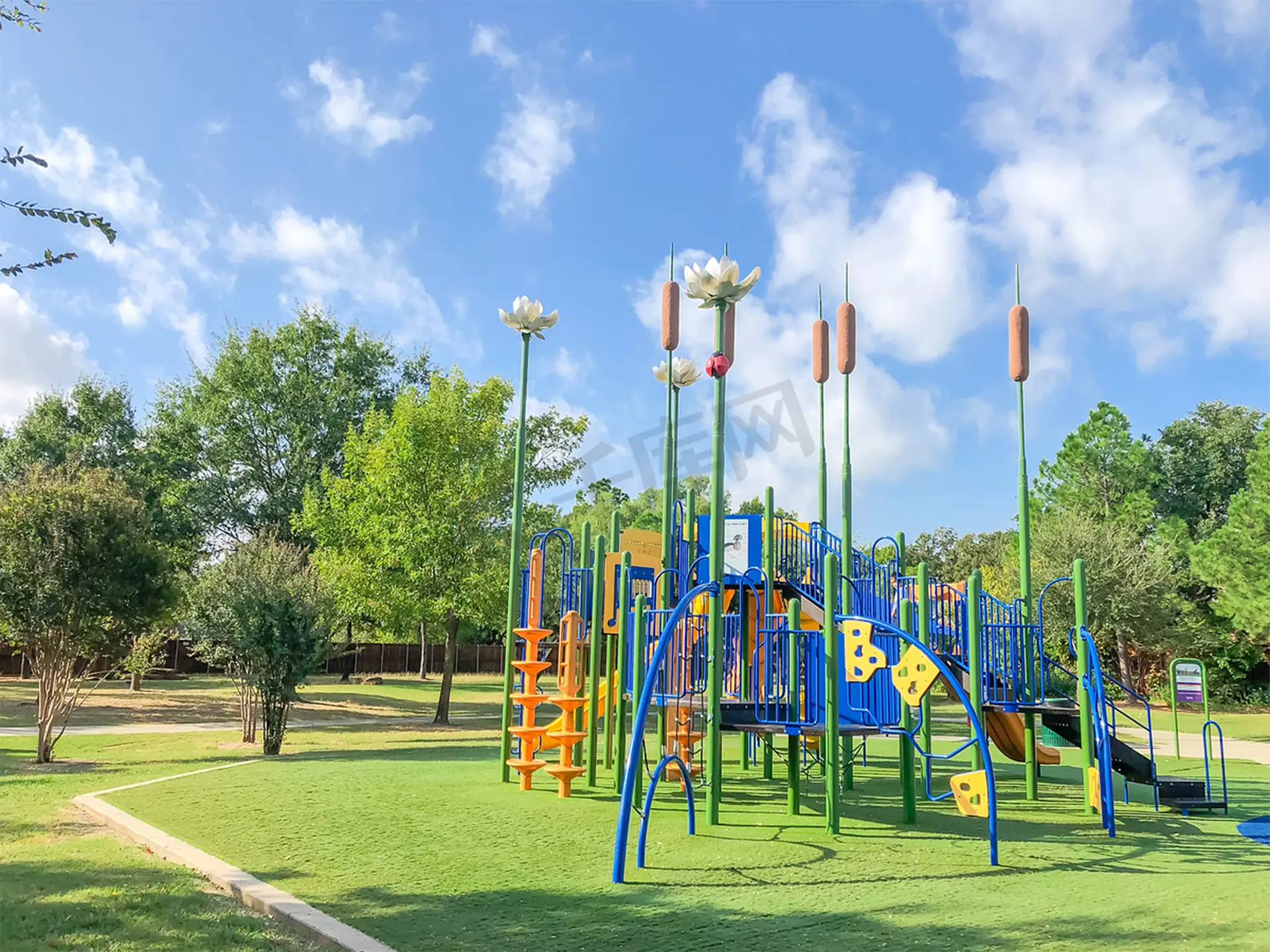
children’s playgroundstraining fieldsshared-use surfaces
Landscape Firms
rooftop greensgarden renewal programs
Event & Exhibition Teams
outdoor event floorsimmersive décor zones
Advantages for Professional Operations
predictable maintenance budgetingconsistent aesthetic over timeno soil erosion issuessafe and durable for high activity areasrapid installation even on sub-bases
Conclusion
Evaluated through water usage, maintenance emissions, and durability, artificial grass delivers strong ecological and economic advantages over traditional lawns. With advancing recycling technology and material innovation, the industry continues to move toward more circular sustainability practices.
FAQ
Q1: Does artificial grass require daily maintenance?
No, occasional brushing and debris cleaning are sufficient.
Q2: Is artificial grass harmful to the environment?
When used as a replacement for heavily irrigated lawns, it reduces ecological strain.
Q3: Does artificial grass contribute to heat buildup?
Heat levels depend on fiber type and installation location, not just material.
Q4: How can artificial grass be disposed of responsibly?
Recycling programs and recovery channels are expanding across the industry.