
 +86 19005411400+86 15006803065


0102030405
How Long Does Shade Netting Last? Insights for Commercial Landscaping and Industrial Use
2025-12-08
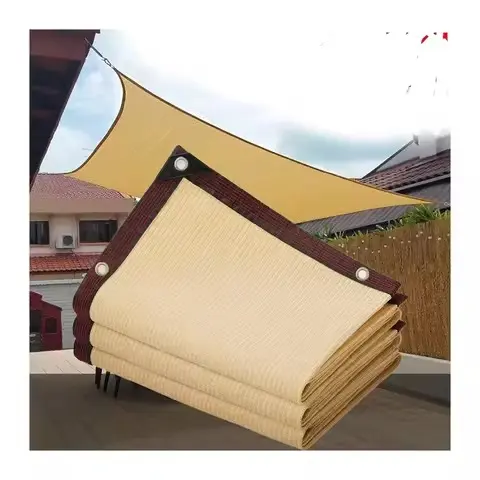
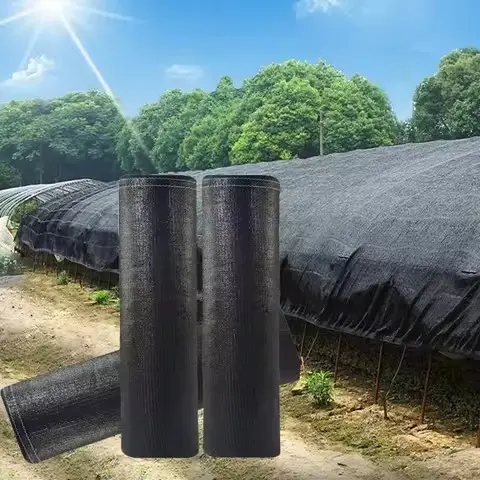
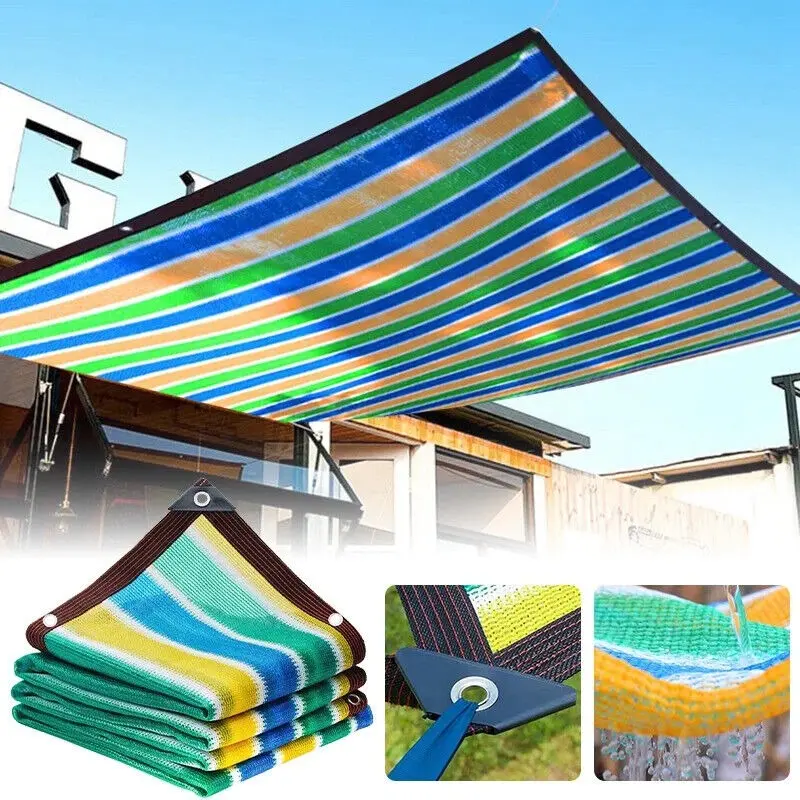
Shade netting is an essential solution for controlling sunlight, temperature, and UV exposure in various outdoor applications. For commercial buyers—from landscape design firms to construction and event organizers—understanding the durability of shade nets is crucial for long-term planning, budgeting, and installation efficiency. Knowing how long a shade net lasts helps you maximize ROI and maintain effective protection over time.
Key Factors Affecting Shade Netting Lifespan
The longevity of shade netting depends on several critical parameters:
-
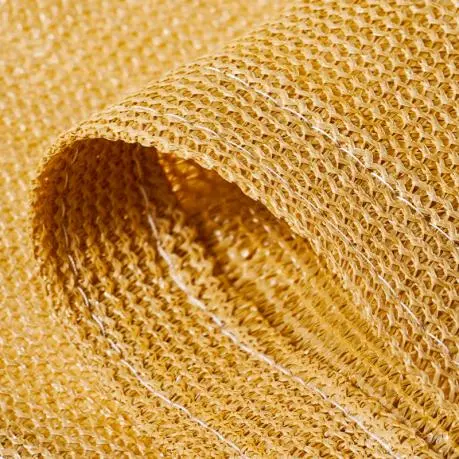
Material Composition: Premium PE (polyethylene) or HDPE fibers are widely used. PE is soft yet durable, while HDPE offers superior tensile strength.
-
Shade Rate: Higher-density nets (70–90%) block more sunlight but may require stronger reinforcement.
-
UV Stabilization: UV-treated nets resist fading and degradation under prolonged sun exposure.
-
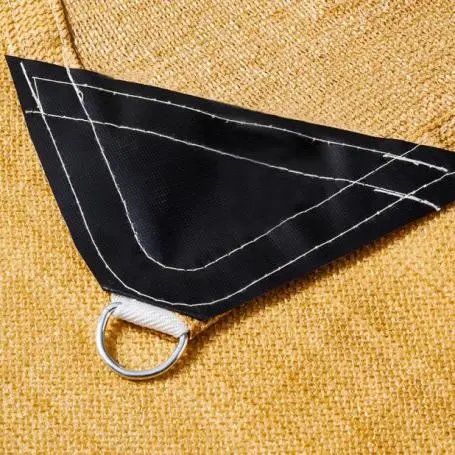
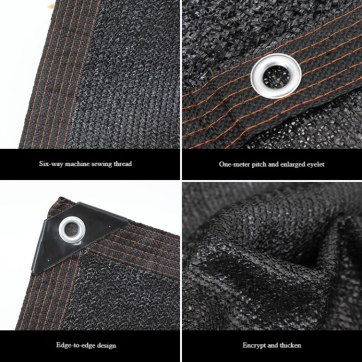
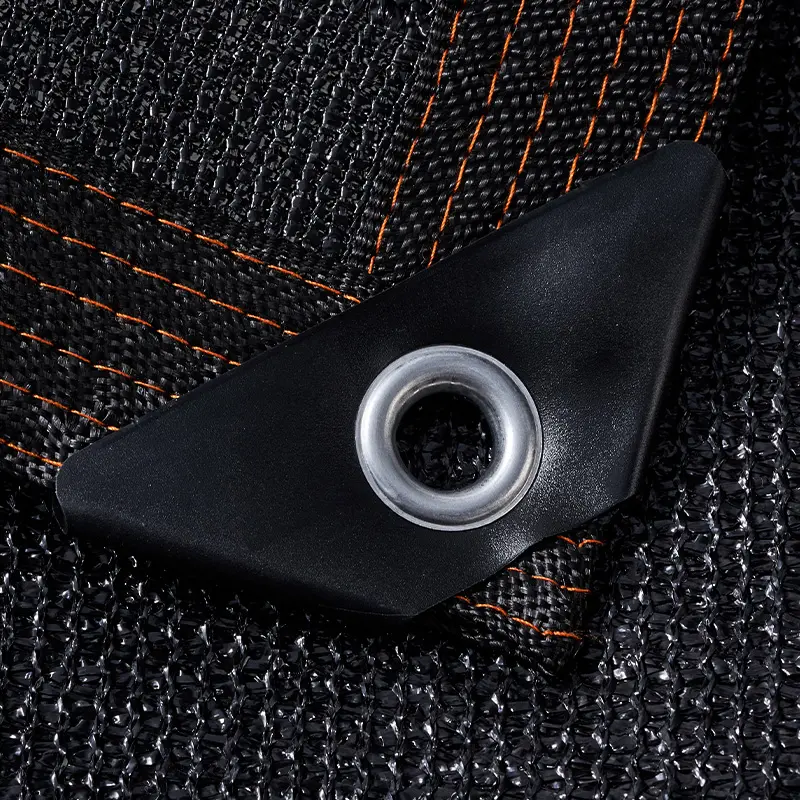
Reinforcement & Edge Design: Nets with reinforced edges every 0.5–1 m and corner wrapping improve tension tolerance.
-
Environmental Exposure: Extreme winds, heavy rainfall, or coastal conditions can reduce net lifespan.
Data Insight: Commercial-grade shade nets with proper installation and maintenance can last 5–10 years outdoors, depending on density and UV protection. Some reinforced models exceed 12 years under moderate conditions.
Product Specifications for Industrial Shade Nets
| Attribute | Specification |
|---|---|
| Material | High-quality PE or HDPE |
| Weight | 60–300 g/m² (customizable) |
| Shade Rate | 30%–90% |
| Width | 1–12 m |
| Length | 50–100 m rolls (customizable) |
| Reinforcement | Double-stitched edges, buttonholes or grommets every 1 m |
| UV Protection | Stabilized to reduce fading over 5–12 years |
Applications Across Industries
-
Landscape Design Firms: Create shaded gardens, terraces, and recreational areas.
-
Real Estate Developers: Protect rooftop gardens, courtyards, and public amenities.
-
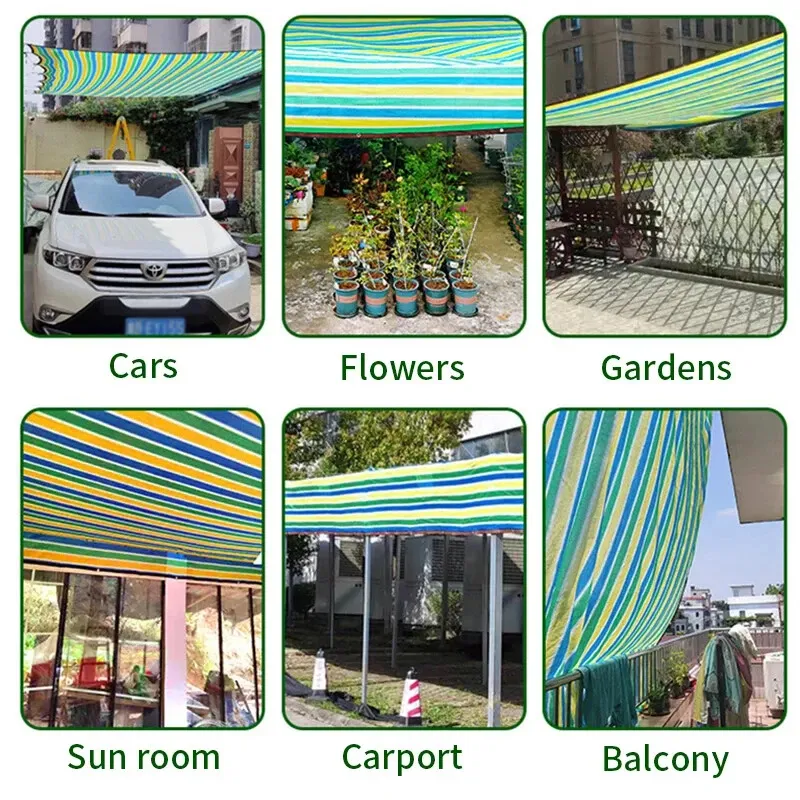
Homeowners & Retail Buyers: Backyard, patio, and nursery protection.
-
Schools & Sports Contractors: Playground, field, and stadium shading.
-
Hotels, Malls & Public Spaces: Outdoor seating areas, event zones, and walkways.
-
Event Organizers & Exhibitions: Trade show covers, temporary installations, and outdoor stages.
Benefits of Choosing Durable Shade Netting
-
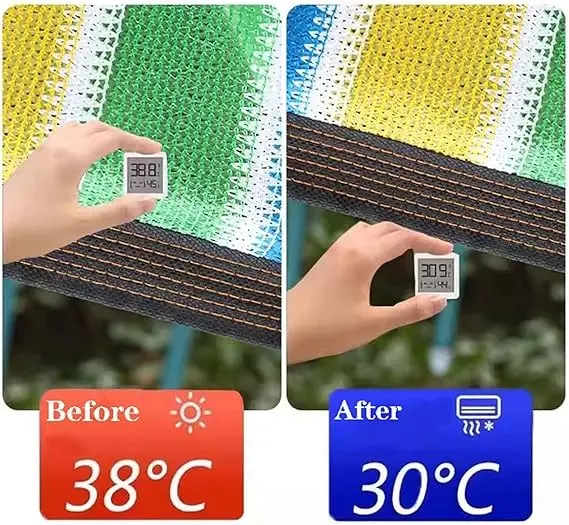
Reduces heat stress on plants, people, and materials
-
Low maintenance and long service life
-
Cost-effective protection with predictable lifespan
-
Resistant to tearing, wind, and UV degradation
-
Flexible for temporary and permanent installations
Tips to Extend Shade Netting Lifespan
-
Install with reinforced edges and secure fasteners.
-
Avoid direct friction with sharp objects or abrasive surfaces.
-
Clean debris, dust, and leaves regularly.
-
Replace damaged sections promptly to prevent further stress.
-
Choose a shade rate appropriate for the environment and exposure.
Conclusion
Proper selection, installation, and maintenance of commercial shade netting ensure durability of 5–12 years, depending on material and conditions. For B2B buyers, investing in reinforced, UV-stabilized shade nets guarantees long-term protection, cost savings, and reliable performance across landscaping, construction, and public spaces.
CTA: Contact us today for custom shade netting solutions, bulk pricing, or free samples for your project.
FAQ
Q1: How long does reinforced shade netting last outdoors?
Typically 5–12 years with proper installation and UV protection.
Q2: Does shade rate affect lifespan?
Yes, higher-density nets may last longer if reinforced but can be more sensitive to wind stress.
Q3: Can shade nets be reused for multiple projects?
Yes, reinforced nets are designed for reuse with careful handling.
Q4: What maintenance is needed?
Regular debris removal, inspection of edges, and timely repair of small tears.