
 +86 19005411400+86 15006803065


0102030405
How Is Artificial Grass Maintained? Practical Tips for Long-Lasting Synthetic Lawns
2025-11-10
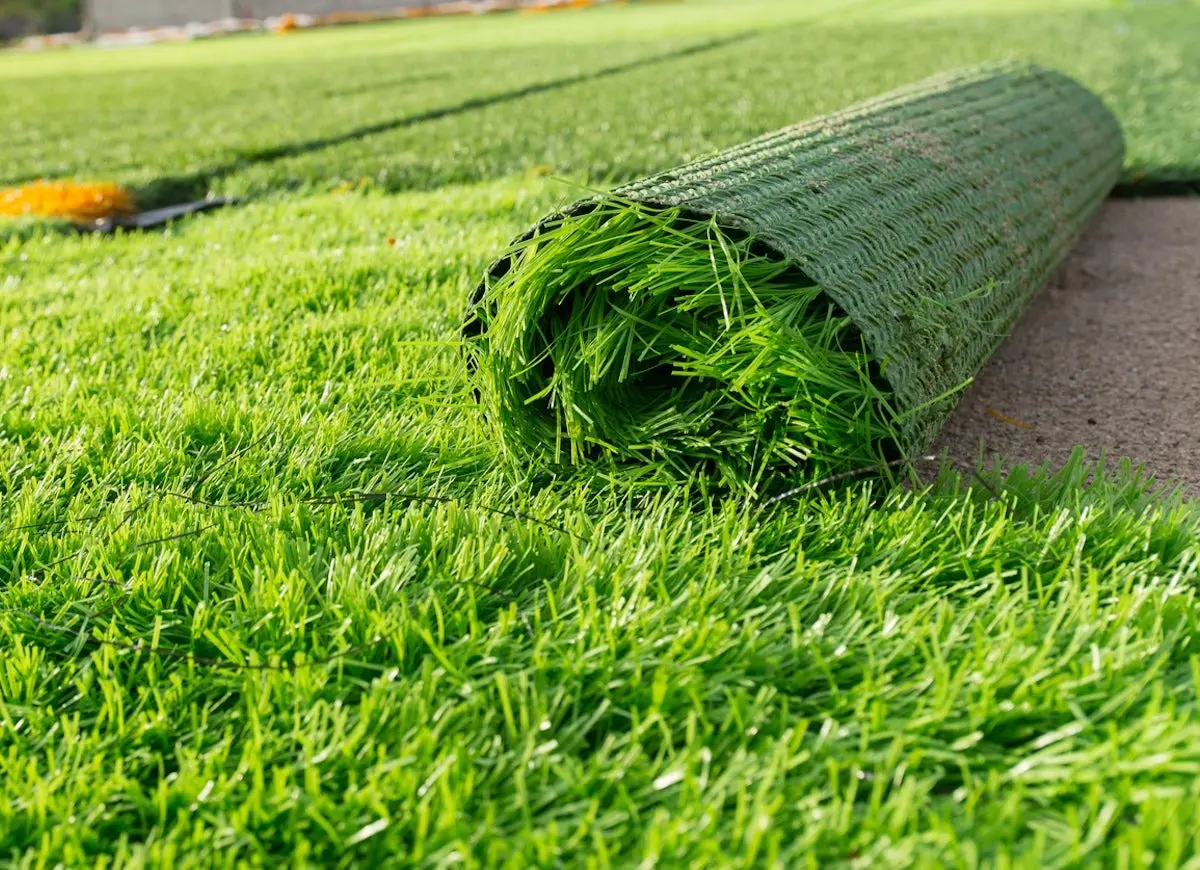
Artificial grass is increasingly chosen by landscape designers, real estate developers, and commercial facility managers for its low maintenance and aesthetic appeal. Despite being low-maintenance, artificial grass still requires regular care to ensure a long lifespan, consistent appearance, and safe use in high-traffic areas.
Key Parameters Affecting Maintenance
Understanding the structure and composition of artificial grass helps guide proper maintenance:
- Material: Polyethylene (PE), Polypropylene (PP), or Nylon fibers
- Pile Height: 20–60 mm for commercial and residential applications
- Density: 10,000–25,000 stitches per square meter for durability
- Backing: Waterproof and UV-resistant backing to support structure
- Infill: Sand, rubber, or silica infill improves cushioning and prevents fiber flattening
- Data Insight: Studies show that high-density PE turf retains over 90% of its upright fibers after 10 years with proper maintenance, while Nylon turf can last up to 15 years even under heavy foot traffic.
Daily and Weekly Maintenance Practices
Maintaining artificial grass involves simple but consistent steps:
- Remove Debris: Regularly clear leaves, twigs, and dust using a leaf blower, broom, or garden vacuum.
- Brush Fibers: Use a stiff broom or brush to lift flattened fibers, especially in high-traffic zones.
- Wash & Rinse: Lightly hose the surface to remove dust, bird droppings, and spills. For stubborn dirt, use a mild soap solution.
- Check Infill Levels: Inspect sand or rubber infill quarterly and replenish as needed to maintain cushioning and support.
- Prevent Weed Growth: Occasionally inspect for weeds at the edges or seams and remove them to prevent root penetration.
Applications Across Industries
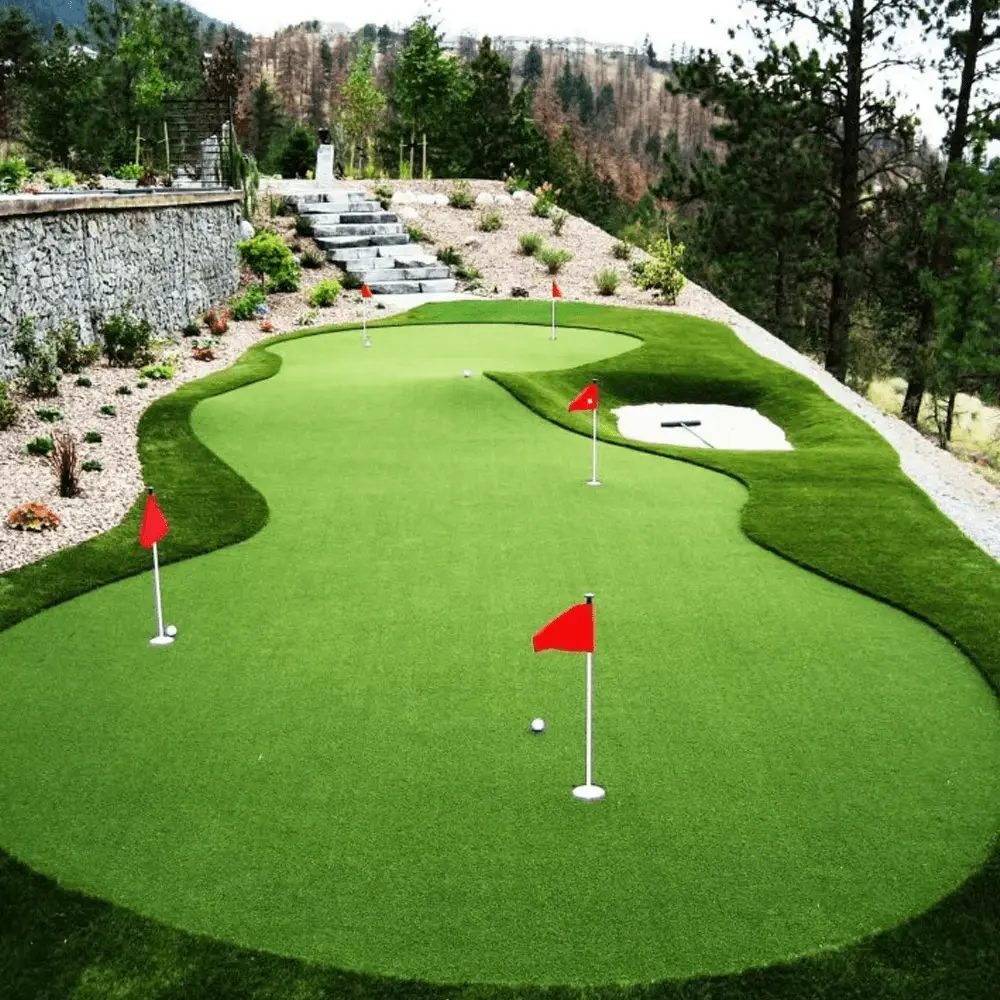
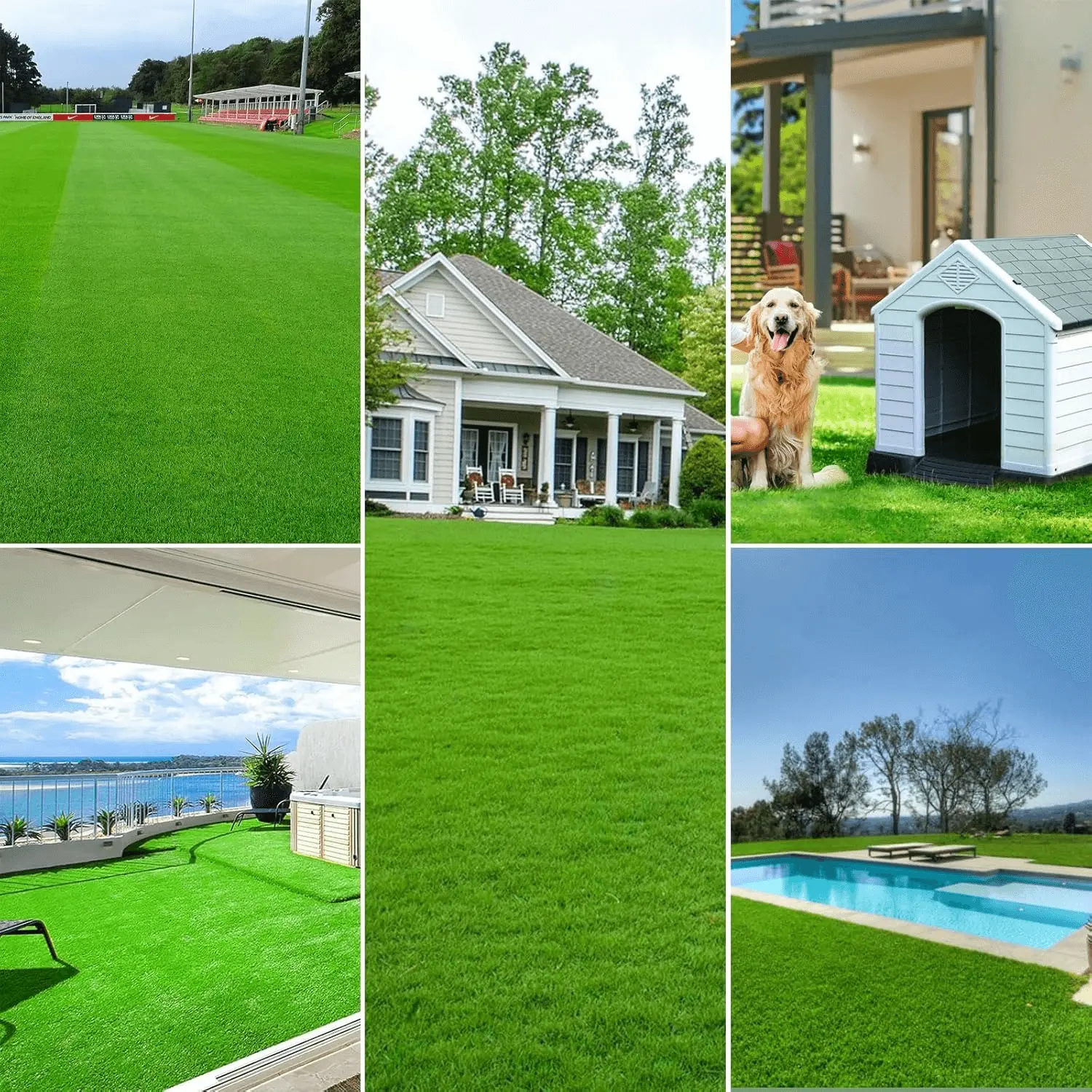
- Landscape Design Firms: Decorative lawns, rooftop gardens, and public-facing landscapes
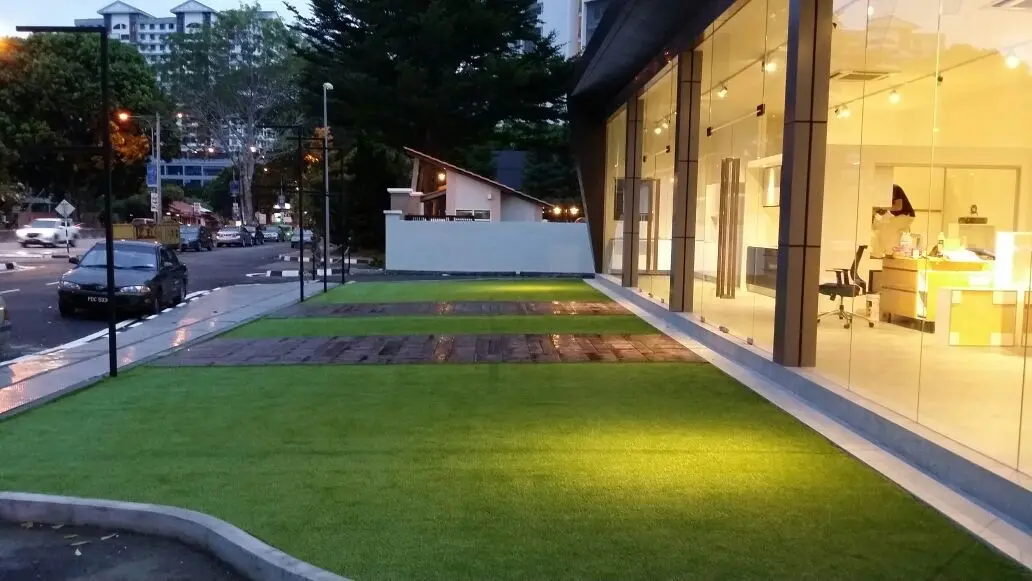
- Real Estate Developers: Residential courtyards, communal green spaces, and commercial landscaping
- Homeowners & Garden Retail Buyers: Private gardens, patios, and display lawns
- Schools & Sports Contractors: Playgrounds, football pitches, training areas
- Hotels, Malls & Public Spaces: Event lawns, rooftop greenery, pedestrian areas
- Event Organizers & Exhibition Builders: Temporary outdoor flooring and exhibition layouts
Benefits of Proper Maintenance
- Enhanced Durability: Reduces wear and extends lifespan from 8–15 years depending on material
- Consistent Appearance: Maintains vibrant green color and upright fibers
- Safety Compliance: Prevents slips, uneven surfaces, and accumulated debris hazards
- Cost Efficiency: Minimizes the need for replacement or major repairs
Professional Tips for Long-Term Care
- Use soft-bristled brushes in delicate areas to avoid damaging fibers
- Avoid sharp tools and machinery directly on the turf
- Periodically check for seam lifting or edge wear and repair promptly
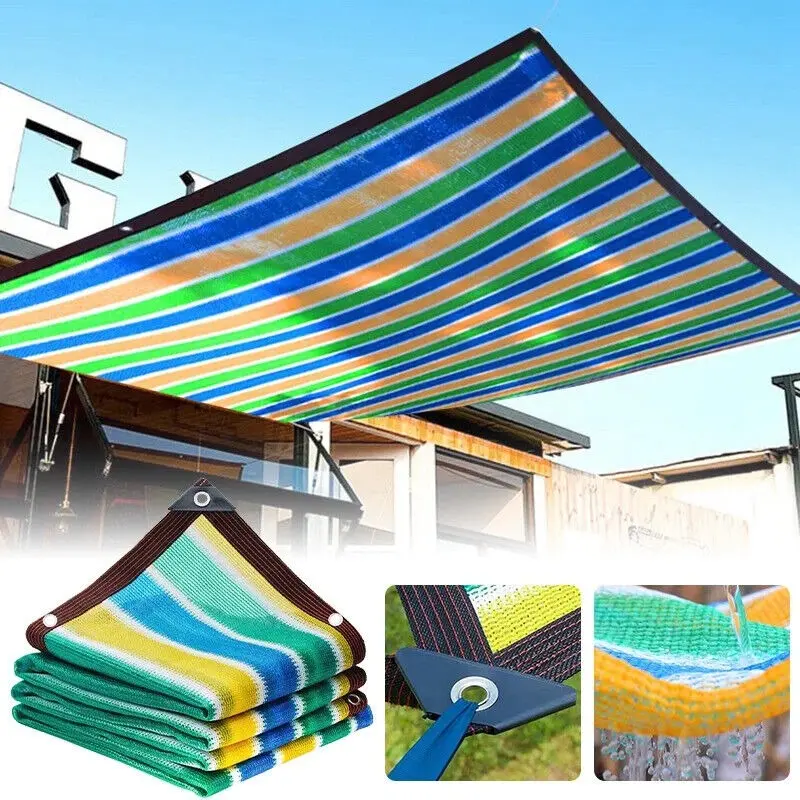
- Consider lightly shaded areas or protective covers in extreme sun exposure
Maintaining artificial grass is simple when using proper techniques and regular care routines. By clearing debris, brushing fibers, monitoring infill, and conducting periodic inspections, B2B clients can ensure long-lasting, safe, and visually appealing synthetic lawns across commercial, residential, and institutional projects.
FAQ
Q1: How often should artificial grass be brushed?
A1: At least once a week in high-traffic areas, and monthly in low-traffic zones.
Q2: Can artificial grass withstand heavy rain or irrigation?
A2: Yes, with proper drainage and infill, it resists waterlogging and maintains stability.
Q3: Are chemical cleaners safe for artificial turf?
A3: Mild, non-toxic soap solutions are safe; harsh chemicals should be avoided to prevent fiber damage.
Q4: How long does commercial artificial grass last with maintenance?
A4: 8–12 years for PE turf, up to 15 years for Nylon turf, depending on traffic and care.