 +86 19005411400+86 15006803065


0102030405
Choosing the Right Shade Net Percentage Improves Outdoor Comfort and Plant Performance
2025-12-30
Why shade percentage matters more than most buyers expect
Shade percentage defines how much sunlight is filtered rather than completely blocked. It influences heat buildup, UV exposure, and visual brightness at ground level.
In real-world applications, the correct shade rate helps to:
-
Lower surface temperature and radiant heat
-
Reduce glare while maintaining usable daylight
-
Protect plants, people, and outdoor assets
-
Extend the daily usability of outdoor areas
This makes shade percentage a functional decision, not just a specification detail.

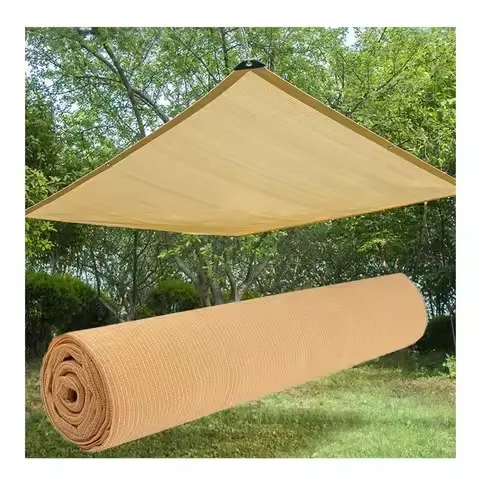
30%–40% shade: light protection with open visibility
Lower shade rates are chosen where natural brightness and visual openness remain priorities.
Typical applications include:
-
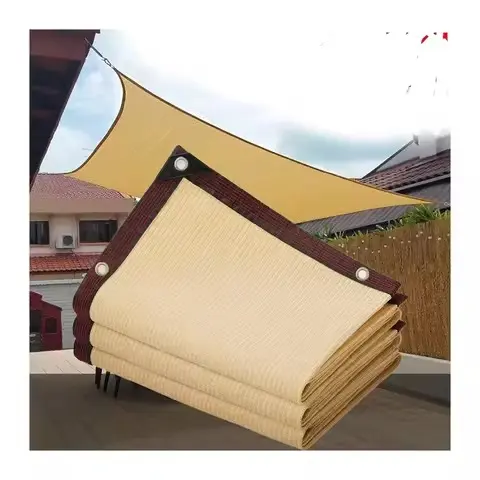
Decorative landscaping and private gardens
-
Pergolas, walkways, and seating areas
-
Retail plant displays with sun-tolerant species
Practical benefits:
-
Softens harsh sunlight and glare
-
Maintains natural light levels
-
Minimal interference with plant growth
50%–60% shade: the most versatile and widely used range
This shade range fits a broad mix of projects and industries.
Common use scenarios:
-
Public green spaces and school grounds
-
Garden centers and mixed planting zones
-
Commercial outdoor areas connected to buildings
Problems it helps solve:
-
Overheating during peak daylight hours
-
Leaf burn and fast moisture evaporation
-
Short outdoor dwell time for users
Many operators see more stable temperatures and longer usable hours after installation.
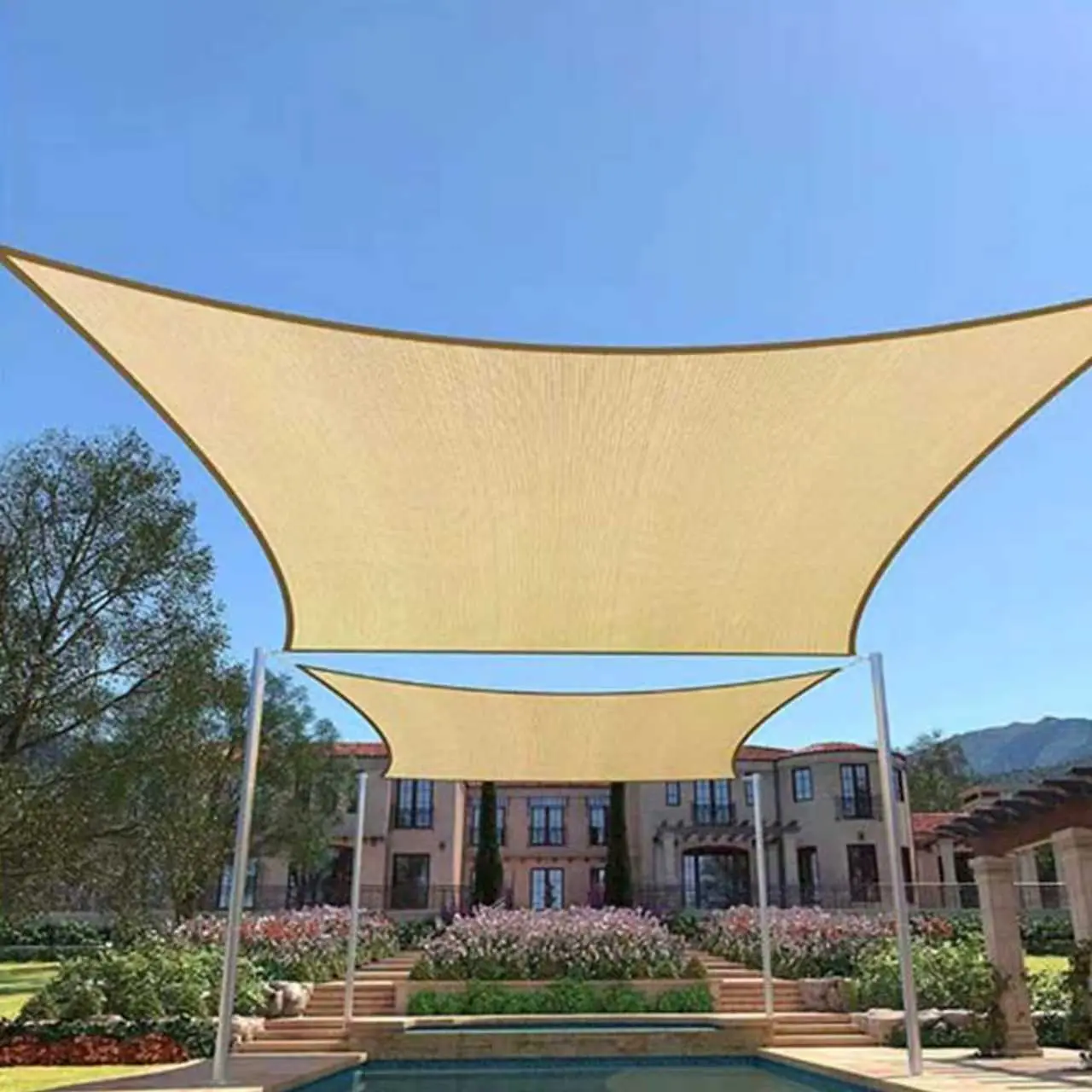
70%–80% shade: strong protection for people and surfaces
Higher shade percentages are selected when heat and UV exposure become critical.
Frequently applied in:
-
Sports field sidelines and training zones
-
Event venues and temporary outdoor structures
-
Open work areas and service zones
Observed effects include:
-
Significant reduction in UV exposure
-
Improved comfort for staff and visitors
-
Slower aging of shaded surfaces and equipment
This level is often specified for safety and performance rather than aesthetics.
90% shade: targeted shading for sensitive areas
Very high shade rates are used in controlled or short-term scenarios.
Suitable for:
-
Young plant acclimation areas
-
Equipment or material storage
-
Temporary shelters under intense sunlight
While heat reduction is strong, proper ventilation and spacing are essential to avoid heat trapping.
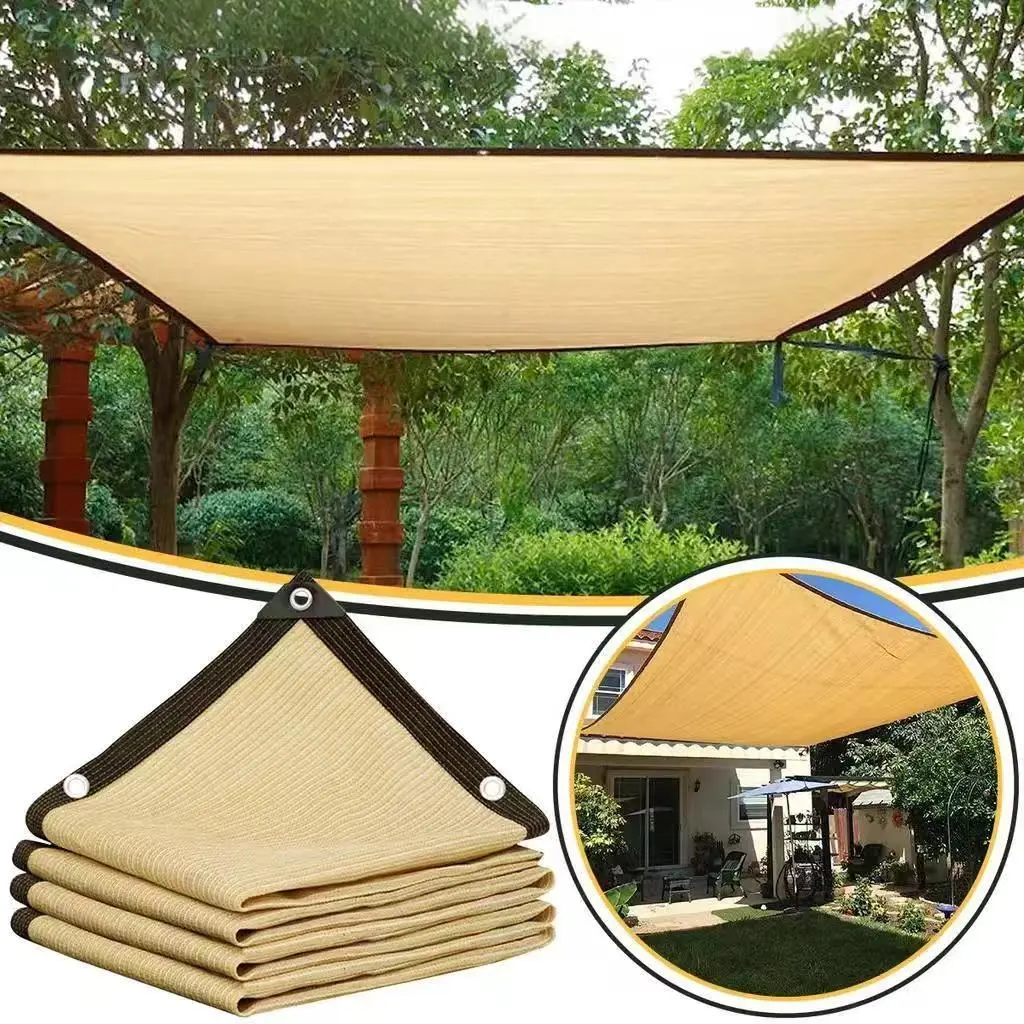
How different industries approach shade net selection
Each sector prioritizes different outcomes.
Landscape designers focus on visual balance and durability.
Developers prioritize lifecycle cost and maintenance reduction.
Schools and sports contractors emphasize UV safety and user comfort.
Public facilities aim to extend outdoor usability throughout the day.
Event and exhibition builders value fast installation and reliable shading.
Key technical parameters professional buyers review
Before purchase, most buyers evaluate:
-
Shade percentage and UV stabilization level
-
Fabric weight and knitting structure
-
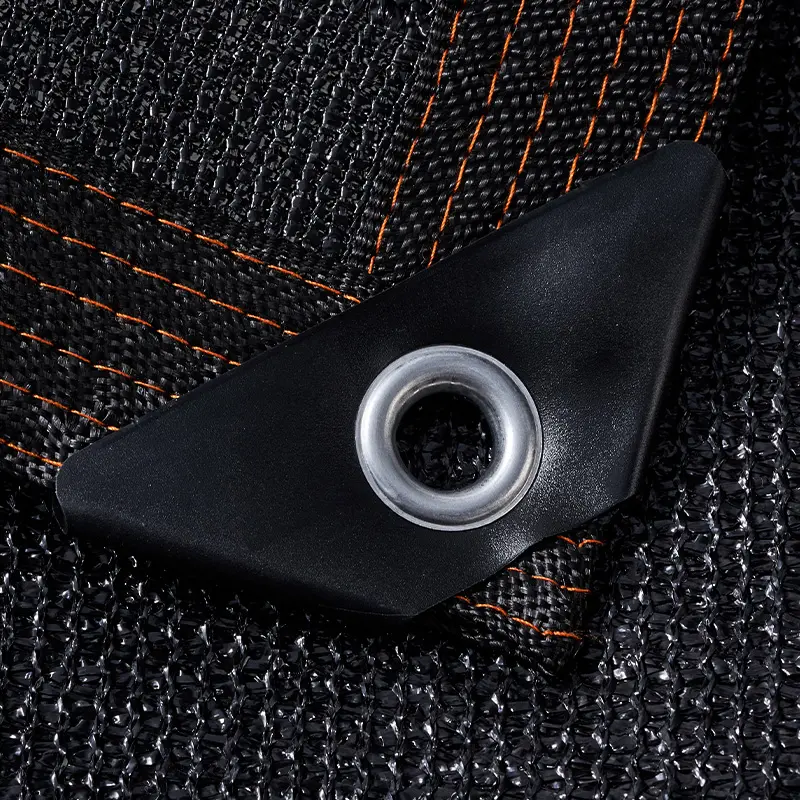
Tensile strength and edge reinforcement
-
Color options and their effect on heat absorption
These factors directly affect service life and long-term performance.
Industry concern: shade level versus airflow
A common question is whether higher shade percentages restrict airflow. Modern knitted shade nets are engineered to maintain ventilation when correctly tensioned and installed, even at higher shade rates. Installation method often matters as much as fabric choice.
Summary
Selecting the right shade net percentage is a practical, performance-driven decision. When matched correctly to real usage conditions, shade nets improve comfort, protect assets, support plant health, and deliver measurable operational benefits across multiple industries.
FAQ
What is the most commonly used shade net percentage?
50%–60% is the most widely applied range due to its balance of cooling, light control, and airflow.
Does higher shade always result in cooler conditions?
Higher shade reduces direct sunlight, but airflow, color, and installation height also affect temperature.
Are shade nets suitable for non-agricultural projects?
Yes. They are widely used in landscaping, sports facilities, public spaces, and temporary structures.
How long can a professional shade net last outdoors?
With proper UV stabilization and correct installation, shade nets can perform reliably for several years.