
 +86 19005411400+86 15006803065


0102030405
Choosing the Right Shade Net Percentage Makes Outdoor Spaces Cooler, Safer, and More Efficient
2025-12-23
In outdoor projects, shade netting is often treated as a simple accessory. In reality, the shade percentage you choose directly affects temperature control, user comfort, plant performance, and long-term maintenance costs. For professional buyers—designers, contractors, developers, and facility managers—getting this choice right from the start avoids costly adjustments later.
This article explains how different shade net percentages perform in real applications, using practical experience and measurable results rather than sales language.
Why Shade Net Percentage Matters More Than Most Buyers Expect
Shade net percentage defines how much direct sunlight is reduced, but its real impact goes beyond light alone. The correct percentage helps to:
-
Lower surface and ambient temperatures
-
Reduce glare without blocking airflow
-
Protect people, plants, and materials from UV stress
-
Extend the usable hours of outdoor spaces
Too little shade leads to overheating. Too much shade can create dark, stagnant areas that feel uncomfortable. The goal is balance.
Typical Shade Net Parameters Used in Commercial Projects
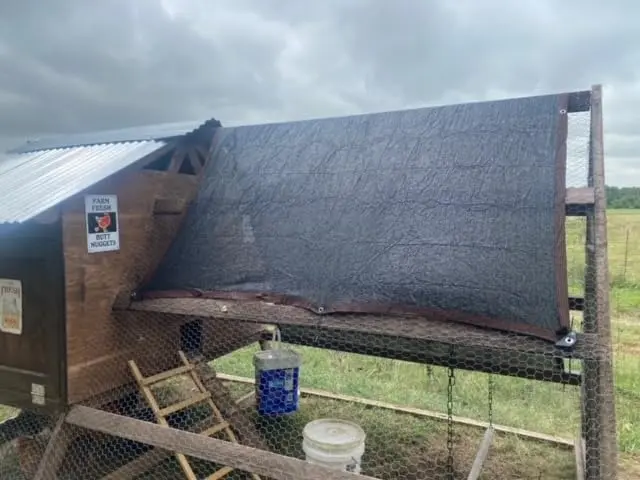
Most professional-grade shade nets share several technical characteristics:
-
Shade range: 30% to 90%
-
Fabric structure: knitted for flexibility and tear resistance
-
Weight: typically 50–180 g/m² depending on density
-
UV stabilization: designed for prolonged outdoor exposure
-
Air permeability: allows wind and rainwater to pass through
When properly specified, shade nets are commonly used for 3–8 years in continuous outdoor conditions.
How Different Shade Percentages Perform in Practice
Below is a practical guide based on how shade nets are actually used on job sites.
30%–40% Shade: Light Control Without Closing the Space
Common uses:
-
Decorative landscapes
-
Outdoor retail garden areas
-
Temporary event zones
What it delivers:
-
Noticeable glare reduction
-
Minimal impact on brightness
-
Natural airflow remains unchanged
This range is chosen when visual openness is more important than cooling.
50%–60% Shade: Everyday Comfort for Multi-Use Areas
Often applied in:
-
Residential gardens and patios
-
Hotel walkways and outdoor seating
-
Nurseries with sun-tolerant plants
Performance highlights:
-
Surface temperature reduction of approximately 5–8°C
-
Balanced light diffusion
-
Comfortable environment for extended use
This range is one of the most popular for mixed commercial and residential projects.
70% Shade: A Reliable Choice for Public and Institutional Spaces
Widely used for:
-
School playgrounds
-
Sports training zones
-
Parks and shared outdoor facilities
Why professionals choose it:
-
Strong heat reduction without full enclosure
-
Even, soft light that reduces eye strain
-
Consistent performance across seasons
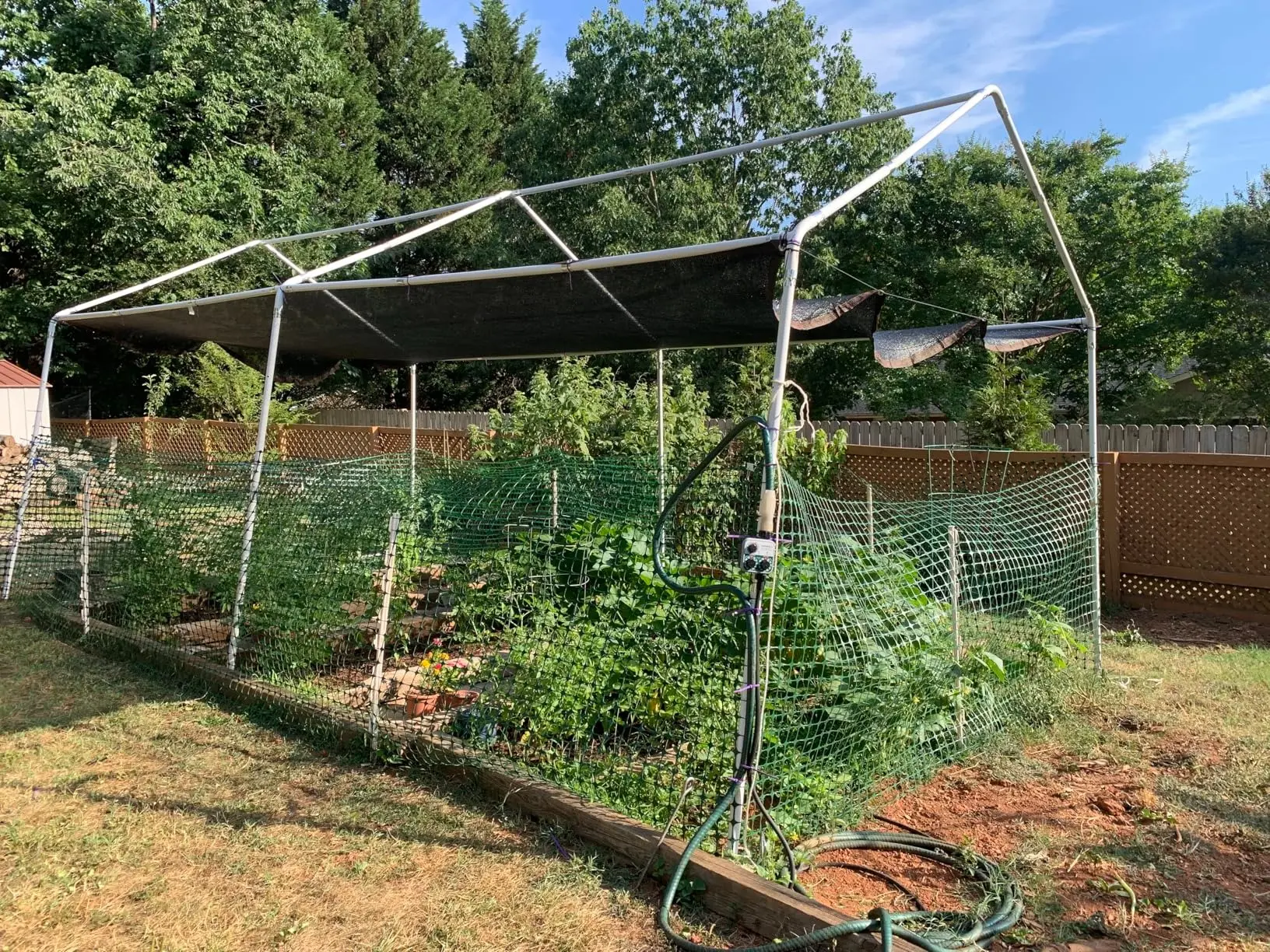
For many large-scale projects, 70% shade is considered the safest all-around option.
80%–90% Shade: Maximum Protection for Demanding Conditions
Typically selected for:
-
Equipment and material storage
-
Exhibition staging and temporary structures
-
Sensitive plants or heat-prone areas
Key considerations:
-
Significant reduction in direct solar exposure
-
Creates cooler microclimates
-
Requires open designs to maintain airflow
This level is effective but should be used selectively to avoid overly dark spaces.
Practical Problems the Right Shade Percentage Solves
Correct shade net selection helps prevent:
-
Overheated walkways and seating areas
-
Plant stress or uneven growth
-
Rapid material aging due to UV exposure
-
Higher energy use in semi-covered environments
For project owners, this means fewer complaints, lower maintenance effort, and longer service life.
Current Industry Focus Areas Influencing Shade Net Choices
Professional buyers increasingly prioritize:
-
Long-term UV resistance over low initial price
-
Modular shade systems for seasonal flexibility
-
Visual comfort in public-facing spaces
-
Passive cooling solutions that reduce energy demand
Shade percentage is now part of early-stage planning, not a last-minute decision.
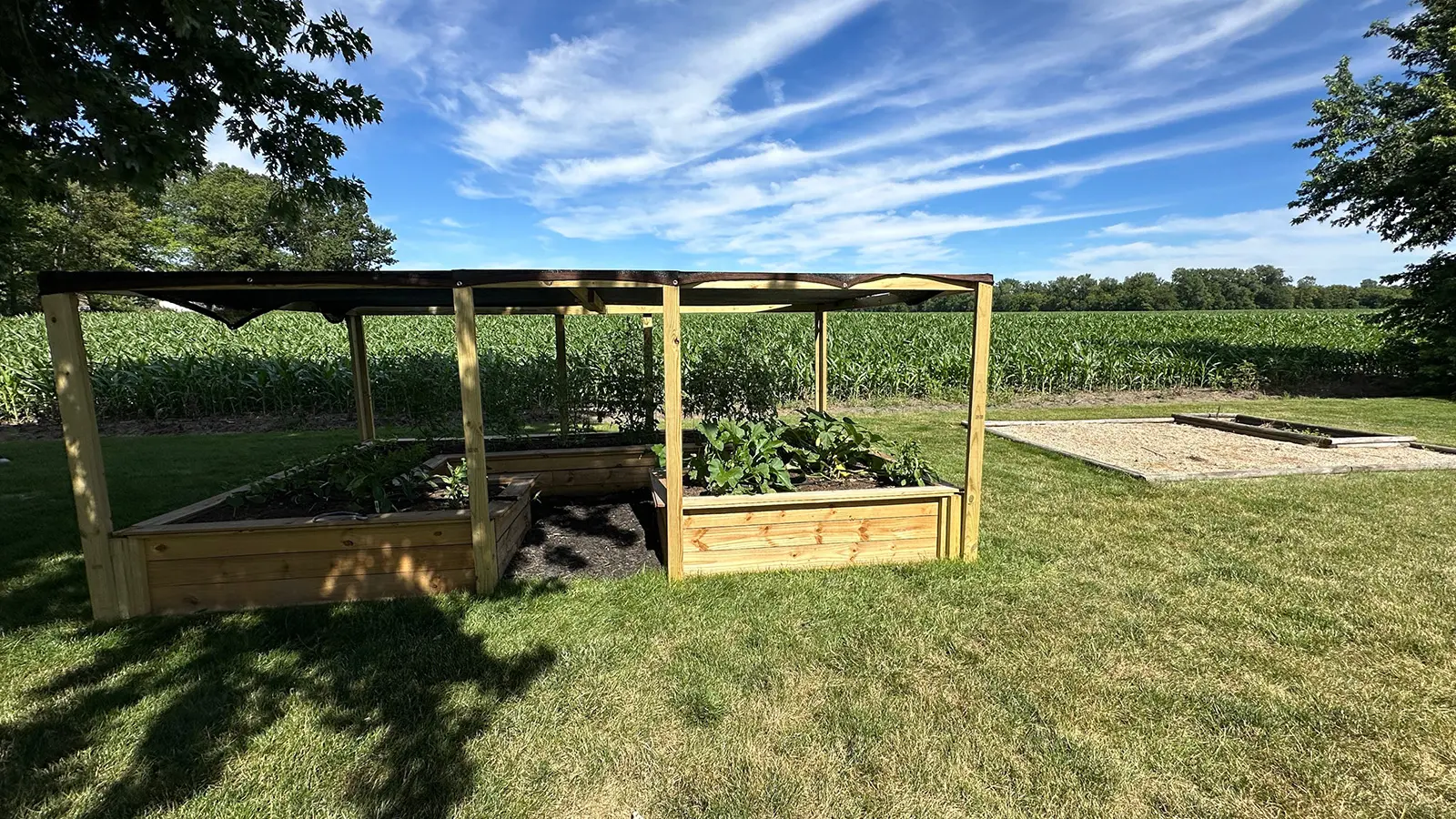
Key Takeaways for Confident Selection
There is no universal “best” shade net percentage. The right choice depends on how the space is used.
-
30%–40% for brightness with light protection
-
50%–60% for balanced daily comfort
-
70% for most public and institutional projects
-
80%–90% where heat protection is critical
Matching shade percentage to real usage conditions delivers better results and fewer compromises.
Frequently Asked Questions
Does a higher shade percentage always mean cooler conditions?
Not always. Without proper airflow, excessive shading can trap heat.
Can different shade percentages be combined in one project?
Yes. Zoning with multiple shade levels is common in large developments.
Is shade percentage linked to lifespan?
Indirectly. Fabric quality and UV stabilization have a greater impact than shade rate alone.
When is shade netting better than solid roofing?
Shade nets are preferred when ventilation, flexibility, and cost efficiency are priorities.