
 +86 19005411400+86 15006803065


0102030405
Boosting Agricultural and Industrial Efficiency: What Is the Purpose of a Shade Net?
2025-08-13
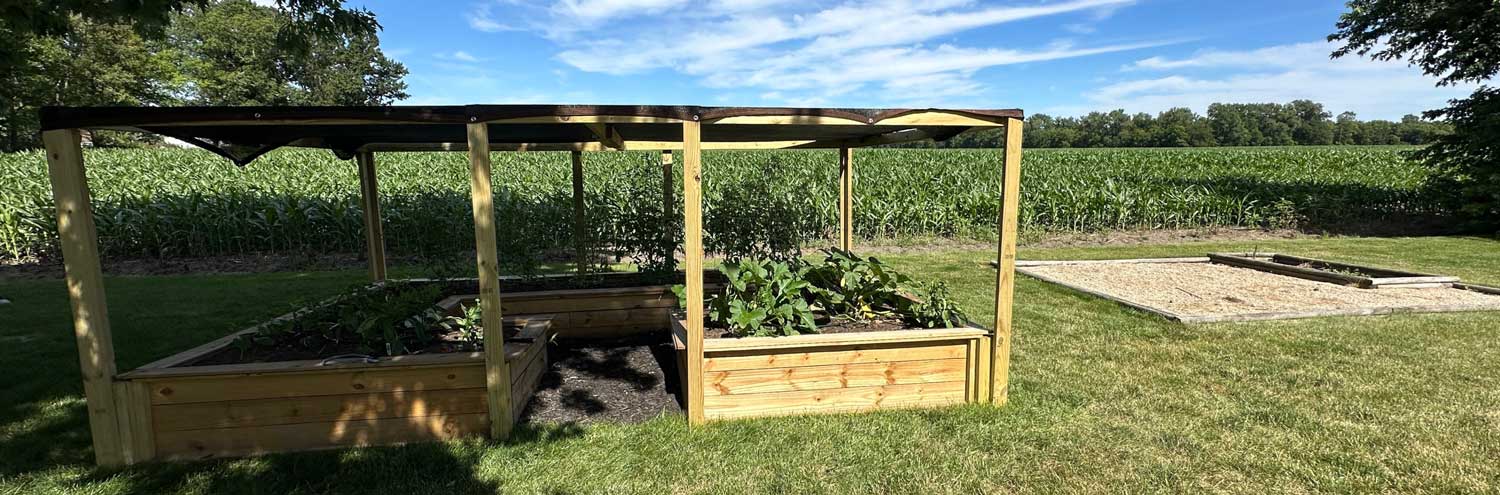
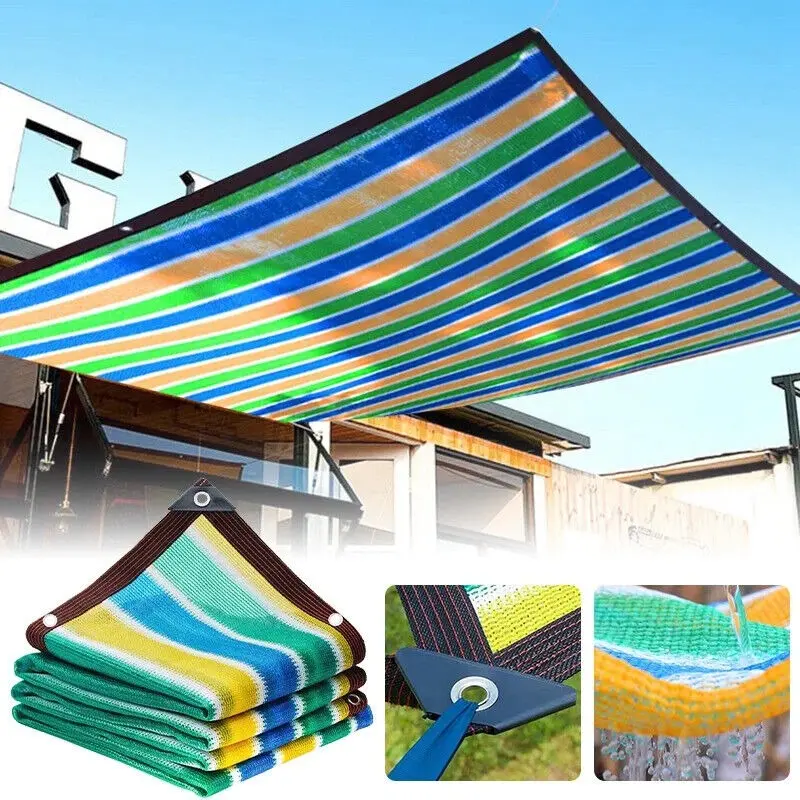
A shade net is far more than a simple covering material — it's a strategic tool in agriculture, horticulture, and construction that enhances productivity, reduces environmental stress, and improves operational outcomes. In Peru, where agricultural capacity and infrastructure depend increasingly on climate resilience, shade nets are becoming essential in both rural and urban projects.
Whether you're a greenhouse grower in the Andes, a nursery supplier in Lima, or a contractor managing infrastructure projects in Cusco, understanding the purpose of a shade net will help you maximize your investment and ensure long-term sustainability.
What Is a Shade Net and How Does It Work?
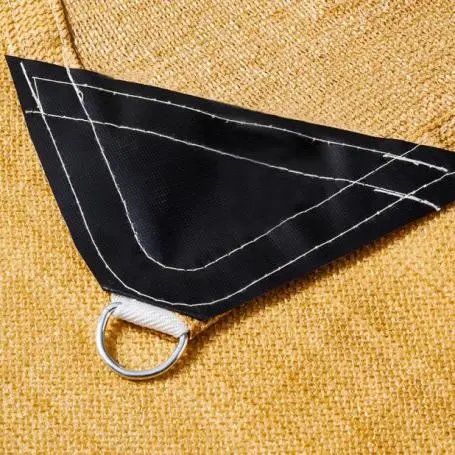
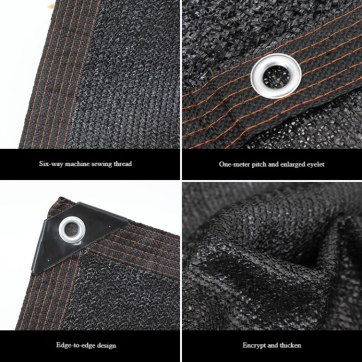
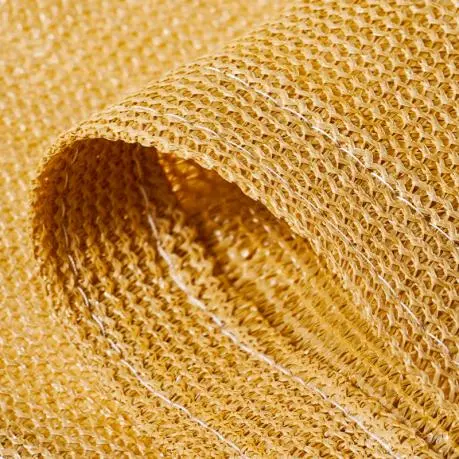
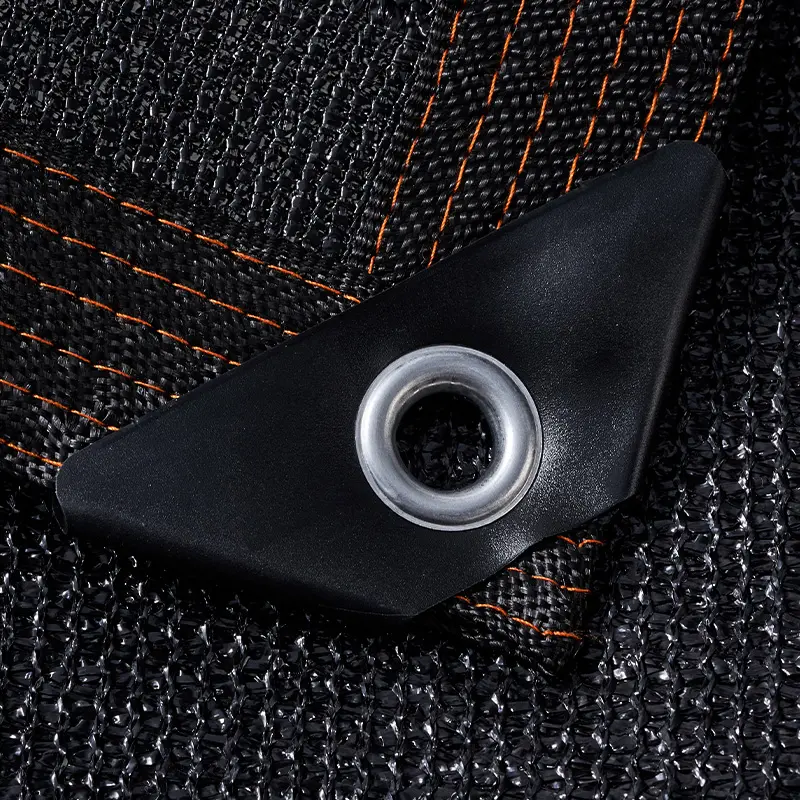
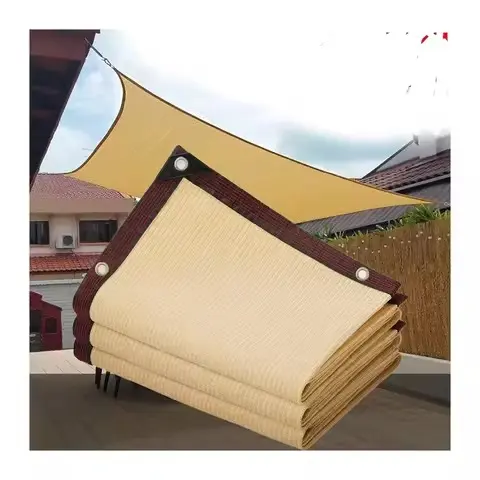
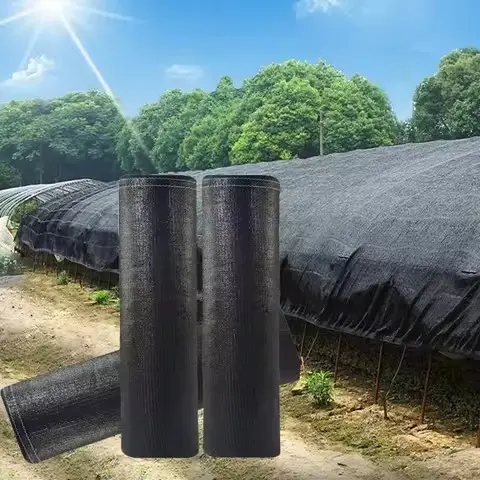
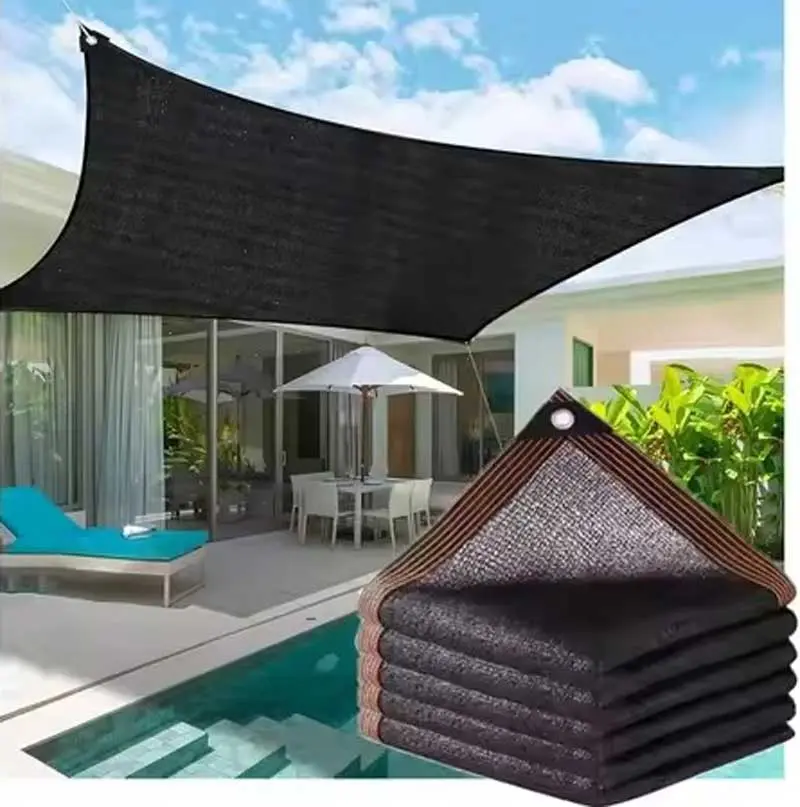
A shade net is a woven or knitted fabric used to reduce the intensity of sunlight, wind, or dust in a specific area. Usually made from high-density polyethylene (HDPE), it is UV-stabilized to ensure durability and long-lasting performance in harsh outdoor environments.
Main Functions:
Light Regulation: Reduces sunlight exposure by 30% to 90%, depending on the shading rate.
Temperature Control: Lowers ambient temperature, improving crop quality and worker comfort.
Wind and Dust Barrier: Shields from strong winds and airborne particles.
Moisture Retention: Minimizes water evaporation, reducing irrigation needs.
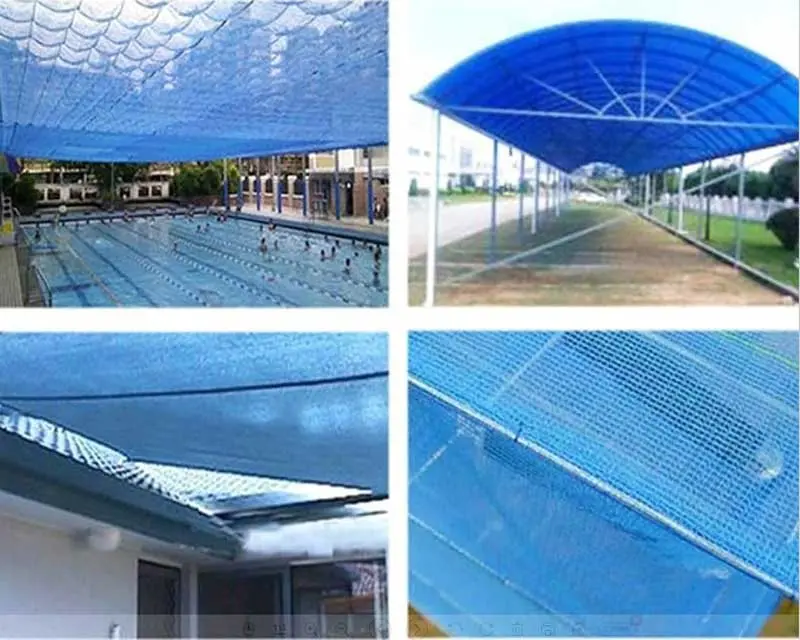
Key Applications of Shade Nets in Agriculture and Industry
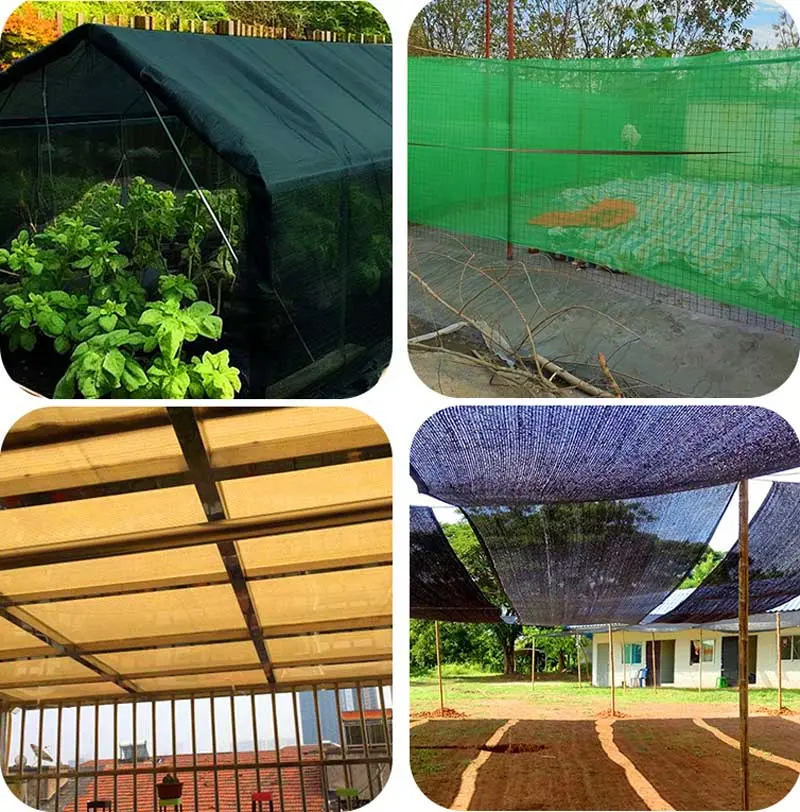
Shade nets are widely used across various B2B sectors. Below are common applications in Peru and other countries:
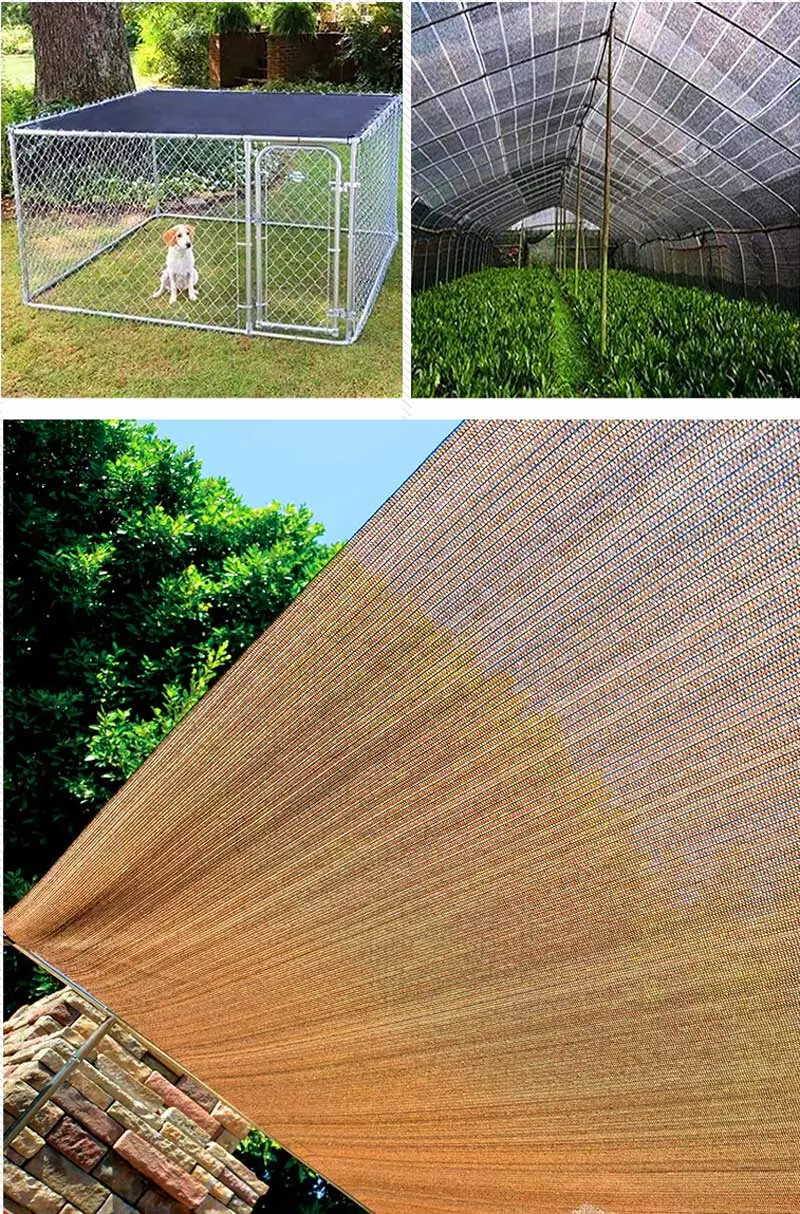
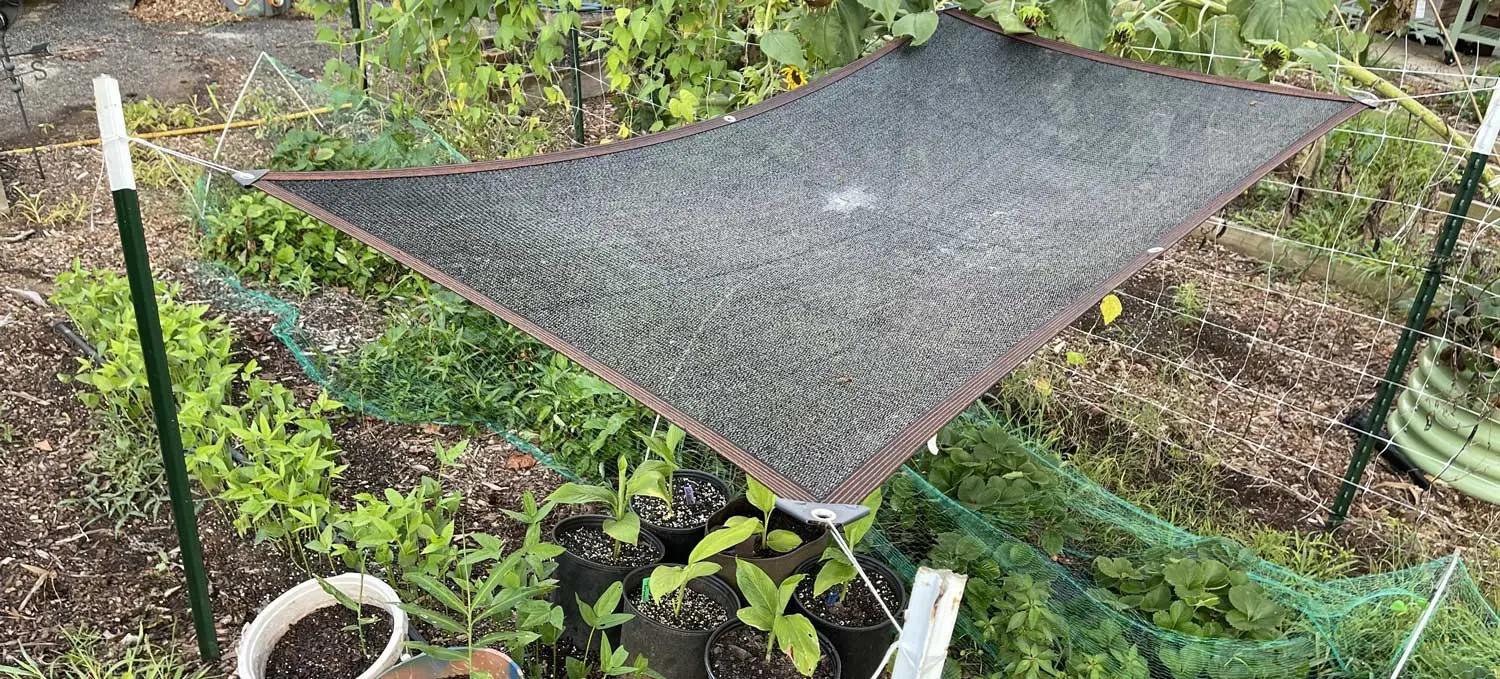
1. Agricultural Protection
Prevents sunburn or heat damage to fruits, vegetables, and flowers.
Shields crops from birds, insects, and other pests.
Promotes healthy growth in greenhouses and nurseries.
2. Greenhouse Climate Regulation
Controls light, humidity, and airflow within greenhouses.
Extends growing seasons for climate-sensitive crops.
Enables efficient cultivation in high-altitude areas such as the Peruvian Highlands.
3. Livestock and Poultry Applications
Provides shade for open-range livestock, reducing heat stress.
Controls lighting in poultry farms to increase egg production.
4. Construction and Infrastructure Sites
Reduces glare and high heat on construction sites.
Prevents debris from falling off scaffolding, enhancing safety.
Acts as a visual barrier and dust shield.
5. Landscaping and Urban Greenery
Protects seedlings and decorative plants in nurseries and city gardens.
Offers comfortable shade in parks and community green spaces.
6. Government Agricultural Projects
Used in government-funded greenhouses and reforestation programs.
Improves crop yield in climate-vulnerable regions.
Types of Shade Nets and Their Applications
Understanding the types of shade nets helps you select the right product for your specific needs:
Shade Net Type Shading Rate Typical Application Scenarios
35% Shade Net 35% shading Nurseries, seedling protection, partial shade
50% Shade Net 50% shading Vegetables, flowers, livestock farming
75% Shade Net 75% shading Hot climate greenhouses, ornamental plants
90% Shade Net 90% shading Carports, livestock pens, construction sites
Why B2B Buyers in Peru Choose Shade Nets
Here's why agricultural cooperatives, contractors, and government agencies invest in high-quality shade nets:
✅ UV Resistant – Withstands intense sun and UV exposure.
✅ Cost-Efficient – Reduces cooling and irrigation costs.
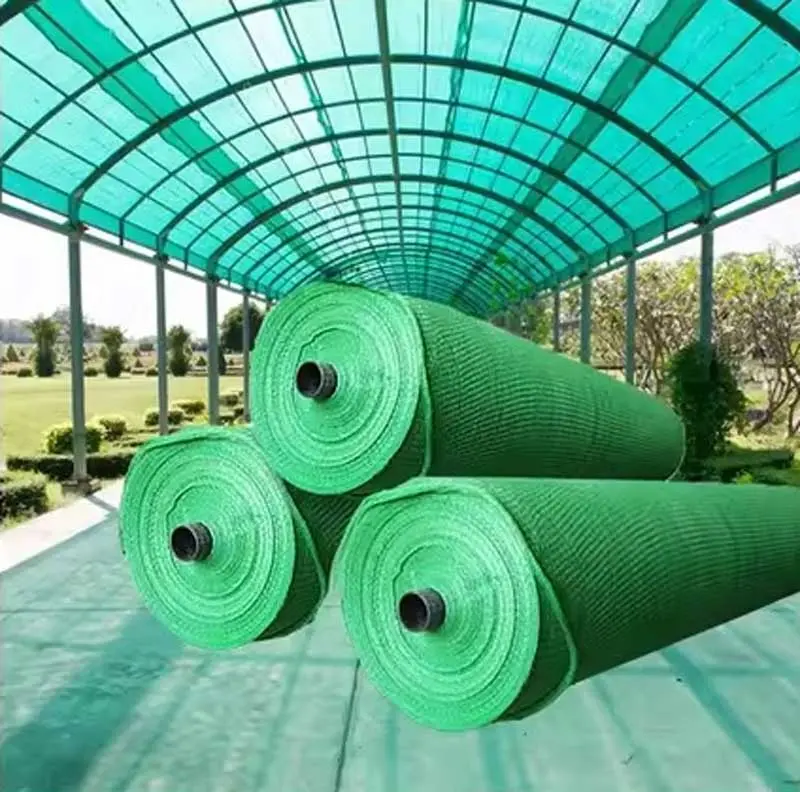
✅ Customizable Options – Available in various shading rates, widths, and roll lengths.
✅ Durable and Reusable – Tear-resistant, moisture-proof, and corrosion-resistant.
✅ Easy to Install – Lightweight and flexible for fast deployment.
How to Choose the Right Shade Net?
Choosing the correct shading rate and net fabric type is critical. Consider the following:
Application Type: Different crops and uses require different levels of light.
Geographic Location: Take into account the altitude and solar radiation in your region.
Specific Purpose: Is it for cooling, privacy, dust protection, or crop coverage?
Installation Method: Will it be temporary or permanent? Laid flat or installed vertically?
For example, a nursery near Lima may choose a 50% shade net for ornamental plants, while a high-altitude greenhouse in Arequipa may require a 75% shade net to combat strong sunlight.
Conclusion
Shade nets are indispensable tools for agriculture, landscaping, and construction in Peru. They offer critical environmental control, protect sensitive plants and equipment, and boost operational efficiency throughout the year. From city nurseries to highland greenhouses, choosing the right shade net helps optimize operations and protect your investment.
Frequently Asked Questions (FAQs)
Q1: What is the purpose of a shade net in agriculture?
A: Shade nets prevent overexposure to sunlight, reduce water evaporation, and help regulate growing temperatures.
Q2: How long does a shade net last?
A: High-quality HDPE shade nets typically last 3–5 years outdoors, depending on environmental conditions.
Q3: Can shade nets be used in construction?
A: Yes, shade nets are widely used at construction sites for sun protection, dust control, and safety purposes.
Q4: How do I choose the right shading rate?
A: It depends on the use—low shading rates for seedlings, high shading rates for privacy or heat protection.