Top Tips for Choosing the Best Residential Lawn Turf?
Choosing the right Residential Lawn Turf can significantly enhance your home's exterior. According to turf specialist Dr. Jane Smith, "A lush lawn starts with selecting the right type of turf for your environment." This decision affects not only aesthetics but also maintenance and longevity.
When considering Residential Lawn Turf, factors like climate, soil type, and usage are crucial. Different turf varieties thrive in varying environments. For instance, warm-season grasses love heat but may struggle in cooler regions. Meanwhile, cool-season grasses showcase their best growth during the spring and fall.
It’s essential to reflect on your lawn requirements. Do you want a vibrant green lawn for family gatherings, or a hardy grass for pets? Your choices should align with your lifestyle. Make informed decisions to ensure your lawn stays healthy and beautiful. A solid understanding of available options will lead to a satisfactory outcome.

Understanding the Different Types of Residential Lawn Turf Available
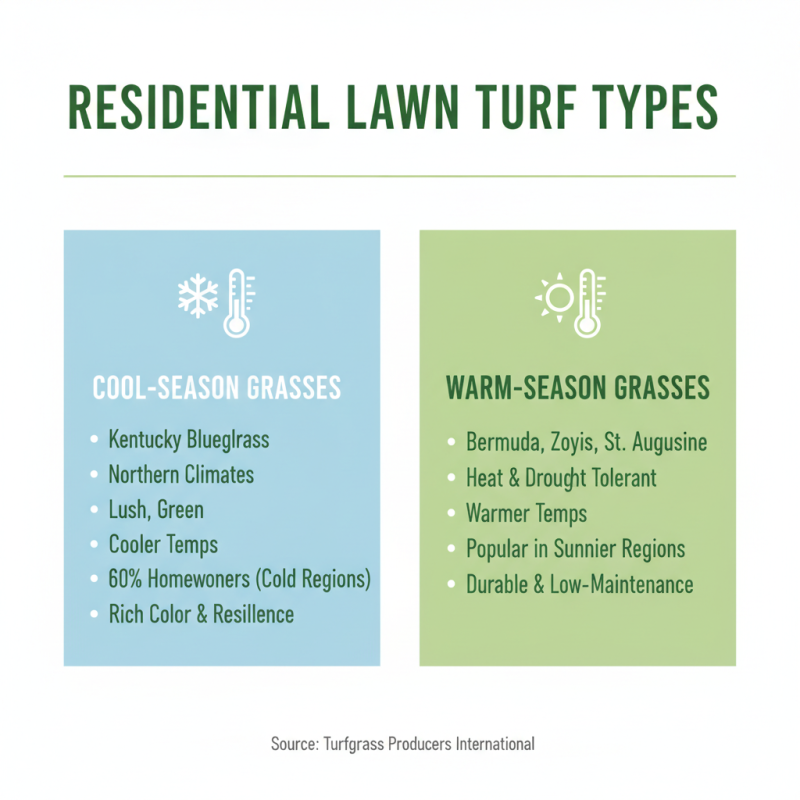
When considering residential lawn turf, it's essential to understand the various types available. Cool-season grasses, like Kentucky bluegrass, thrive in northern climates. They flourish during cooler temperatures, providing a lush, green lawn. According to the Turfgrass Producers International, around 60% of homeowners in colder regions opt for this type due to its rich color and resilience.
On the other hand, warm-season grasses, such as Bermuda and Zoysia, are favored in southern areas. These grasses grow best in heat, and they require well-draining soil. The National Association of Landscape Professionals reports that over 70% of southern homeowners choose warm-season varieties. Each type has its unique benefits and drawbacks. Establishing the ideal turf for your location is crucial for a thriving lawn.
A study by the Lawn Institute highlights that many homeowners often overlook soil compatibility. Choosing turf without considering soil conditions can lead to poor growth. A simple soil test can provide critical insights for selection. Understanding climate, soil type, and maintenance needs can lead to a beautiful, healthy lawn. Making informed decisions will minimize effort and maximize enjoyment.
Evaluating Soil Quality and Climate Considerations for Turf Selection
When selecting the best residential lawn turf, evaluating soil quality is essential. Healthy soil supports turf growth. Start by testing the pH level of your soil. Ideal levels range from 6.0 to 7.5. If your soil is too acidic or too alkaline, turf health suffers. Amend the soil with organic matter for better fertility.
Next, consider climate conditions. Different turf types thrive in varied climates. Warm-season grasses do well in hot, sunny areas. Cool-season grasses prefer cooler, moist conditions. Research which types suit your local weather patterns. It's important to match turf to your specific climate for optimal results.
A helpful tip is to observe your yard's sunlight exposure. Areas with full sunlight may require different turf than shadier spots. Also, take into account local rainfall. Lawns in drier regions need drought-resistant varieties. Proper turf selection aligns with both soil and climate. These choices play a significant role in achieving a lush lawn.
Assessing Maintenance Needs: Budgeting Time and Resources for Lawn Care
Choosing the right lawn turf requires careful consideration of maintenance needs. Before making a decision, assess how much time you can dedicate to lawn care. A lush, green lawn needs attention.
Can you commit to regular mowing, watering, and fertilizing? This question is vital.
Budgeting resources is just as important. Think about the tools you’ll need. A quality lawn mower, sprinkler system, and possibly a fertilizer spreader can add up quickly. You might find that your initial savings can lead to higher costs later.
It’s easy to overlook these expenses when selecting turf.
Reflect on the climate in your area. Some grass types thrive in certain conditions while struggling in others. Understanding your environment helps ensure the turf you choose won't require excessive effort. Many homeowners underestimate these factors, leading to regret later.
A lawn can be beautiful with the right choices, but it needs nurturing.
Choosing the Right Turf Based on Lawn Usage and Foot Traffic Levels
Choosing the right turf for your lawn involves understanding its usage and the amount of foot traffic it will endure. According to the American Turfgrass Association, areas with heavy foot traffic often require more durable grass types. For instance, cool-season grasses like Kentucky bluegrass thrive in cooler regions and can withstand moderate use, but wear-tolerant varieties like perennial ryegrass may be a better fit for high-traffic zones.
Consider how your lawn will be used. Is it for children to play? Is it for outdoor gatherings? Each scenario demands different grass characteristics. The National Lawn Care Association notes that lawns with heavy activity benefit from reinforced turf blends. These blends can resist trampling, recover faster, and maintain aesthetic appeal.
Tip: Test your soil first. Understanding the pH and nutrient levels can guide your choice of turf. Another important point is to assess your local climate. The right turf type for your environment will conserve water and energy.
Evaluate your lawn's microclimate too. Shady areas may need different turf than sunny spots. Over time, a mismatch in turf selection can lead to patchy growth. It's vital to reflect on how each factor influences your decision and choose the turf that best supports your lifestyle.
Top Tips for Choosing the Best Residential Lawn Turf Based on Usage and Foot Traffic Levels
Seeking Expert Advice: Consulting Professionals for Lawn Turf Recommendations
Choosing the right lawn turf is crucial for landscaping. Consulting professionals can greatly influence your choice. Experts provide insights tailored to your specific climate and soil conditions. According to the National Turfgrass Evaluation Program, over 50% of lawns fail due to improper turf selection. This statistic highlights the importance of expert advice.
Professional landscapers often recommend testing your soil before purchasing turf. Soil tests reveal pH levels and nutrient deficiencies. A well-advised choice can enhance your lawn's health and appearance. Keep in mind that not all turf varieties thrive in every environment. Knowledge about local climate and pest resistance plays a key role.
When meeting with a professional, be prepared with questions. Ask about maintenance requirements and expected growth rates. Understanding these aspects can save time and effort long-term. Many homeowners underestimate the significance of proper turf management. Ultimately, a well-informed decision leads to a vibrant and enduring lawn.
Top Tips for Choosing the Best Residential Lawn Turf
| Feature |
Type |
Best For |
Water Requirements |
Maintenance Level |
| Bermudagrass |
Warm-season |
Sunny areas, sports fields |
Moderate |
High |
| Fescue |
Cool-season |
Shaded areas, residential lawns |
Moderate |
Low to moderate |
| Kentucky Bluegrass |
Cool-season |
Lawns, parks |
High |
Moderate to high |
| Zoysiagrass |
Warm-season |
Residential lawns, high traffic |
Low |
Low |

 +86 19005411400+86 15006803065
 Contact Phone
 Contact Email