Top 10 Outdoor Turf Options for Your Lawn or Sports Field?
When it comes to enhancing outdoor spaces, choosing the right Outdoor Turf is crucial. Industry expert Dr. Laura Green, a renowned landscaper, emphasizes, "The right turf can transform any space into a vibrant oasis." Outdoor Turf options cater to various needs, from residential lawns to athletic fields.
Many homeowners and facility managers face a challenge in selecting ideal turf. The market is filled with choices, each boasting unique benefits. Some turf types may excel in durability, while others offer better aesthetics. It's important to understand your specific needs. An informed choice can make a significant difference.
Yet, not every option is perfect. Occasionally, consumers overlook factors like maintenance and climate adaptability. These details matter deeply. The right Outdoor Turf should not only be visually appealing but also sustainable and practical for long-term use. Navigating through options can indeed be daunting, but the potential rewards are worthwhile.
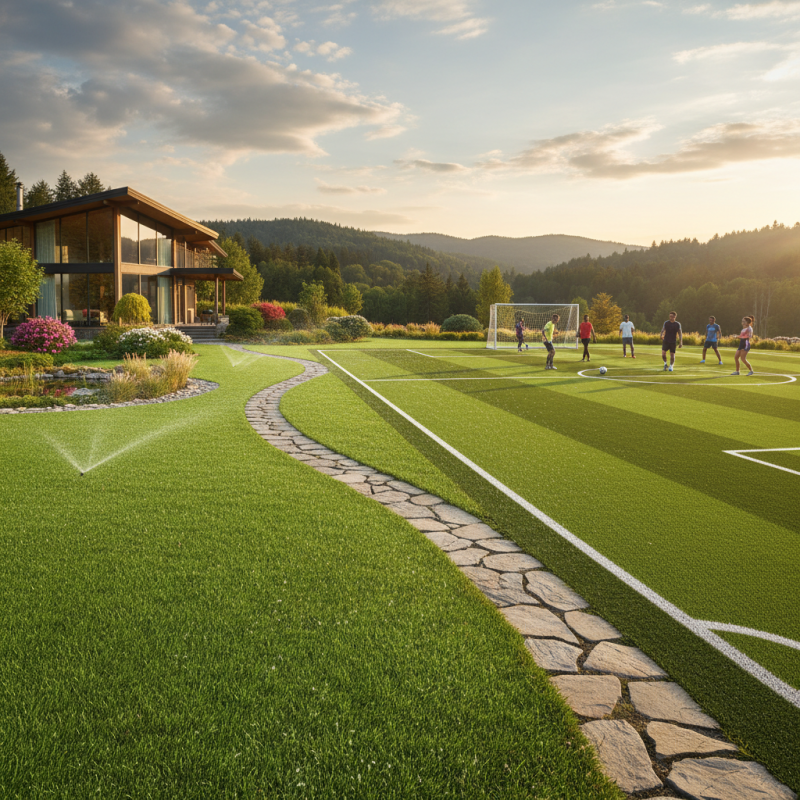
Types of Outdoor Turf: A Comprehensive Overview
When selecting outdoor turf, understanding the various types available is crucial. Natural grass is traditional, yet it demands considerable maintenance. An irrigation system, regular mowing, and pest control are essential. Studies show that maintaining natural grass can consume up to 1,500 gallons of water of water per week during hot months.
Artificial turf has gained popularity for its low maintenance and durability. Research indicates that artificial fields can last over a decade with minimal upkeep. These surfaces are designed to withstand heavy use, making them ideal for sports fields. However, issues like heat retention and limited drainage can arise.
Eco-friendly options are emerging now. They blend synthetic materials with organic components, aiming for sustainability. Their performance can be comparable to traditional artificial turf. Yet, they might require extra assessment to gauge their efficiency under various conditions.
Balancing performance and environmental impact is a key challenge in this evolving landscape.
Factors to Consider When Choosing Turf for Lawn or Sports Field
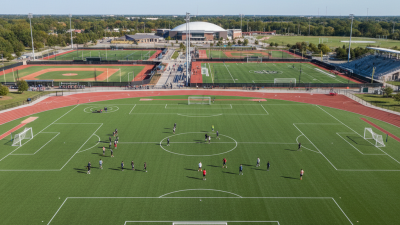
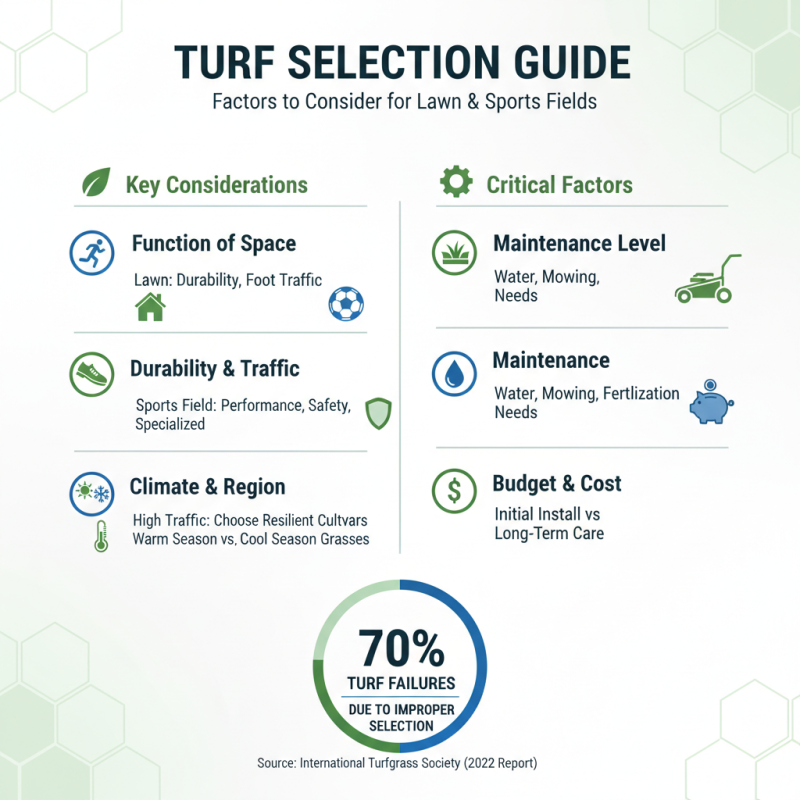
Choosing the right turf for your lawn or sports field requires careful consideration. The function of the space plays a crucial role. For example, recreational areas need durable turf that can withstand heavy foot traffic. On the other hand, professional sports fields may require specialized surfaces designed to enhance performance and safety. According to a 2022 report by the International Turfgrass Society, 70% of turf failures are due to improper selection.
Budget is another factor to weigh. Synthetic options are often more costly initially but may reduce long-term maintenance expenses. A 2023 study by Sports Field Maintenance Magazine found that synthetic turf can save up to 30% in maintenance costs over natural grass, highlighting its viability. However, sustainability practices should be considered alongside budgetary constraints. Natural grass promotes biodiversity and helps manage stormwater.
Climate and geography significantly influence turf choice. For instance, areas with extreme heat need drought-resistant varieties, while colder regions require hardy grasses. The USDA Plant Hardiness Zone Map can guide these selections, but local soil conditions must also be taken into account. Reflecting on past choices can lead to better outcomes. Overlooking local climates may result in subpar performance. Yet, with careful planning, the right turf can provide an attractive and functional space.
Top 10 Recommended Turf Options: Features and Benefits
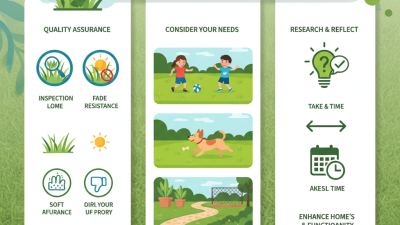
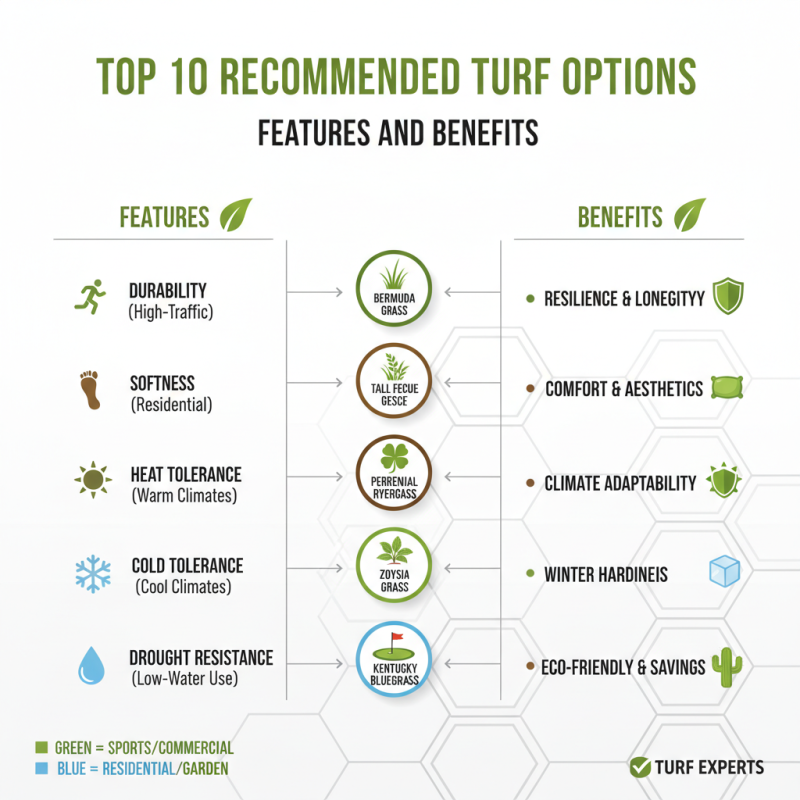
When selecting the right turf for your lawn or sports field, consider features and benefits carefully. Different types of turf offer unique advantages. Some are more durable, perfect for high-traffic areas. Others are soft and great for residential lawns, providing a comfortable feel.
Tip: Examine the local climate. Some turfs thrive in warm conditions, while others perform well in cooler temperatures. This will help you make an informed decision. Do you want vibrant green grass year-round? Look into synthetic options that require less maintenance. They resist fading and stay lush in various weather conditions.
Not all turf options are equal. Some may feel scratchy underfoot, which is not ideal for play. Regular maintenance is vital; some turfs may need frequent cleaning to stay appealing. However, some low-maintenance varieties are available. Take time to choose wisely. What works for one purpose might not suit another.
Installation and Maintenance Tips for Outdoor Turf
Installing outdoor turf can significantly enhance the quality of your lawn or sports field. However, proper installation is crucial for longevity. According to the Synthetic Turf Council, a well-installed turf can last between 8 to 15 years. Ideally, the base should consist of a 3-4 inch layer of crushed stone for proper drainage. Be sure to compact this base thoroughly, ensuring a flat and stable surface.
Maintenance plays a key role in preserving the turf's appearance. Regularly brush the surface to prevent compacted fibers. It is suggested that you check for debris weekly. A report from the American Sports Builders Association shows that routine maintenance can extend turf life by up to 25%. Use a leaf blower instead of rakes to avoid damaging the fibers. Also, consider infill replenishment every few years to maintain tuft stability and performance.
Moreover, even the best installations can exhibit issues over time. For instance, seams may become visible, or uneven wear can appear beneath high traffic areas. Addressing these problems promptly is essential. Regular inspections will help catch any areas needing attention before they worsen. Ignoring maintenance could lead to costly repairs—a risk not worth taking when caring for your turf.
Top 10 Outdoor Turf Options for Your Lawn or Sports Field
The chart below showcases the popularity and durability ratings of various outdoor turf options, aiding in the decision-making process for selection and maintenance.
Cost Analysis: Budgeting for Your Turf Project
When planning your turf project, it’s essential to consider costs upfront. Turf options vary widely in price. Natural grass treatments may save money initially but require ongoing maintenance. In contrast, synthetic turf presents an upfront cost that might seem hefty. Yet, it often needs less maintenance over time.
Tips: Always get multiple estimates. This is key to understanding your local market. Unexpected hidden fees can add up quickly. Pay attention to installation costs. Many overlook this aspect, thinking the turf price is all they need to consider.
Factor in water costs, too. Synthetic options reduce water usage, which is a plus. However, natural grass can lead to higher costs during drought seasons. Consider your climate when making decisions. Reflecting on seasonal changes might change your preferences.
Budgeting effectively can make or break your turf project. Don’t forget about the long-term costs versus initial investments. Evaluate durability and lifespan as part of your decision-making. It’s crucial to strike a balance between aesthetics and functionality.

 +86 19005411400+86 15006803065
 Contact Phone
 Contact Email