How to Install an Artificial Turf Lawn for a Lush Green Yard?
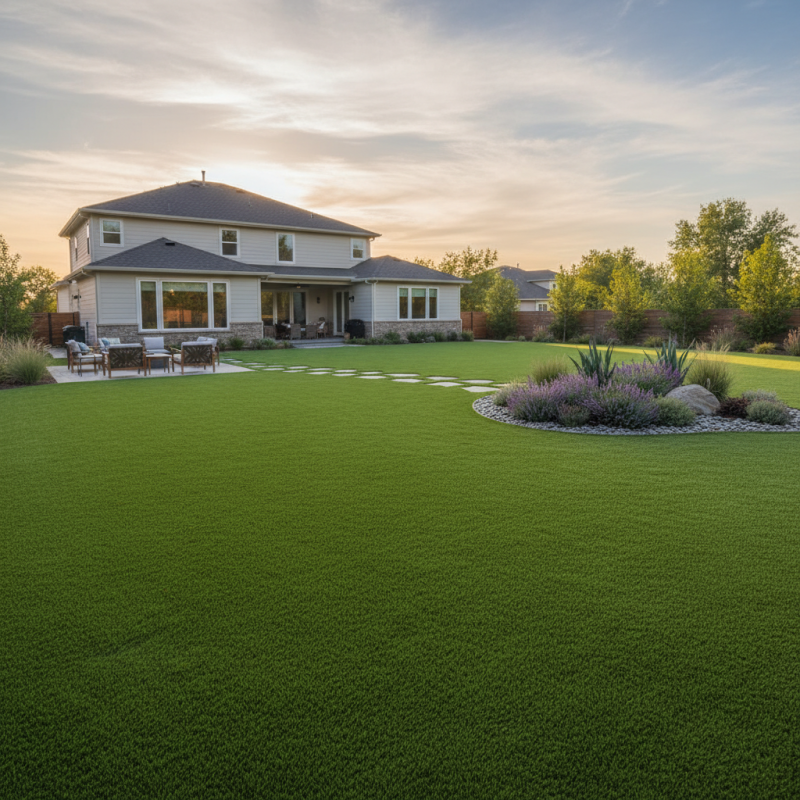
Creating an inviting outdoor space often begins with the right choice of lawn. An Artificial Turf Lawn offers a vibrant green look all year round. It requires less maintenance than natural grass, making it a popular option for many homeowners.
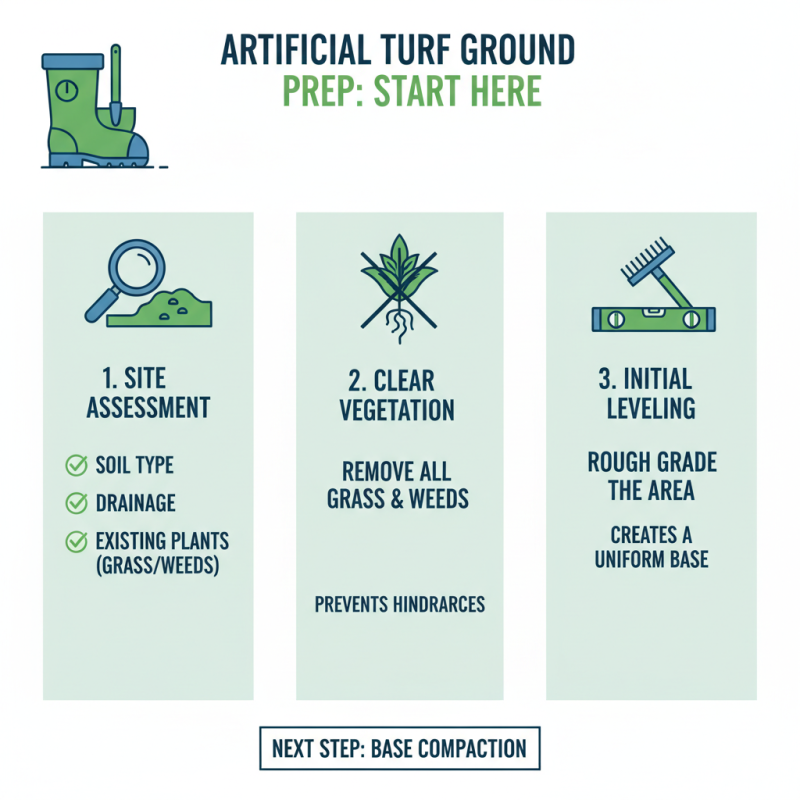
Installing this type of lawn can be straightforward, but there are important steps to consider. The preparation phase is crucial. Ensure the ground is level and free of debris. This attention to detail will pay off in the long run. Without proper preparation, you might face uneven surfaces or drainage issues.
Choosing quality materials can also be tricky. Not all artificial turfs are created equal. Some may look good initially but wear down quickly. Researching and selecting the right product is essential. Embrace the journey, and don't rush the process. A well-installed Artificial Turf Lawn can transform your yard into a lush paradise.
Choosing the Right Type of Artificial Turf for Your Lawn
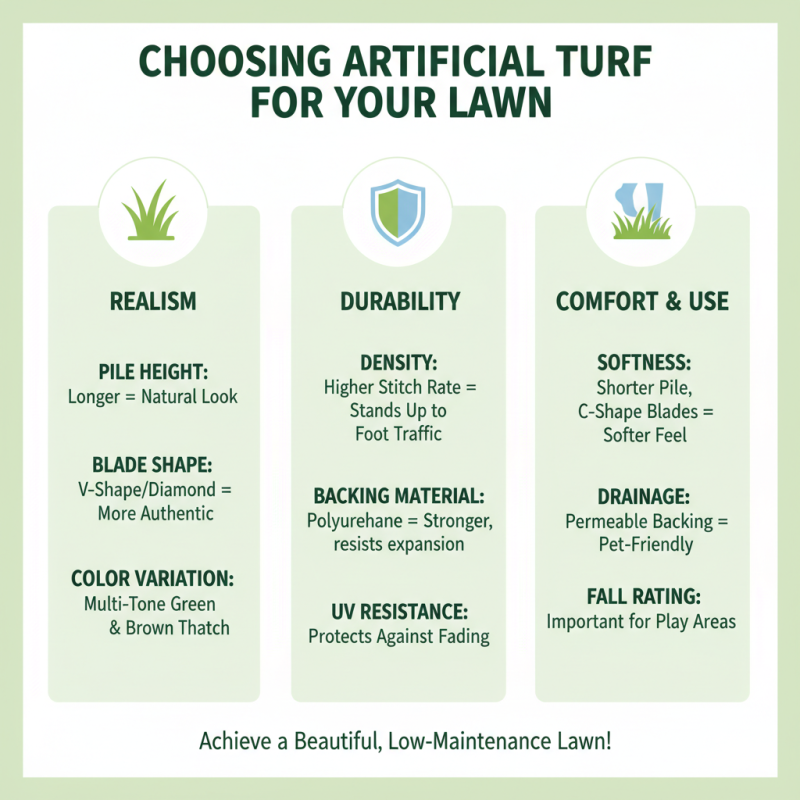
Choosing the right type of artificial turf for your lawn is crucial for achieving that lush green look. Many factors come into play. You need to consider the turf's pile height, density, and overall appearance. Different types have unique characteristics. Some may look more realistic, while others offer durability.
When selecting turf, think about your usage. If kids play frequently, opt for a durable type. For a decorative lawn, you might choose a softer option. Always check the materials used. Some can feel rough underfoot, while others are plush.
**Tips:** Measure your space before purchasing. Know the area you want covered. Not all turf fits every lawn. Research various colors too. A uniform shade may suit a modern aesthetic, while mixed tones can provide depth.
Don’t forget about drainage. Ensure the turf you choose allows for efficient water flow. Poor drainage can lead to soggy spots. It’s important to match the turf with your climate as well. Some materials may degrade faster in harsh sunlight.
**Tips:** Visit showrooms if possible. Touch the turf to gauge quality. Online photos can be misleading. Ask for samples to see how they look in your space. Take your time and reflect on your needs. A well-planned choice can save money in the long run.
Installing a Base Layer: Materials and Techniques Explained
Installing an artificial turf lawn begins with a solid base layer.
This step is crucial for a long-lasting, lush lawn.
Begin by measuring your yard to determine how much base material you need.
Typically, crushed stone or decomposed granite works well.
Aim for a depth of 3 to 4 inches for optimal drainage.
While laying the base, make sure to compact the material evenly.
This prevents future settling, which can create uneven surfaces.
Use a plate compactor for best results.
If your lawn has dips, you’ll need to add more material.
Filling these areas is essential; otherwise, the turf may sag over time.
Tips: Always check for proper drainage. Water should not pool on your lawn.
Consider adding a weed barrier fabric over the base layer to prevent grass and weeds from growing through.
Remember, take your time during this phase.
Rushing can lead to mistakes. Ensure everything is level before laying the turf.
Uneven surfaces may require a redo. This initial work lays the foundation
for your beautiful green yard.
Laying Down the Turf: Step-by-Step Installation Process
Preparing your yard for artificial turf involves careful planning. Begin by measuring the area where you want to install the turf. According to the Synthetic Turf Council, around 85% of homeowners prefer synthetic grass for its low maintenance benefits. It's crucial to note that proper installation impacts longevity and performance.
Next, you'll want to clear the area of debris and sod. This step can be time-consuming but is essential. Dig down about 3-4 inches to create a solid base. Experts recommend using crushed granite or decomposed granite as a base layer. Aim for at least 2-3 inches of this material, which allows for proper drainage. Inadequate drainage can lead to problems down the line, such as water pooling and turf damage.
Once your base is set, you can begin laying the turf. It's crucial to allow the turf to acclimate outside for a few hours. This process minimizes wrinkles once it's laid down. Ensure that seams are tightly aligned to avoid visible gaps. Some may overlook infill material, but it plays a vital role in maintaining turf stability. Without it, the grass can become matted. Be mindful of your installation process to achieve a lush and vibrant lawn.
How to Install an Artificial Turf Lawn for a Lush Green Yard? - Laying Down the Turf: Step-by-Step Installation Process
| Step |
Description |
Materials Needed |
Estimated Time |
| 1 |
Measure the area where the turf will be installed. |
Measuring tape, stakes, string |
1 hour |
| 2 |
Excavate the area to a depth appropriate for the turf. |
Shovel, wheelbarrow |
2-4 hours |
| 3 |
Install a weed barrier fabric to prevent weeds. |
Weed barrier fabric, scissors |
1 hour |
| 4 |
Add a base layer of crushed stone for drainage. |
Crushed stone, rake, compactor |
2-3 hours |
| 5 |
Lay down the artificial turf, ensuring it fits the area. |
Artificial turf, utility knife |
1-2 hours |
| 6 |
Secure the turf with nails or staples. |
Nails or staple gun |
1 hour |
| 7 |
Add infill material to enhance the turf. |
Infill material, spreader |
1 hour |
| 8 |
Brush the turf to stand up the fibers. |
Broom or turf brush |
30 minutes |
Maintaining Your Artificial Turf for Longevity and Aesthetics
Maintaining artificial turf is vital for its longevity and appealing look. Regular cleaning is essential. Rinse off debris and dirt weekly. Use a leaf blower for easy removal. This keeps your lawn looking fresh and vibrant. If you notice stains, treat them quickly. Mild soap and water can often do the trick.
In addition, infrequent grooming helps restore the turf’s upright fibers. This process can be overlooked but is crucial for aesthetics. Once a month, use a stiff brush. This can elevate the fibers and prevent matting. Be careful not to damage the surface while brushing.
Lastly, check for any loose seams or damage periodically. Addressing these issues early can save you from bigger problems later. While artificial turf is low-maintenance, neglect can lead to unexpected headaches. Regular upkeep ensures your lawn stays beautiful and functional.
Artificial Turf Maintenance Comparisons

 +86 19005411400+86 15006803065
 Contact Phone
 Contact Email