Iquiry Now
Leave Your Message

How to Choose the Best Artificial Lawn Grass Turf?

Choosing the right Artificial Lawn Grass Turf is not simply a color decision. It affects comfort, drainage, appearance, maintenance, and long-term cost. Grand View Research estimated the global artificial turf market at approximately USD 3.9 billion in 2022. It also projected continued growth through 2030, driven by landscaping, sports, and water-saving applications. Market growth sounds impressive. However, it does not prove that every product performs well.

A useful warning comes from Rick Doyle, former president of the Synthetic Turf Council: “Synthetic turf is not maintenance-free; it is maintenance-different.” That distinction matters beside a patio, beneath children’s shoes, or around a dog’s drinking bowl. Good turf should have durable polyethylene yarn, a stable backing, effective drainage holes, and suitable UV protection. Infill also deserves attention. Sand, rubber, and organic alternatives behave differently under heat and heavy use. The best choice depends on the site, not only the sample’s bright green color.

This guide compares pile height, face weight, blade shape, backing quality, infill, warranties, and installation requirements. It also considers heat retention and cleaning routines, because attractive turf can still become uncomfortable or difficult to maintain. Reports from Grand View Research and MarketsandMarkets show strong industry expansion, yet their figures use different definitions and forecasting methods. That limitation deserves honesty. Ask for laboratory results, product specifications, and installation references before buying. A cheaper roll may look convincing today. It may not remain convincing after years of sunlight, traffic, rain, and imperfect maintenance.
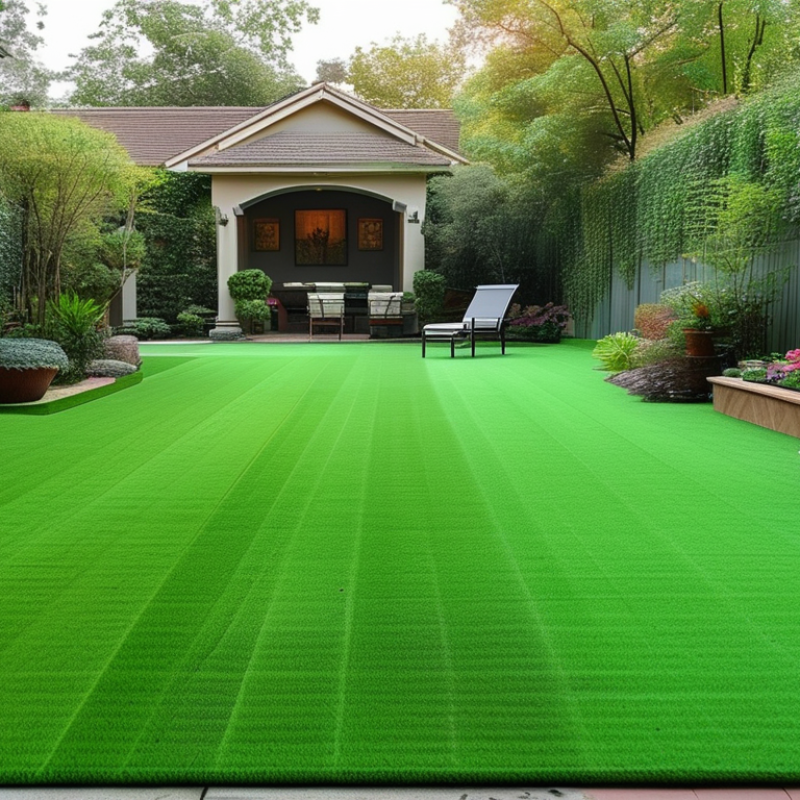
How to Choose the Best Artificial Lawn Grass Turf?

Understanding Artificial Lawn Grass Turf and Its Main Applications

How to Choose the Best Artificial Lawn Grass Turf?

Understanding Artificial Lawn Grass Turf and Its Main Applications

Artificial lawn grass turf is a layered surface, not simply plastic grass. Its backing, yarn, infill, and drainage system work together. A residential garden may need soft fibers, strong UV resistance, and safe drainage around children’s play areas. A commercial courtyard usually needs better traffic tolerance. Sports spaces require stable seams, controlled ball response, and suitable shock absorption.

The global artificial turf market is expanding steadily. Grand View Research projects a compound annual growth rate of about 6.8% from 2024 to 2030. The report identifies landscaping and sports as important application areas. Market research from Fortune Business Insights also reports rising demand for low-maintenance outdoor surfaces. These figures indicate growth, but they do not prove every turf product performs equally.

Start with the ground beneath the turf. Poor sub-base preparation can create puddles, wrinkles, and unpleasant odors. Check local rainfall, daily foot traffic, sunlight, and intended use. A thick pile may look luxurious, yet it can flatten under furniture. Darker fibers often become hotter in direct summer sun. That detail is easy to miss. No artificial lawn is maintenance-free; brushing, debris removal, and occasional rinsing remain necessary. I would also question exaggerated “lifetime” claims, because fading and seam movement depend heavily on installation quality.
Assessing Your Space, Usage Needs, and Installation Conditions

Choosing the best artificial lawn starts with measuring your space, not browsing colors. Record the length, width, slopes, drainage points, and areas shaded by walls or trees. A small balcony may need a lightweight surface with simple edging. A family garden needs stronger fibers, stable backing, and comfortable underfoot cushioning. Take photographs after rain. They can reveal puddles that dry weather hides.

Usage determines the turf structure. For children or pets, choose resilient fibers that recover after repeated traffic. Dense, shorter blades are usually easier to clean around play areas. If furniture will remain outside, check whether the backing can tolerate pressure without creating permanent dents. Heavy foot traffic near doors may require a firm base and secure seams. I have seen attractive turf fail because the entrance was underestimated.

Installation conditions matter just as much. Soil should be excavated, compacted, and shaped toward a suitable drainage route. On concrete, inspect cracks and confirm that water can escape. Uneven ground will eventually show through the surface. Do not ignore temperature changes; materials can expand in strong sunlight. Leave suitable movement space around edges, then secure the perimeter correctly. Professional installers commonly check base depth and compaction before laying turf, because weak preparation causes ripples and sinking. My own planning mistake would be trusting a level-looking surface without using a straightedge. It looked fine at first. After rain, it did not.

How to Choose the Best Artificial Lawn Grass Turf? - Assessing Your Space, Usage Needs, and Installation Conditions
Assessment Dimension Typical Site or Usage Condition Recommended Turf Characteristics Installation and Maintenance Implications Priority
Available Area Small patios, balconies, narrow side yards, or areas below approximately 50 m² Short to medium pile height of about 25–35 mm; lightweight backing and easy-to-cut rolls Plan roll layout carefully to reduce seams and offcuts. Secure edges against wind movement, especially on balconies and exposed patios. High
Large Residential Lawn Open garden used for general recreation, entertaining, and visual appeal Medium pile height of about 30–40 mm with mixed green blade tones and moderate to high stitch density A well-compacted sub-base helps prevent settlement. Add a suitable shock-absorbing or weed-control layer where required by the site. High
Children’s Play Area Regular play, crawling, running, and occasional falls Soft, resilient turf with a stable backing; pair it with a tested impact-absorbing underlay or compliant safety system Safety performance depends on the complete installed system, not turf alone. Keep the surface clean and inspect seams and edges regularly. Very High
Pets and Animal Use Pet traffic, digging attempts, and repeated urination in selected areas Perforated or highly permeable backing, durable fibers, strong seam construction, and easy-rinse surface Provide a free-draining sub-base. Remove solid waste promptly and rinse affected areas to reduce odor and residue buildup. Very High
High Foot Traffic Frequent walking, outdoor furniture, gatherings, or repeated pathways Dense, resilient fibers with good recovery after compression; a medium pile is generally easier to maintain than an extra-long pile Use a stable, compacted base and strong perimeter restraint. Brush flattened areas periodically and use protective pads under heavy furniture. High
Low Foot Traffic Decorative garden, display area, or seasonal use Appearance-focused turf with a suitable pile height and color blend; extreme durability may be less important Prioritize color stability, drainage, and neat edge finishing. Occasional brushing and debris removal are usually sufficient. Medium
Sun Exposure Full sun for most of the day or strong reflected heat from walls and paving Fibers and backing designed for outdoor UV exposure; lighter surface colors can feel cooler than very dark colors Check the product’s stated UV-resistance information. Avoid placing heat-reflective glass or polished surfaces directly beside the turf where possible. High
Shade and Limited Sunlight Areas beneath trees, beside tall buildings, or under covered structures Turf with effective drainage and a color blend suited to lower-light conditions Remove leaves and organic debris often because shade slows drying. Check the sub-base for persistent dampness and moss growth. High
Rainfall and Drainage Heavy rainfall, clay soil, low-lying ground, or an area with slow runoff Permeable backing with drainage holes and a product flow rate appropriate for local rainfall and site conditions Correct falls, a free-draining aggregate sub-base, and adequate outlet capacity are essential. Turf cannot compensate for an inadequate drainage system. Very High
Existing Surface Soil, concrete, paving, decking, or another hard surface Choose backing, underlay, and fixing methods compatible with the existing surface Soil installations usually need excavation and a compacted sub-base. Hard surfaces need a clean, level substrate and may require drainage channels or an underlay. Very High
Slope and Ground Stability Sloping lawn, embankment, loose soil, or ground exposed to movement Flexible turf with secure backing and installation accessories suitable for slope restraint Stabilize the base before laying the turf. Use sufficient perimeter fixing and secure seams to limit shifting, wrinkling, and water-channel erosion. Very High
Pile Height Selection based on appearance, softness, traffic, and cleaning effort About 20–30 mm for compact areas; 30–40 mm for general residential use; longer piles require more grooming Longer fibers can look lush but may flatten more visibly under traffic and furniture. Consider infill and brushing requirements before choosing the height. Medium
Blade Density and Recovery Need for a full appearance and resistance to visible flattening Higher stitch density and resilient blade profiles generally provide better coverage and recovery Compare samples by walking on them, compressing the fibers, and checking how quickly they return upright. Density alone does not replace a stable base. Medium
Climate and Temperature Hot summers, freeze-thaw cycles, or wide seasonal temperature changes Outdoor-rated materials, UV-resistant fibers, and backing that remains stable across expected temperatures Allow materials to acclimate before installation where recommended. Provide expansion allowances and avoid trapping water beneath the backing. High
Cleaning and Maintenance Capacity Limited time for maintenance or frequent leaf, dust, and pet debris Simple drainage design, durable fibers, and a surface that can be rinsed and brushed without damage Remove leaves regularly, rinse spills, brush high-traffic zones, and inspect seams, edges, and drainage paths at least seasonally. Medium
Installation Skill and Budget DIY project, professional installation, or a site requiring extensive preparation Choose a system whose cutting, joining, edge restraint, infill, and sub-base requirements match the available skills and budget Include excavation, waste, base material, joining tape, adhesive, fasteners, infill, delivery, and future maintenance in the total project cost. Very High
Selection Rule: Prioritize drainage, ground stability, safety, and traffic resistance before choosing color, softness, or pile height. The best artificial lawn is the turf system that matches both the site conditions and the way the space will be used.

Comparing Turf Quality, Materials, Durability, and Appearance

How to Choose the Best Artificial Lawn Grass Turf?

Turf quality starts with the yarn, backing, and stitch density. High-quality blades should stand upright after gentle pressure. They should also feel resilient, not brittle or excessively shiny. Feel the backing. A strong backing resists tearing and helps maintain shape during installation. Polyethylene fibers usually offer a softer, more natural touch, while polypropylene can provide useful texture and definition. Some products combine materials for balance. Check the pile height carefully. Very tall blades may look luxurious but can flatten faster in busy areas.

Durability depends on sunlight, foot traffic, pets, drainage, and maintenance. Ask for ultraviolet protection and test samples outdoors when possible. A sample may look perfect indoors but fade under strong sunlight. I once judged turf mainly by softness and underestimated how quickly heavy furniture could crush it. That mistake changed my selection process. Press the fibers, bend the backing, and inspect the seams. Turf for a playground needs different performance from turf around a quiet balcony. Good drainage also matters, especially after heavy rain. A blocked base can create unpleasant odors and uneven surfaces.

Appearance should include color variation, blade shape, thatch, and density. Uniform green often looks artificial from a short distance. Mixed tones and curled fibers create a more convincing surface. Look closely. Compare samples beside real plants, not only under showroom lighting. Also consider the surrounding walls and natural light. Dark turf may appear rich in shade but harsh in direct sun. No sample tells the whole story, so requesting a larger piece is worth the extra effort.

How to Choose the Best Artificial Lawn Grass Turf?

This comparison rates the three most common synthetic turf fiber materials on a relative 1–5 scale. Polyethylene generally offers the most natural appearance and softness, nylon provides the highest resilience, and polypropylene is a practical option for lighter-use areas.

Scores are comparative guidance based on typical material characteristics. Actual performance also depends on pile height, yarn density, backing quality, drainage, UV exposure, installation, and maintenance.

Checking Drainage, Maintenance Requirements, Safety, and Environmental Factors

Choosing artificial lawn grass should begin beneath the blades, not with color. A well-designed drainage system prevents puddles, odors, and unstable footing after rain. Inspect the backing for evenly spaced holes, then check whether the base slopes away from buildings. Water reveals everything. Before installation, pour a bucket across several areas and watch how quickly it disappears. Slow drainage may indicate compacted soil, poor aggregate, or an unsuitable backing.

No surface is maintenance-free. Remove leaves with a soft rake, rinse dust regularly, and brush flattened fibers against traffic patterns. For pets, clean waste promptly and use enough water to dilute urine deposits. Ask installers about infill composition, cleaning instructions, and replacement procedures. I once assumed less mowing meant no work; that assumption made a small neglected area smell.

For children, prioritize tested impact performance, secure edges, and a stable, nonabrasive surface. Check heat retention in direct sun, especially where bare feet or pets will play. Environmental choices require honest comparison. Artificial turf can reduce irrigation, yet it may add plastic waste and surface heat. Prefer documented recycled content, durable construction, and a realistic end-of-life plan. Do not trust vague environmental claims; request independent test reports and installation specifications. A local climate assessment matters more than attractive samples.

Evaluating Costs, Warranties, and Installation Options Before Choosing

Choosing artificial lawn grass turf requires more than comparing roll prices. I have seen low-cost turf become expensive after extra edging, delivery, and waste charges. Request an itemized quotation covering materials, ground preparation, drainage, labor, removal, and tax. A reliable installer should explain the expected lifespan under your local weather and foot traffic.

Warranty terms deserve careful attention. Check whether the warranty covers fading, fiber damage, backing failure, and manufacturing defects. Some warranties exclude poor drainage, harsh cleaning chemicals, pets, or incorrect installation. Read every clause. Ask who handles claims and whether labor is included. A longer warranty sounds safer, but vague exclusions can make it less useful. I once focused too heavily on coverage length and overlooked maintenance conditions.

Installation quality often determines how the turf performs. Professional installation usually includes excavation, compacted aggregate, leveling, drainage checks, secure edges, and carefully joined seams. DIY installation may reduce labor costs, but uneven soil can create puddles and visible ripples. Ask for photographs of similar completed projects and details about the installer’s preparation method. Get it in writing. If the site has clay soil, tree roots, or frequent rainfall, request a tailored drainage plan rather than a standard package. Allow for future repairs, too; replacing one damaged section may expose color differences.