What is Green Turf and How is it Used in Landscaping and Sports?
Green Turf has transformed the landscaping and sports industries significantly. Reports indicate that the global market for artificial turf is projected to reach $5.4 billion by 2025. This rapid growth reflects its increasing adoption in various settings. Green Turf offers a sustainable alternative to natural grass, requiring less water and maintenance. It is particularly beneficial in regions facing water scarcity.
In the realm of sports, Green Turf enhances playability and safety. Studies reveal that synthetic surfaces can reduce injuries by over 30%. This statistic draws attention from athletic organizations that prioritize player welfare. However, not all synthetic grass is created equal. Concerns over heat retention and environmental impact showcase the need for industry improvements.
While Green Turf can provide aesthetic and functional benefits, it is not without drawbacks. Durability varies by material, and some installations may wear down quickly. This highlights the importance of choosing the right type of turf for specific applications. Buyers must conduct thorough research to ensure that their investment offers long-term benefits.
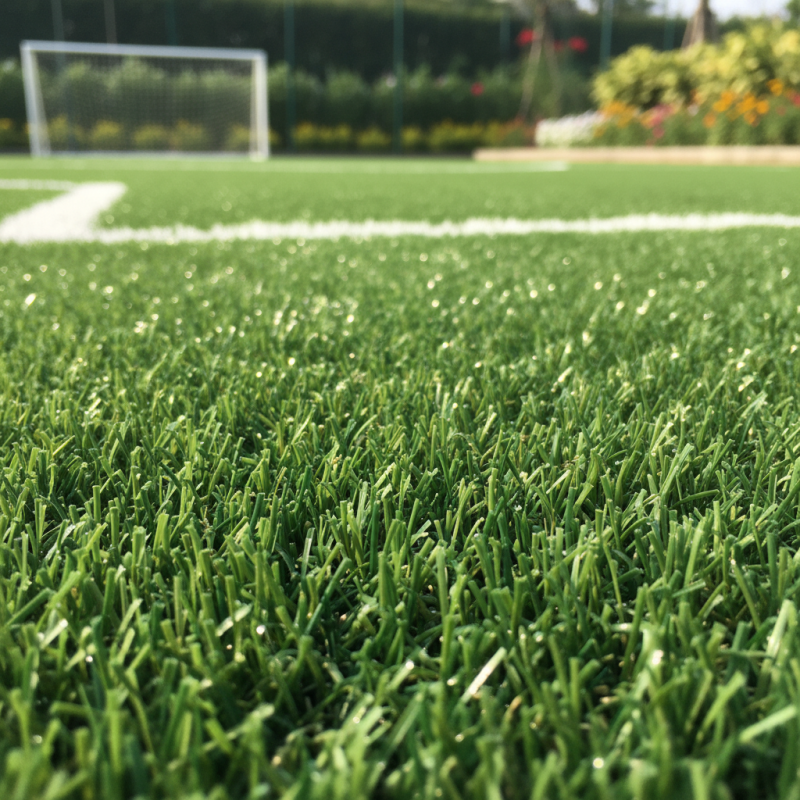
What is Green Turf and Its Types in Landscaping and Sports Sectors
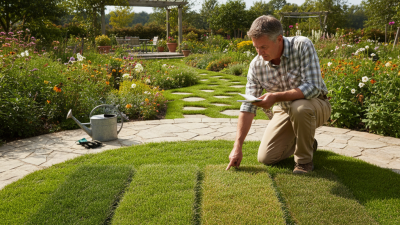
Green turf is a popular choice in landscaping and sports.
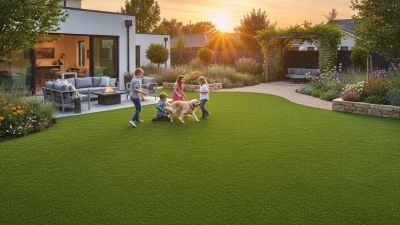
It provides a lush, vibrant look to gardens and parks. Many homeowners prefer it for its aesthetic appeal.
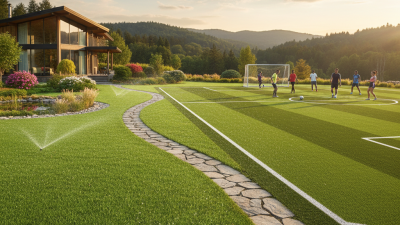
In sports, it serves as a reliable surface for various activities, from soccer to golf. Grass helps with drainage and prevents muddy conditions, promoting playability.
There are different types of green turf available for specific purposes.
For instance, synthetic turf offers durability and low maintenance.
It withstands heavy wear and doesn't require watering or mowing.
Natural grass, on the other hand, provides a soft, organic feel.
It's often selected for residential use and some sports fields. However, natural grass demands more care and regular upkeep.
Choosing the right type of turf can be challenging.
Some may favor looks over practicality. Others might undervalue the long-term costs involved.
It's essential to carefully weigh these factors. Each option has its pros and cons.
Research and expert advice can guide better decisions for landscaping and sports needs.
Benefits of Using Green Turf in Residential and Commercial Spaces
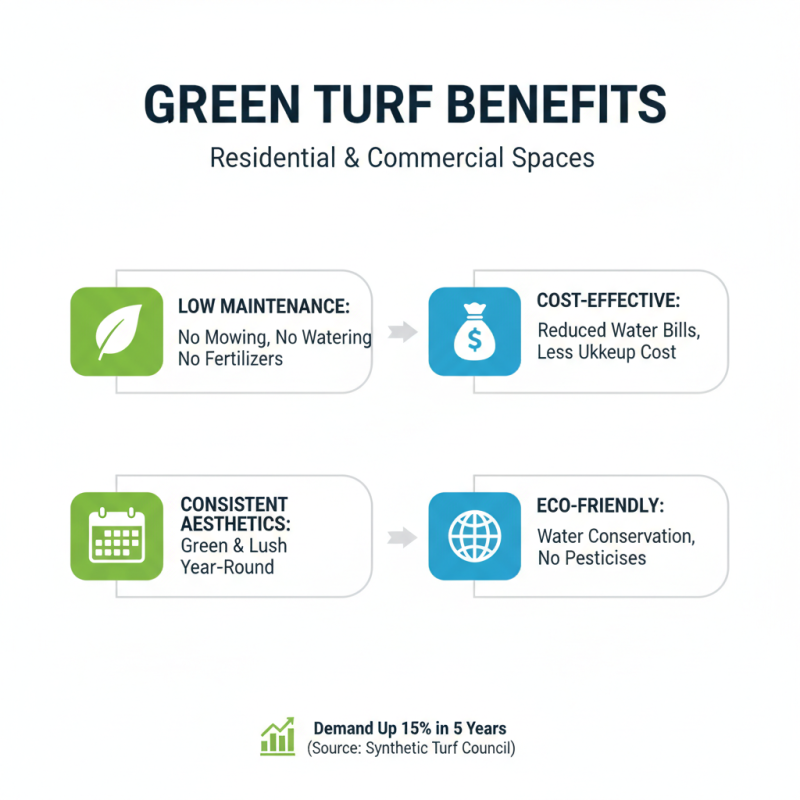
Green turf is gaining popularity in residential and commercial spaces for several compelling reasons. According to a report by the Synthetic Turf Council, the demand for artificial grass has increased by 15% in the last five years, highlighting its appeal among homeowners and businesses. This grass alternative offers consistent aesthetics year-round, without the hassle of maintenance associated with traditional lawns.
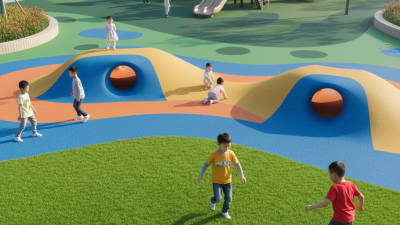
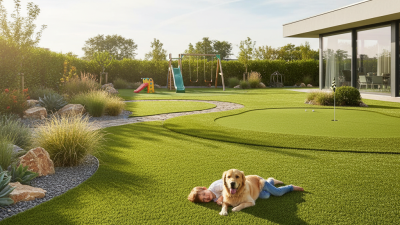
One significant benefit is water conservation. Landscaping with green turf can reduce water usage by up to 70%, according to a study from the Environmental Protection Agency. In drought-prone areas, this advantage becomes crucial. Additionally, green turf provides a safe surface for children and pets, minimizing the risks of allergens and pesticides typically found in natural grass.
While many appreciate these benefits, some concerns exist. The initial investment for installation can be high. Some critics point out potential heat retention issues during summer months. Regular cleaning is also necessary to maintain its appearance. Exploring these facets ensures that users can make informed decisions tailored to their specific needs.
Key Factors Influencing Green Turf Installation and Maintenance Costs
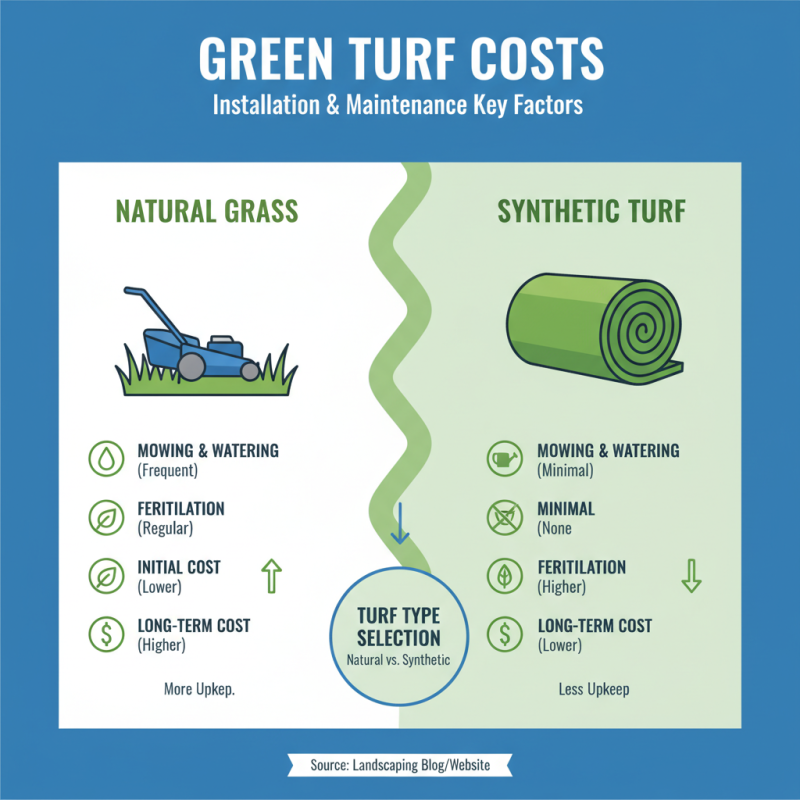
When considering green turf for landscaping, various factors affect its installation and maintenance costs. One significant aspect is the type of turf selected—natural grass versus synthetic options. Natural grass requires more frequent upkeep. This includes mowing, watering, and fertilization. Synthetic turf, while generally higher in initial costs, can reduce long-term maintenance expenses.
Another cost influencer is site preparation, which varies greatly. Uneven terrain may require grading, increasing labor and material costs. Soil quality also plays a role. Soil that lacks nutrients may necessitate additional treatments. Environmental factors should be examined as well. For instance, local climate can determine the type of grass that will thrive, subsequently affecting costs.
Water availability is often overlooked but critical. If irrigation systems are needed, this adds to overall expenses. Labor costs also fluctuate based on complexity and local market rates. Checking for hidden costs is necessary before installation. Budgeting for unexpected expenses can save significant stress later. Ultimately, understanding these factors can lead to informed decisions regarding green turf installation and its upkeep.
Comparative Analysis of Natural Grass vs. Synthetic Turf Performance
Natural grass and synthetic turf both have their unique advantages and limitations in landscaping and sports. Natural grass provides an authentic feel and excellent shock absorption. Reports show that natural surfaces can reduce injuries by up to 50%. However, natural grass requires consistent maintenance, including watering, mowing, and fertilizing. Some areas face challenges, like inconsistent growth due to weather conditions.
In contrast, synthetic turf offers durability and low maintenance. It can withstand heavy usage, making it ideal for sports complexes. A study by the Sports Turf Managers Association indicated that synthetic surfaces absorb more energy upon impact than natural grass. However, heat retention can be a concern. Synthetic turf may reach higher temperatures, posing risks for players.
Tips: Regular inspections of both surface types can help identify problems early. For natural grass, consider investing in soil health tests. For synthetic turf, ensure proper cleaning to prevent debris accumulation. Balancing aesthetics and performance is essential for either surface type. Each option has its trade-offs, and awareness can guide better decision-making.
Green Turf Innovations: Eco-Friendly Solutions and Their Future Impact
The landscape and sports industries are experiencing a transformative shift toward green turf innovations. These eco-friendly solutions aim to enhance environmental sustainability. According to the Sports Turf Research Institute, adopting synthetic turf can reduce water use by up to 80% compared to natural grass. This shift is particularly beneficial in drought-prone regions.
As municipalities and organizations invest in these green options, it's important to consider long-term impacts. Quality turf not only conserves resources but also reduces the need for pesticides and fertilizers. A report from the International Turf Industry Association highlights that synthetic materials can last upwards of 15 years, making them a cost-effective solution over time.
Tips: Choose a turf that offers good drainage to prevent water pooling. Regular maintenance is also crucial, even for synthetic grass. Properly maintained turf can enhance player safety and overall aesthetic appeal. However, the upfront costs may deter some buyers, requiring careful consideration of the benefits versus expenditure. It's essential to weigh these factors before making a commitment.
Usage of Green Turf in Landscaping and Sports

 +86 19005411400+86 15006803065
 Contact Phone
 Contact Email