10 Essential Tips for Choosing Pet Artificial Grass for Your Furry Friends?
Choosing the right Pet Artificial Grass is essential for your furry friends’ comfort and happiness. It provides a safe, clean environment for them to play and relax. However, not all artificial grass is created equal. Quality varies, and the best choice depends on several factors.
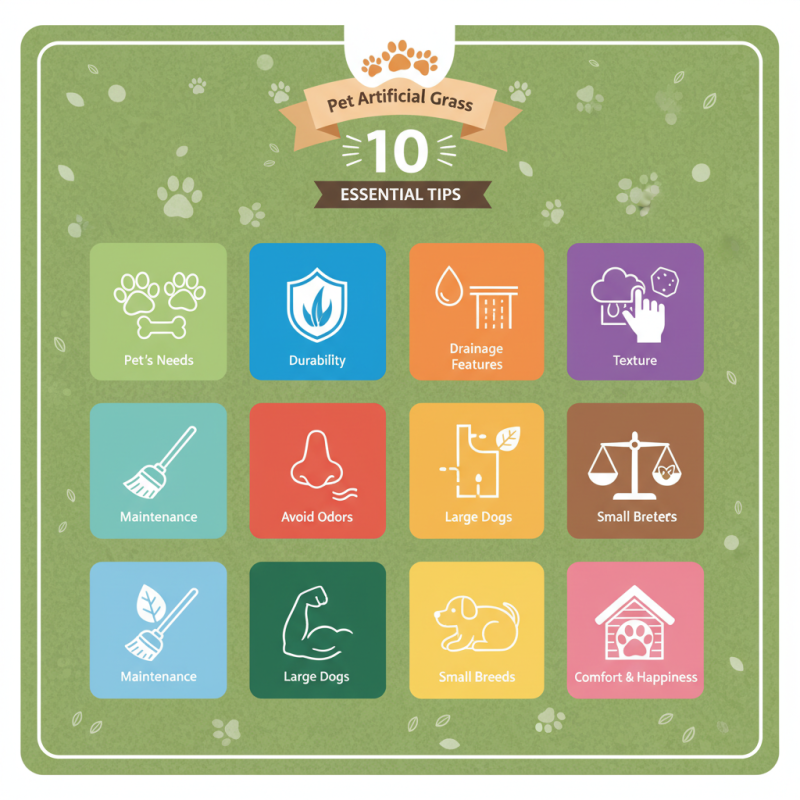
When selecting Pet Artificial Grass, consider your pet's needs. Some grass types are better suited for large dogs, while others work for small breeds. Look for products that are durable and designed specifically for pets. This can prevent wear and tear over time. Also, pay attention to drainage features. Proper drainage is crucial in avoiding unwanted odors.
You should evaluate texture as well. Some pet owners prioritize softness, while others look for grass that can handle rough play. Reflect on your pet's habits and preferences. It’s also important to consider maintenance. Some types may require more care compared to others. Balancing all these factors will lead to a better choice for your beloved companions.
Understanding the Benefits of Artificial Grass for Pets
When considering artificial grass for pets, it's essential to understand its benefits.
Artificial grass provides a clean, safe space for your furry friends. Unlike natural grass, it doesn’t harbor pests or ticks. This is a big plus for pet owners in warmer climates.
The surface is gentle on paws, reducing the risk of cuts or scrapes.
Another advantage is maintenance. Real grass often requires mowing, watering, and fertilizing. With artificial grass, you'll spend less time on upkeep. It’s a more convenient option during rainy weather. However, some owners worry that pets may not enjoy it as much. Does your dog really prefer grass under its paws? Testing it out can help.
Furthermore, consider the impact of hot weather. Artificial grass can get quite warm in the sun, which can be uncomfortable for pets. You might find areas that need shade are not easily created. Therefore, reflecting on your pet's comfort is essential. Ultimately, while artificial grass can be a great choice, it may not fit every pet's needs. Observing your pet's behavior will guide you to the right decision.
Evaluating Safety and Toxicity in Pet-Friendly Artificial Grass
When choosing artificial grass for pets, safety is a primary concern. Not all synthetic grasses are created equal. Some might contain harmful chemicals that are dangerous for pets. Always look for materials that are non-toxic and safe for furry friends. Research the product specifications to ensure they meet safety standards.
Evaluating toxicity in pet-friendly artificial grass is crucial. Check for certifications that indicate the grass is free from harmful substances. A simple way to test safety is to see if it passes the lead and phthalate-free standards. Pay attention to how the grass is treated to resist bacteria or mold. Make sure any treatments used are safe for animals.
Tip: Consider the texture of the grass. A softer surface can be more comfortable for pets. However, some softer materials might not be as durable. Look for a balance between comfort and durability. Another tip is to check the drainage capabilities. Proper drainage helps keep the area clean and reduces odor. This is essential for a healthy environment for your pets.
Examining Durability and Maintenance Considerations for Pet Grass
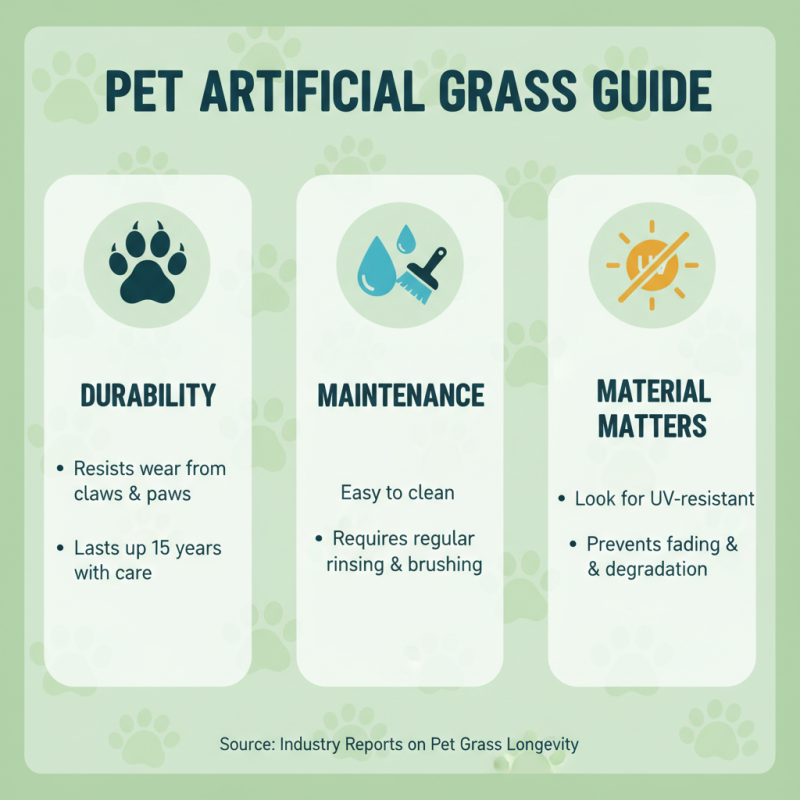
When choosing pet artificial grass, durability and maintenance are crucial factors. Pet grass should withstand regular wear from claws and paws. According to industry reports, artificial grass designed for pets can last up to 15 years with proper care. However, different materials will affect longevity. Look for UV-resistant options to prevent fading and degradation from the sun.
Maintenance consideration is equally important. Some grass types are easier to clean than others. Regular rinsing can help remove odors and debris. In a study, 40% of pet owners noted that easy maintenance was a top priority. A more durable, but harder to maintain option may require more time and effort. Additionally, infrequent cleaning can lead to bacteria buildup, which can be harmful for pets.
The choice of infill can also influence maintenance. Some infills absorb odors better than others. This doesn’t mean all options are created equal. Research shows that natural infills can attract pests, while synthetic options may trap heat. Finding a balance is key. The ideal product should suit your pet's needs while reducing maintenance hassles. Each option comes with trade-offs that require careful consideration.
Considering Aesthetic Appeal and Integration with Your Home Landscape
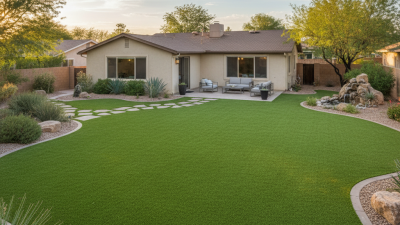
When selecting artificial grass for your pets, aesthetics play a crucial role. Consider how the grass will blend with your home's existing landscape. Choose colors and textures that complement your garden. This creates a harmonious environment. A mismatched lawn can clash with flowerbeds or patios. Think about the overall look before making a decision.
Integration is key. Measure your space accurately. You don’t want your new grass to overwhelm the area. Smaller yards might benefit from lighter shades. They give an illusion of more space. Wider areas may allow for bolder designs. Test samples in your garden to see how they interact with sunlight and surrounding greenery.
However, it’s easy to overlook these details in the excitement of new pet features. You might fall for vibrant greens, only to find they clash with your elegant aesthetics later. Take time to reflect on how each choice impacts your space. After all, your yard should be a beautiful haven for both you and your furry friends.
Comparison of Pet Artificial Grass Features
Choosing the Right Installation Method for Pet Artificial Grass
When considering installation methods for pet artificial grass, the base preparation is crucial. A solid, well-drained base prevents water accumulation. This helps keep the area dry and hygienic for pets. Digging about three to four inches deep is often recommended. This depth allows for proper drainage and minimizes the risk of weeds. You might encounter uneven ground; leveling it can be challenging, but it’s essential for a smooth surface.
The type of infill used can also affect installation. Choosing between rubber, sand, or organic options has pros and cons. Rubber provides excellent cushioning but may retain heat. Sand, while cooler, can compact over time and require frequent replacement. These details are easy to overlook but impact your pet's comfort. Installing in sunny areas might necessitate these considerations. Will your pets be running around in heat? Reflect on the material to ensure safety.
Adhesive methods can vary. Some prefer glue, while others opt for seams. Gluing can lead to quicker wear if not applied correctly. Seams, if poorly done, can be weak points in the lawn. Both methods require precision and patience. Installation may not be perfect, and that’s okay. Every setup has unique challenges, and learning as you go is part of the process. Keep all these factors in mind to create a safe haven for your furry companions.

 +86 19005411400+86 15006803065
 Contact Phone
 Contact Email