2026 Best Residential Lawn Turf Options for Your Garden?
When planning your garden, choosing the right Residential Lawn Turf is crucial. According to expert John Green, “The right turf transforms any landscape.” This emphasizes the importance of selecting turf that meets both aesthetic and practical needs.
Residential Lawn Turf options vary widely. Different varieties suit different climates and soil types. For instance, Kentucky Bluegrass thrives in cooler areas, while Bermuda is ideal for warmer climates. Each type has unique maintenance requirements, impacting your long-term enjoyment of your lawn.
However, not all homeowners consider the nuances in selecting turf. Many overlook factors like sunlight, drainage, and foot traffic. A turf that fails to match your environment can lead to disappointment. Understanding these intricacies is essential for a thriving garden.
2026 Overview of Popular Residential Lawn Turf Types and Their Benefits
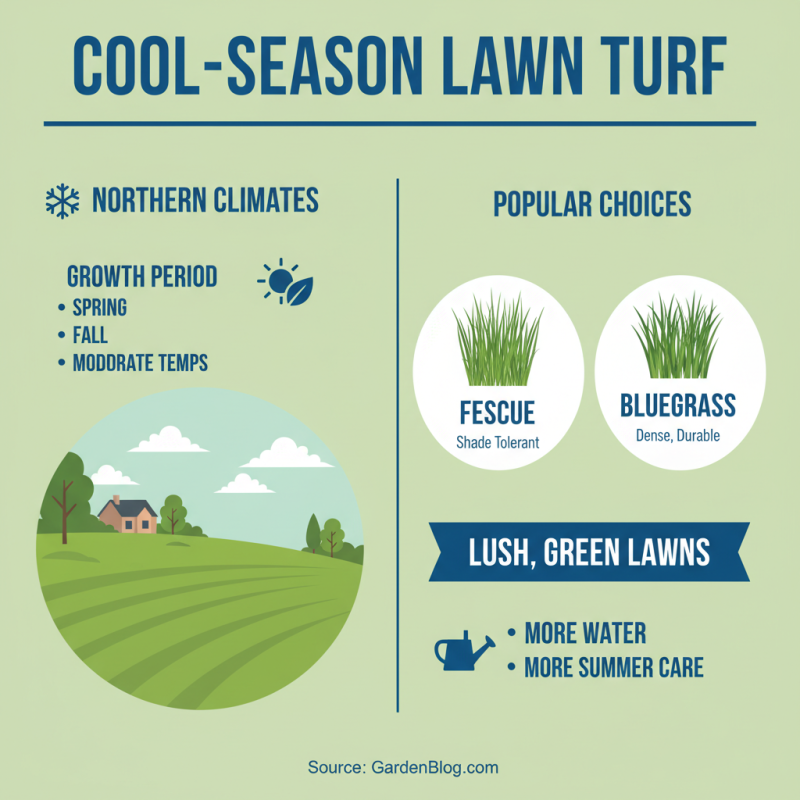
When selecting the best lawn turf for your garden, understanding the options is essential. Cool-season grasses thrive in northern climates. They grow best in spring and fall when temperatures are moderate. Popular choices include fescue and bluegrass. These grasses provide a lush, green lawn but may require more water and care during the summer.
In warmer regions, warm-season grasses are ideal. Bermuda and zoysia are common, known for their drought resistance. They flourish in hot weather and can handle foot traffic well. However, warm-season grasses tend to go dormant in cooler months, resulting in a brown lawn during winter. This might be disappointing for some homeowners.
Choosing the right turf often leads to reflection on maintenance needs. Some types require more frequent mowing and fertilization. If you prefer a low-maintenance option, consider fine fescue or buffalo grass. These can be less demanding. However, achieving a perfect lawn may take time and care. Be prepared for trial and error in your gardening journey.
Key Factors to Consider When Choosing Lawn Turf for Your Garden
When selecting the best lawn turf for your garden, several factors are crucial. Climate plays a significant role in determining suitable grass types. In warmer regions, warm-season grasses thrive. In cooler areas, cool-season grasses are more resilient. Research shows that selecting the right turf can reduce water usage by up to 30%.
Soil quality also impacts turf health. Conducting a soil test helps identify nutrient deficiencies. Proper pH levels are vital for the growth of grass. Aim for a pH between 6 and 7.5 for optimal results. Nutrient-rich soil guarantees a lush, green lawn.
Tip: Regular maintenance is key. Mow at the right height to promote root growth. Overwatering can lead to disease. Monitor rainfall and adjust your watering schedule. A healthy lawn will resist weeds and pests better. Investing time in these key factors pays off in maintaining a beautiful garden.
2026 Best Residential Lawn Turf Options for Your Garden
| Lawn Turf Type |
Sunlight Requirement |
Watering Needs |
Soil Type |
Durability |
Best Use Cases |
| Bermudagrass |
Full Sun |
Moderate |
Well-drained sandy loam |
High |
Sports fields, sunny lawns |
| Kentucky Bluegrass |
Full to Partial Sun |
Regular |
Loamy soil |
Medium |
Residential lawns, parks |
| Tall Fescue |
Full to Partial Sun |
Low to Moderate |
Clay or loam |
High |
Drought-prone areas |
| Zoysiagrass |
Full Sun to Partial Shade |
Low |
Varied soils |
High |
Heat-resistant lawns |
| Perennial Ryegrass |
Full Sun |
Moderate |
Well-drained soils |
Medium |
Quick patches and overseeding |
Comparative Analysis of Cool-Season vs. Warm-Season Turf Grasses
When choosing turf for your garden, understanding the differences between cool-season and warm-season grasses is essential.
Cool-season grasses thrive in northern climates. They grow best when temperatures range from 60°F to 75°F. Examples include Kentucky bluegrass and fescue. These grasses turn a vibrant green in the spring and fall.
On the other hand, warm-season grasses dominate southern regions. They prefer temperatures between 80°F and 95°F. Varieties like Bermuda and Zoysia are popular for their heat tolerance.
They remain lush during the summer but can appear brown in cooler months. Residents in transitional areas often face challenges. Selecting the right grass type may require adjustments as climate changes.
Consider soil type and sun exposure in your garden. These factors impact grass performance. Some homeowners mistakenly choose grass without this analysis. This can lead to patchy lawns or excessive watering needs. A thoughtful approach ensures a vibrant garden that suits your local climate. Balancing aesthetics and functionality can be tricky.
Regional Suitability: Best Turf Options Based on Climate Zones
Choosing the right turf for your garden can be challenging. Different regions have unique climates that affect turf growth. Understanding your climate zone matters significantly. For warmer areas, warm-season grasses thrive. They love heat and can withstand drought. However, if you live in cooler climates, cool-season grasses might be more suitable. They grow well in spring and fall.
For example, in a hot, humid environment, Bermuda grass may flourish. Its resilience is impressive, yet it can require a lot of maintenance. On the other hand, fescue works well in more temperate regions. It tolerates shade but may struggle during droughts. Each grass type has strengths and weaknesses that need consideration.
Soil quality also plays a crucial role in grass selection. Some grasses need sandy soil, while others thrive in clay. Not everyone tests their soil before planting, which can lead to failures. A beautiful lawn requires effort and thoughtfulness. You may find that what works for one property doesn’t work for another. استخدام هذه التجارب لتحقيق نتائج أفضل مهم لكل بستاني.
Sustainable Lawn Management Practices for Long-Term Turf Health
Sustainable lawn management is essential for maintaining a healthy garden. A vibrant lawn requires careful practices. Using organic fertilizers is a great start. They promote soil health without harmful chemicals. This can help beneficial microbes thrive, enhancing soil structure.
Watering efficiently is another key aspect. Instead of daily sprinkling, opt for deep watering. This encourages roots to grow deeper. A well-established root system can withstand drought better. Setting up rain barrels can also conserve water while providing what your lawn needs.
Mowing at the right height is vital. Cutting too short stresses the grass, making it more vulnerable. Aim for a height of about three inches for most grasses. And leave the clippings on the lawn. They decompose quickly, returning nutrients to the soil. Sometimes, it's easy to overlook these small actions, yet they significantly impact long-term lawn health.
2026 Best Residential Lawn Turf Options

 +86 19005411400+86 15006803065
 Contact Phone
 Contact Email