2026 Best Plastic Grass Options for Your Lawn and Garden Needs?
As more homeowners seek sustainable solutions, the demand for Plastic Grass is on the rise. Industry expert Dr. Emily Rowe states, "Plastic Grass offers a versatile and eco-friendly alternative to natural lawns." This innovation not only enhances aesthetic appeal but also reduces maintenance efforts.
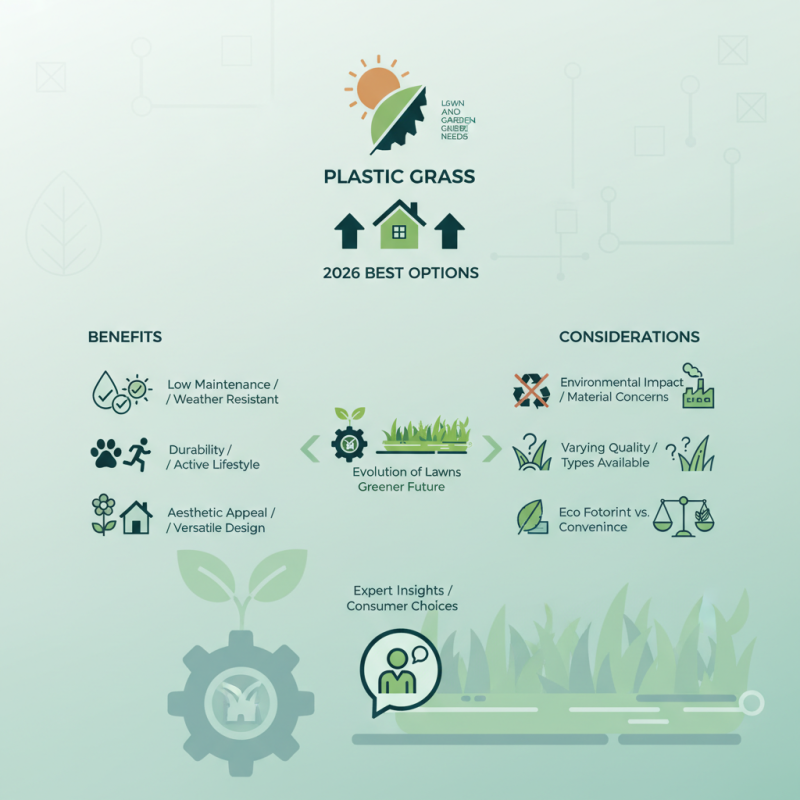
Plastic Grass is designed to withstand various weather conditions while maintaining its vibrant color. Its durability makes it a suitable choice for families with pets or active outdoor lifestyles. However, some consumers question the environmental impact of plastic materials. With varying quality and types available, it can be challenging to choose the best option for your garden or lawn needs.
In the quest for sustainable beauty, Plastic Grass presents both opportunities and challenges. Homeowners must weigh the benefits of low maintenance against the ecological footprint of synthetic materials. Exploring the best options can ensure a greener future while enjoying a lush, vibrant outdoor space.
Factors to Consider When Choosing Plastic Grass for Your Lawn
When selecting plastic grass for your lawn, several factors warrant attention. Durability is crucial. Quality turf can last 15 to 25 years. According to industry data, the right choice can reduce maintenance costs by up to 50%. This includes mowing, watering, and fertilizing. Consider the foot traffic in your area. Some options are better for high traffic, while others suit low-use environments.
Another key element is the material. Most artificial grasses use polyethylene or polypropylene. The former provides a softer feel, ideal for play areas. The latter tends to be more durable but can feel rough underfoot. Look for products that feature UV resistance for longevity, especially in sunny climates. Research shows that color fading can occur in as little as two years without proper treatment.
Lastly, think about your environmental footprint. Some brands offer recyclable options. However, the production process is not always eco-friendly. A life cycle analysis reveals that while installation may be costly, long-term savings on water and maintenance may offset those initial figures. Weighing aesthetics against practicality is also a challenge. The perfect balance may not exist. Choosing plastic grass can be complex. Each decision impacts the overall satisfaction with your lawn.
2026 Best Plastic Grass Options for Your Lawn and Garden Needs
This bar chart illustrates the assessment of various plastic grass options based on factors such as durability, maintenance, cost, appearance, and eco-friendliness. Each criterion is rated on a scale from 0 to 100, providing insights into the best choices for lawn and garden needs.
Types of Plastic Grass Materials and Their Benefits
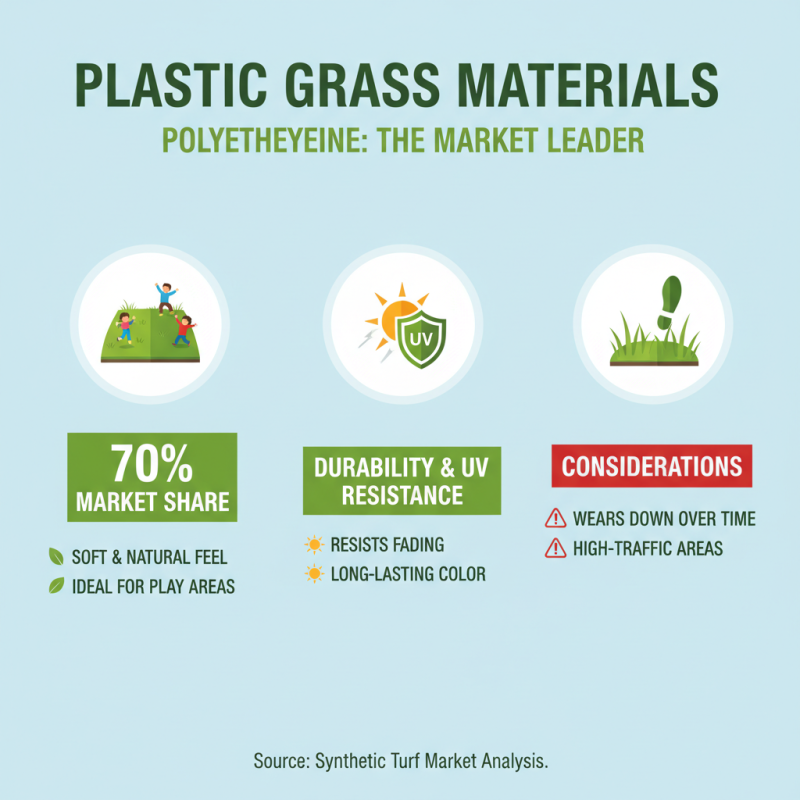
When considering plastic grass for your lawn and garden needs, various materials come into play. One popular option is polyethylene, known for its durability and resistance to UV rays. Reports suggest that polyethylene accounts for about 70% of the synthetic turf market. Its softness provides a more natural feel, making it ideal for play areas. However, it can wear down over time, especially in high-traffic zones.
Another material, polypropylene, is an economical choice. It is lighter and often used for residential lawns. While it is less durable, its affordability makes it appealing for budget-conscious homeowners. Research indicates it might not last as long as polyethylene, typically enduring around 5-10 years before showing significant wear. Some users may find this lifespan frustrating.
Lastly, nylon offers superior strength and resilience. It can withstand extreme weather conditions, making it perfect for various climates. However, nylon is often more expensive. Its advantages come at a cost, presenting a dilemma for many garden enthusiasts. Balancing durability and budget is challenging yet crucial. Each material presents unique benefits and drawbacks. Making the right choice requires careful consideration of your specific garden needs.
Comparative Analysis of Leading Plastic Grass Brands for 2026
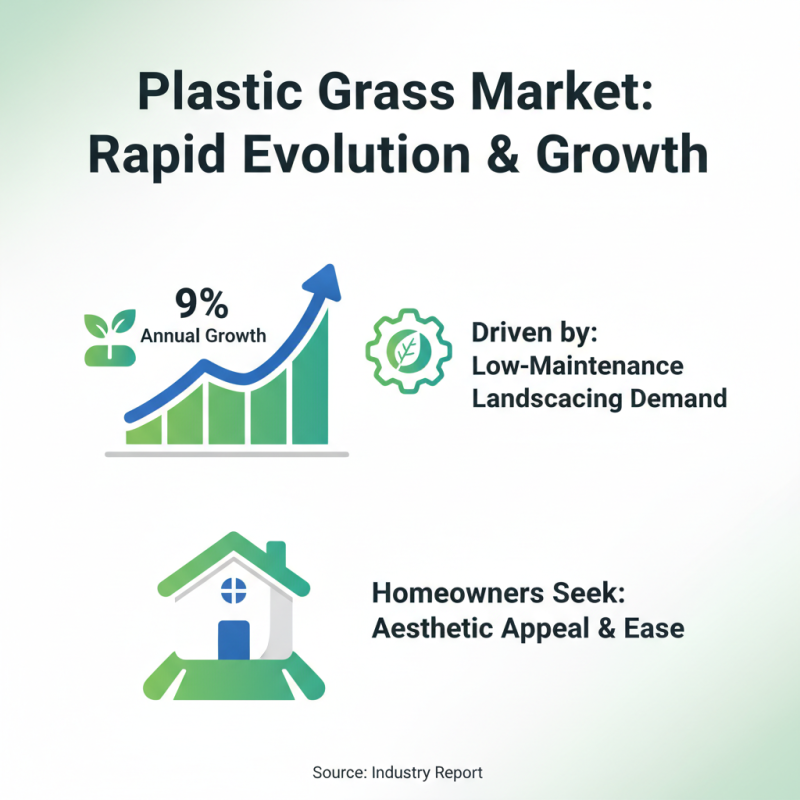
The market for plastic grass is evolving rapidly. A recent industry report indicated a growth rate of 9% annually. This growth is driven by increased demand for low-maintenance landscaping solutions. Homeowners are looking for options that provide aesthetic appeal without the hassle of traditional grass.
When comparing leading brands, several factors emerge. Durability is a primary concern. Some products claim to last up to 15 years, but testing shows varied results. Longevity can depend on climate impact and installation quality. Color fading is another issue, with reports revealing that some brands lose vibrancy within a year. Shoppers should check for UV resistance ratings carefully.
Environmentally, this is a complicated area. While plastic grass reduces water usage, it is not biodegradable. The carbon footprint of production is significant. Some companies are exploring recycled materials, which show promise. Yet, the industry still faces criticism for environmental impacts. Consumers need to weigh these considerations heavily before selecting their products.
Installation Techniques for Optimal Performance of Plastic Grass
When installing plastic grass, it’s essential to prepare the ground properly. Start by removing any existing sod or vegetation. Clear away rocks and debris for a smooth surface. Make sure the base is level. Adding a layer of crushed stone can improve drainage. This step matters; it directly impacts the grass's performance.
Next, roll out the plastic grass and let it acclimate. This prevents wrinkles and makes it easier to cut. Use sharp tools for precise edges. Secure the grass with stakes for stability. Ensure the seams are tight; this affects the overall look of your lawn. Some people overlook this, leading to visible seams that detract from beauty.
Finally, infill material can enhance the grass. Use sand or rubber granules to weigh it down. This adds cushioning and feels more natural underfoot. Regular maintenance is necessary too. Brush the grass occasionally to keep the fibers upright. Improper care can lead to flattening. Remember, even with the best techniques, there can be issues. Reflecting on the process helps improve future installations.
Maintenance Tips for Prolonging the Lifespan of Plastic Grass
Maintaining plastic grass is essential for extending its lifespan. Studies show that well-maintained synthetic lawns can last up to 15 years. However, improper care can reduce that significantly.
Regular grooming is crucial. Use a brush or a rake to keep the fibers standing upright. This helps the grass maintain its appearance and prevents matting. Aim to groom your lawn every few weeks, especially in high-traffic areas.
Another effective method is to clean debris and dirt regularly. A simple hose down can do wonders. For more stubborn stains, a mild detergent mixed with water works well. Ensure thorough rinsing afterward to prevent residue build-up.
Tip: Avoid using heavy equipment on synthetic grass to prevent limitations in drainage. Heavy weights can flatten fibers, leading to uneven surfaces. Keep sharp objects away too. They can cause irreversible damage.
Monitoring for wear and tear is vital. Inspect seams and edges every year. Small repairs performed early can save you from larger replacements. Consistent attention to these details truly pays off.
2026 Best Plastic Grass Options for Your Lawn and Garden Needs
| Option |
Material Type |
Blade Height (inches) |
UV Resistance |
Weight (oz per sq ft) |
Lifespan (Years) |
| Option A |
Polyethylene |
1.5 |
High |
50 |
10 |
| Option B |
Nylon |
2.0 |
Very High |
60 |
15 |
| Option C |
Polypropylene |
1.25 |
Moderate |
45 |
8 |
| Option D |
Recycled PE |
1.75 |
High |
55 |
12 |
| Option E |
Turf Blend |
2.5 |
Very High |
65 |
20 |

 +86 19005411400+86 15006803065
 Contact Phone
 Contact Email