Top 10 Best Commercial Artificial Grass Options for Your Business?
In today’s competitive landscape, choosing the right Commercial Artificial Grass can significantly impact your business. Experts emphasize quality and functionality. John Smith, a leading authority in the industry, once stated, "The right artificial grass can enhance not just aesthetics but also durability."
For businesses, these options go beyond mere appearance. They need to withstand heavy foot traffic. Selecting the best Commercial Artificial Grass is a critical decision. Many brands claim to provide the best. However, not all meet the expected standards. You might find some products lacking in quality or durability.
Ground-level details matter when choosing the right grass. Consider factors like texture, color, and maintenance. Some businesses face challenges when transitioning to artificial options. It requires careful planning and understanding of the product. Real insights can help in making informed choices. The right Commercial Artificial Grass should truly align with your business goals.
Top 10 Commercial Artificial Grass Brands for Enhanced Durability
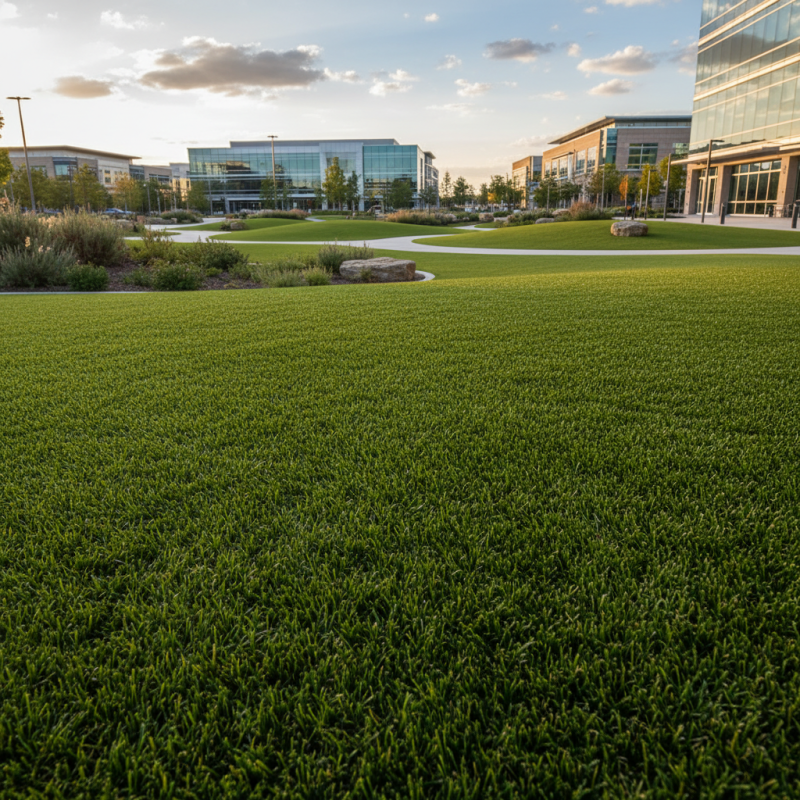
When choosing artificial grass for commercial use, durability is key. Quality brands incorporate strong materials that withstand heavy foot traffic. Look for options that feature UV resistance to prevent fading. This ensures your landscape remains vibrant throughout the year.
Tips: Consider the type of fibers used. Thick, well-structured blades hold up better against wear. Look for products with reinforced backing to enhance stability. Some installations may require additional infill for pressure relief.
It's important to assess your business’s specific needs. For instance, sports facilities will have different requirements than event spaces. A suitable choice not made may lead to premature wear. Researching the climate in your area also helps. Certain brands perform better in specific weather conditions, so it's worth the effort.
Top 10 Best Commercial Artificial Grass Options for Your Business
| Option |
Durability Rating (Years) |
Pile Height (inches) |
Color Options |
Weight (oz/sq yd) |
| Option 1 |
15 |
1.5 |
4 |
80 |
| Option 2 |
12 |
1.75 |
5 |
75 |
| Option 3 |
10 |
1.25 |
6 |
70 |
| Option 4 |
14 |
2.0 |
3 |
85 |
| Option 5 |
11 |
1.5 |
4 |
78 |
| Option 6 |
13 |
1.75 |
5 |
74 |
| Option 7 |
16 |
1.5 |
6 |
80 |
| Option 8 |
9 |
1.25 |
3 |
69 |
| Option 9 |
17 |
2.0 |
5 |
76 |
| Option 10 |
12 |
1.5 |
4 |
73 |
Factors Influencing the Selection of Artificial Grass for Business Use
When selecting artificial grass for business use, several factors come into play. The intended purpose of the turf is crucial. For example, a playground requires durable and safe material. A landscape design might need a different texture and color. Businesses need to consider foot traffic. Areas with high usage may need thicker, more resilient grass. Thinner varieties may wear down quickly.
Additionally, the climate in which the grass will be installed is significant. Some grasses thrive in sunny conditions, while others perform well in shade. Businesses should assess their environmental conditions. It's important to factor in maintenance as well. Some artificial grasses need more care than others. A low-maintenance option can save time and money in the long run. Reflecting on these aspects is key. It could help prevent issues after installation. The initial cost is often tempting, but quality matters more.
Top 10 Best Commercial Artificial Grass Options
Cost Analysis: Initial Investment vs. Long-term Benefits of Artificial Grass
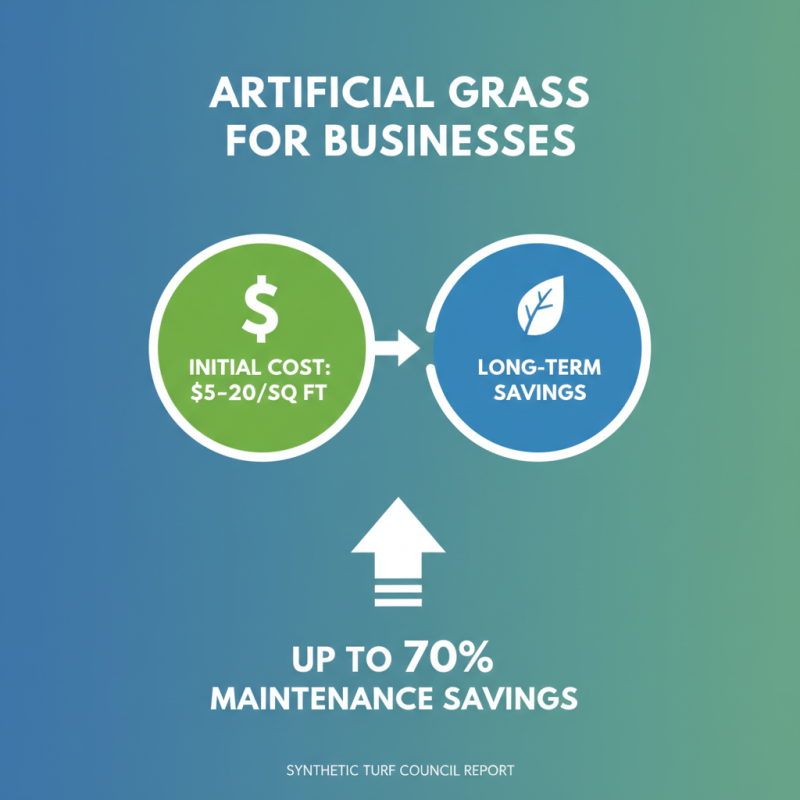
Investing in artificial grass can yield significant long-term benefits for businesses. Initial costs may seem high, with average installation expenses ranging from $5 to $20 per square foot. However, these figures often overlook future savings. Maintenance of natural grass requires regular mowing, watering, and treatments, which accumulate over time. A report by the Synthetic Turf Council indicates that businesses might save up to 70% on maintenance costs when switching to artificial turf.
Beyond maintenance savings, there are other advantages. Artificial grass has a lifespan of 15-25 years. This durability reduces the need for frequent replacements, unlike natural grass, which can require yearly reseeding. Water conservation is another factor. Up to 1.3 billion gallons of water are wasted on lawns each year. With drought conditions becoming more frequent, businesses can become more sustainable by opting for artificial solutions.
While the initial investment could deter some, the long-term financial analysis reveals a different story. In urban areas, the stark contrast in upkeep costs poses a challenge. Companies need to evaluate their long-term goals against upfront costs. Failure to do so may result in missed opportunities for both savings and sustainability. Understanding the metrics can guide smarter choices.
Environmental Impact: Sustainability of Commercial Artificial Grass Solutions
When exploring the environmental impact of commercial artificial grass, several aspects come into play. These solutions can significantly reduce water usage. Traditional lawns often demand constant irrigation in dry climates. In contrast, synthetic grass requires minimal maintenance in comparison. Companies can save on water bills and help conserve this precious resource. However, there are lingering questions about the materials used in production.
The lifespan of artificial turf is another critical issue. While some products can last over a decade, the end-of-life scenario warrants attention. Disposal methods are not often eco-friendly. Landfills are less than ideal for synthetic materials. This raises concerns about pollution and environmental persistence. Moreover, the production process may involve toxic substances, demanding further scrutiny.
Sustainability also hinges on how these products are manufactured. Transparency about materials and processes can help businesses make informed choices. Innovations are emerging, but not all companies prioritize eco-friendly options. Furthermore, not all artificial grass is created equal. Some options may incorporate recycled materials, while others do not. It’s essential for businesses to reflect on their choices and impact on the environment. This ongoing dialogue is vital as the demand for sustainable solutions grows.
Performance Metrics: Comparing Lifespan and Maintenance of Leading Brands
When evaluating commercial artificial grass options, performance metrics are crucial. Lifespan can vary significantly, typically ranging from 8 to 15 years, depending on material quality. Recent industry reports show that premium grass often outlasts its budget counterparts by up to 5 years. This difference can lead to substantial cost savings over time.
Maintenance also plays a vital role. Quality synthetic grass requires less upkeep, which saves time and money. For instance, some products only need brushing and occasional rinsing. This is a stark contrast to natural grass, which demands regular mowing and watering. Reports indicate that businesses can save between 50% to 70% on maintenance costs with high-quality artificial options.
Not all options perform equally under stress. Some may fade or wear unevenly in high-traffic areas. A thorough inspection of warranty offerings is essential. Projects can quickly run over budget if a grass option fails prematurely. Assessing performance metrics not only helps in choosing the right product but also fosters sustainable business practices.
 +86 19005411400+86 15006803065
 Contact Phone
 Contact Email