Top 10 Benefits of Sports Artificial Turf for Athletes and Facilities
In recent years, Sports Artificial Turf has revolutionized the playing fields for athletes and facilities. According to a report by the Sports Turf Research Institute, artificial turf can reduce injuries by up to 30%. This statistic highlights the safety advantages associated with synthetic surfaces. Experts like Dr. Emily Johnson, a leading figure in sports turf research, note, "Sports Artificial Turf provides a consistent playing environment that enhances athlete performance."
The benefits of Sports Artificial Turf extend beyond safety. Maintenance costs diminish significantly compared to natural grass, making it an appealing option for facilities. Additionally, artificial fields are designed to endure extreme weather conditions. This ensures year-round usability, which is vital for training and competitive events. Yet, some critiques exist regarding the quality of play on artificial grass versus natural surfaces. It’s essential to weigh these aspects carefully.
Embracing Sports Artificial Turf can be a game-changer for many facilities. However, it is important to address lingering concerns about player comfort and injury potential. Facilities must consider both the advantages and potential drawbacks as they transition to synthetic options.
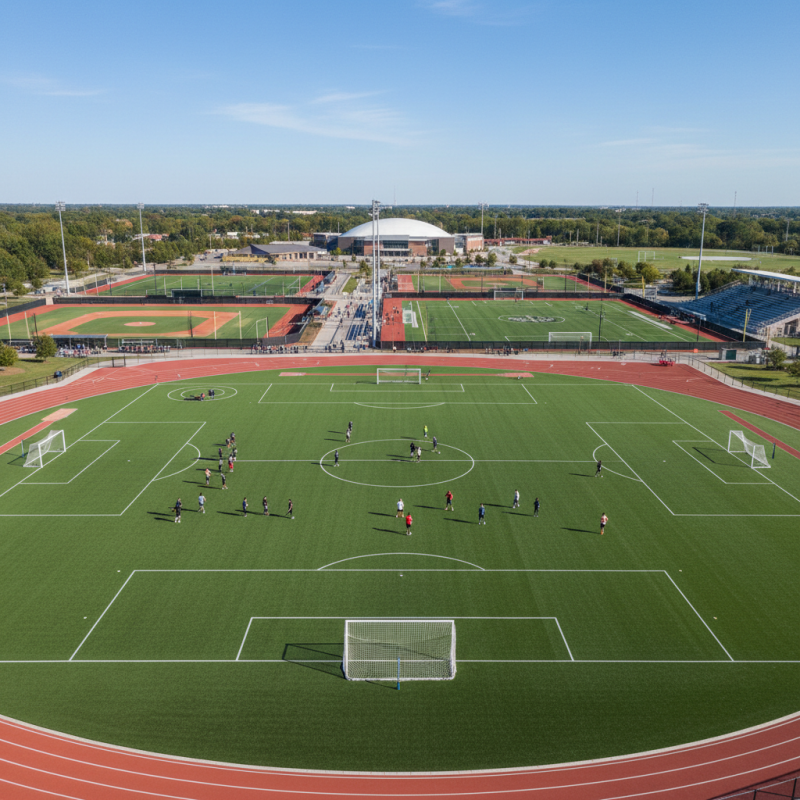
Advantages of Sports Artificial Turf for Performance Enhancement
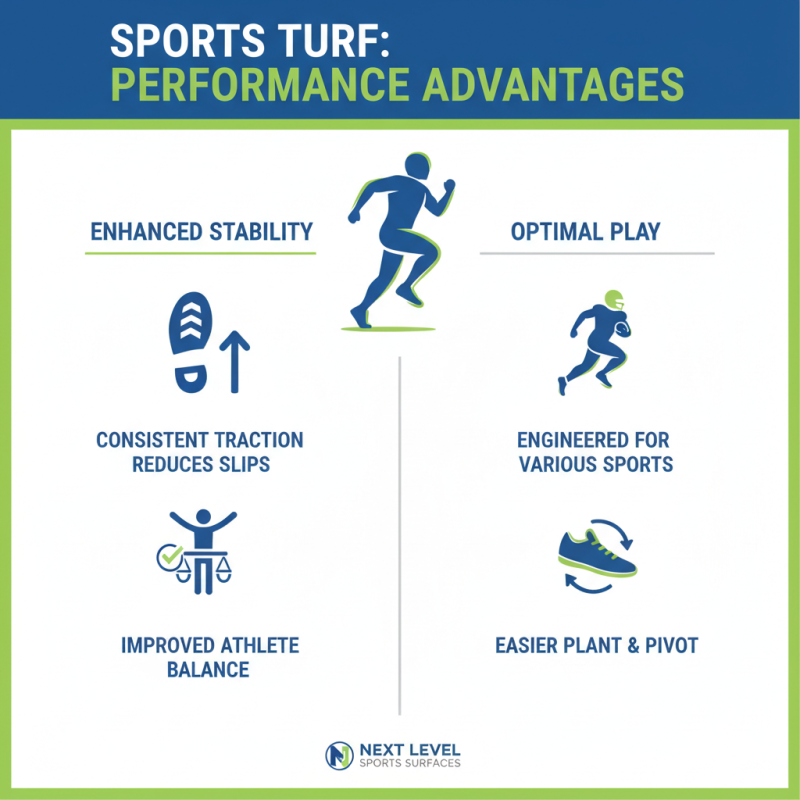
When it comes to performance, sports artificial turf offers unique benefits. The surface provides consistent traction, which enhances athletes' stability during play. This feature reduces the risk of slips and falls. Additionally, the turf can be engineered for various sports, ensuring optimal conditions for athletes. For instance, a football player may find it easier to plant their foot and pivot.
The durability of artificial turf is noteworthy too. It can withstand heavy foot traffic and harsh weather conditions, allowing for more practice and game time. However, athletes might notice that the surface feels different from natural grass. This can require an adjustment period. Some players may even feel discomfort at first. Over time, many find that their performance improves as they become accustomed to the synthetic feel.
Another crucial aspect is the maintenance factor. Artificial turf needs less upkeep than natural grass. This means more time for athletes to focus on training and less on facility management. However, some athletes worry about the heat retention of turf. It may impact performance during hot days. This often leads to discussions about the best training times and hydration strategies.
Durability and Maintenance Benefits of Artificial Turf Compared to Natural Grass
Artificial turf has become increasingly popular in sports facilities due to its durability and lower maintenance requirements. According to the Synthetic Turf Council, artificial turf can last up to 10 years or more with minimal upkeep. This lifespan is significantly longer than that of natural grass, which often needs reseeding, watering, and frequent mowing. Establishing a natural grass field typically costs around $50,000 to $100,000. In contrast, the initial investment in artificial turf can be higher, but long-term savings on maintenance can exceed 30% over its lifespan.
Maintenance requirements for natural grass can be a burden. Weekly mowing, fertilization, and irrigation are necessary to keep a natural field in top shape. These tasks can take away from training time. In a 2021 report by the American Sports Builders Association, facilities using artificial turf reported a 70% reduction in time spent on maintenance activities. Still, there are some things to consider. While turf is durable, issues like heat retention and infrequent cleaning can pose problems. Facilities must evaluate the pros and cons of both options based on their specific needs.
Athletes benefit from reliable playing conditions on artificial surfaces. These fields can withstand heavy usage without significant wear and tear. However, concerns about player safety arise as well. Some studies suggest the risk of certain injuries may be higher on artificial turf. Balancing durability with safety is essential. Investing in current research and quality materials can make a difference in athlete experience and satisfaction.
Safety Features of Artificial Turf Minimizing Athlete Injuries
Artificial turf has transformed sports facilities, offering significant safety features for athletes. Studies indicate that synthetic surfaces reduce the risk of certain injuries. The overall injury rates on artificial turf can be up to 30% lower compared to natural grass fields. This statistic suggests a compelling reason for facilities to consider artificial options.
The cushioning effect of artificial turf minimizes the impact during falls. A report from the American Journal of Sports Medicine states that fields with better shock absorption have fewer lower extremity injuries. Athletes can run, tackle, and slide with a reduced chance of harm. Turf technology improves over time, focusing on player safety first.
However, there are still mixed feelings about artificial surfaces. Some athletes report feeling discomfort during play, especially in extreme temperatures. Others express concern over abrasions and skin injuries. Continuous assessment is vital to balance innovations in turf safety and players’ experiences.
Economic Impact of Installing Artificial Turf in Sports Facilities
The economic impact of installing artificial turf in sports facilities can be substantial. Initial costs might be high. However, the long-term savings often outweigh these expenses. Maintenance for artificial turf is considerably less than natural grass. Facilities save money on water, fertilizers, and labor. This translates into lower operating costs year-round.
Moreover, artificial turf allows for extended usage. With durable surfaces, events can occur in varied weather conditions without damaging the field. This increases the facility's revenue potential. More games mean more ticket sales and concession revenue. Local businesses can benefit too, as increased foot traffic brings customers.
Still, some may argue about the environmental implications. It's essential to assess both sides. Finding a balance is crucial for long-term sustainability.
Environmental Considerations of Using Synthetic Turf in Sports Fields
The shift to synthetic turf in sports facilities raises many environmental concerns. While artificial grass offers durability and low maintenance, it's crucial to assess its ecological footprint. Traditional grass fields require water, fertilizers, and pesticides. Turf, on the other hand, needs less water, but it isn’t entirely sustainable.
Turf fields often contain materials that can cause harm if not properly managed. When they wear out, disposal becomes an issue. Some synthetic fields end up in landfills, where they do not decompose easily. Awareness around this topic is vital for athletes and facility managers.
Tip: Consider using recycled materials for turf installation. This approach minimizes waste and promotes sustainability.
Additionally, regular maintenance of synthetic turf ensures longevity. Neglected fields may require more replacements. Sports facilities should implement proper cleaning techniques to keep the turf in good shape.
Tip: Regularly inspect the surface for damage. Early detection prevents bigger problems later.
This combination of benefits and drawbacks highlights the need for careful consideration in choosing synthetic turf. Balancing convenience and environmental impact remains a challenge that facilities must address.
Top 10 Benefits of Sports Artificial Turf for Athletes and Facilities - Environmental Considerations of Using Synthetic Turf in Sports Fields
| Benefit |
Description |
Environmental Impact |
| Durability |
Synthetic turf withstands heavy use and extreme weather conditions. |
Reduces the need for frequent replacements, minimizing waste. |
| Low Maintenance |
Requires less water and chemicals compared to natural grass. |
Conserves water and reduces chemical runoff into waterways. |
| Consistent Playing Surface |
Provides uniformity in surface conditions regardless of weather. |
Minimizes soil erosion and disruption of natural habitats. |
| Increased Safety |
Designed to reduce injuries with shock-absorbing materials. |
Lower risk of pesticide use for natural turf safety. |
| Versatility |
Can be used for multiple sports and activities without damage. |
Multi-use fields can reduce the footprint of facility needs. |
| Aesthetic Appeal |
Maintains a vibrant green appearance year-round. |
Encourages community use and appreciation of outdoor spaces. |
| Cost-Effectiveness |
Saves money on maintenance over time compared to natural grass. |
Financial savings can lead to more investments in green initiatives. |
| Increased Playability |
Allows for extended playing seasons and consistent availability. |
Utilizes land efficiently for local communities. |
| Recyclable Materials |
Many products are made from recycled materials or are recyclable themselves. |
Supports recycling initiatives and reduces landfill waste. |
| Community Engagement |
Encourages community sports and family activities. |
Promotes health and wellness in combination with green spaces. |

 +86 19005411400+86 15006803065
 Contact Phone
 Contact Email