Top 10 Benefits of Pet Friendly Artificial Grass for Your Home
In recent years, the demand for Pet Friendly Artificial Grass has surged. Homeowners love it for its convenience and aesthetics. Experts like Dr. Emily Hart, a leading veterinarian and pet wellness advocate, emphasize the importance of safe play areas. She once stated, "Creating a safe environment for pets is essential for their health."
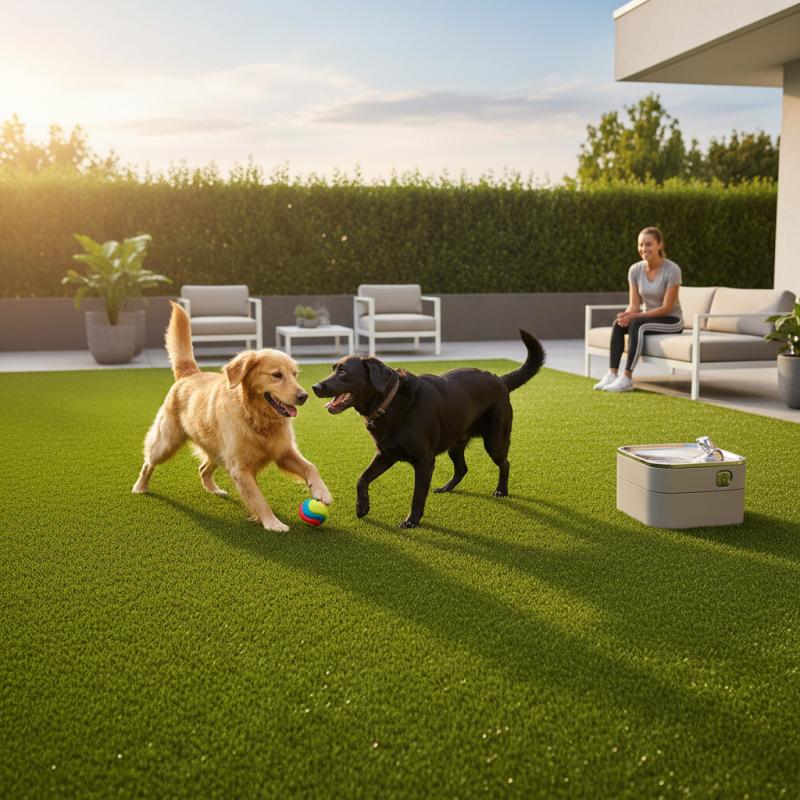
Pet Friendly Artificial Grass offers numerous advantages for furry companions. It provides a soft surface for pets to run and play. Unlike natural grass, it requires minimal maintenance. This means less mud and mess inside the house. It's a practical solution for busy pet owners.
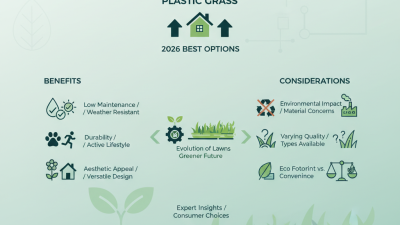
However, transitioning to synthetic grass can raise questions. Some owners may worry about heat retention. Others might miss the natural look of real grass. It's important to consider these factors when making a choice. The advantages, however, often outweigh these concerns. Pet Friendly Artificial Grass can enhance your home while keeping your pets safe and happy.
Benefits of Using Pet Friendly Artificial Grass in Your Home Environment
Creating a pet-friendly environment is essential for pet owners. Artificial grass is gaining popularity in modern homes. A study by the American Society for the Prevention of Cruelty to Animals found that over 60% of American households own pets. As a result, the demand for pet-friendly options in landscaping has increased.
Pet-friendly artificial grass offers several key benefits. It is soft and durable, perfect for pets to play on. Unlike natural grass, it withstands heavy traffic and remains intact, reducing maintenance time. Reports indicate that over 90% of pet owners prefer not to deal with muddy paw prints indoors. A clean home is crucial for pet health and household hygiene.
Moreover, this type of grass is non-toxic. Many natural grass treatments can be harmful to pets. Numerous pet owners reported that their pets no longer have allergies when switching to artificial grass. However, one must consider the initial installation cost. It's an investment that pays off over time, especially when factoring in the savings on water and maintenance. In addition, some artificial grasses may retain heat, making it uncomfortable for pets during hot days. Understanding these aspects can lead to more informed choices when enhancing your home for pets.
Top 10 Benefits of Pet Friendly Artificial Grass for Your Home
| Benefit |
Description |
| Low Maintenance |
No need for mowing, watering, or fertilizing, saving you time and effort. |
| Durable and Long-lasting |
Resists wear and tear from pets, ensuring it lasts for years. |
| Pet-friendly Material |
Safe for pets, made from non-toxic materials that won’t harm them. |
| All-weather Performance |
Designed to withstand different weather conditions without damage. |
| Easy Cleanup |
Simple to clean pet waste with just a hose, making maintenance easy. |
| Increased Safety |
Eliminates muddy paws and reduces slips and falls in your home. |
| Pest Resistant |
Artificial grass is less likely to attract pests like fleas and ticks. |
| Aesthetically Pleasing |
Provides a beautiful green space that enhances your home's appearance. |
| Customizable |
Available in various styles and colors to fit your design preferences. |
| Eco-Friendly Option |
Reduces water consumption and eliminates the need for harmful chemicals. |
Durability and Low Maintenance of Pet Friendly Artificial Grass
Pet friendly artificial grass is a game changer for pet owners. It offers incredible durability that can withstand rough play and heavy foot traffic. According to a report by the Synthetic Turf Council, artificial turf can last up to 15 years with proper care. This long lifespan saves money on replacements, making it a practical choice for dog owners.
Low maintenance is another major benefit. Unlike natural grass, which requires frequent mowing, trimming, and watering, artificial grass can be easily cleaned. A simple rinse with water can remove pet waste and odors. Studies show that homeowners spend an average of 200 hours annually on lawn maintenance. In contrast, artificial grass significantly reduces these requirements. However, some owners report needing more regular cleaning efforts than initially expected.
Pet friendly turf also provides a safe play environment. It is designed to be non-toxic and hypoallergenic. Yet, some users have noticed heat accumulation on especially sunny days. This can make it uncomfortable for pets. Awareness of these drawbacks is essential for informed decisions. Choose wisely to ensure comfort and safety for your furry friends.
Safety Features of Pet Friendly Artificial Grass for Your Pets
When considering a pet-friendly environment, artificial grass offers numerous safety features. It is designed to be non-toxic, ensuring the health of your furry friends. Unlike natural grass, which may harbor pesticides and chemicals, artificial turf is safer for pets to play and roll on. The material used is typically durable and resistant to wear, reducing the chances of injury from rough patches.
Additionally, pet-friendly artificial grass is easy to clean. Accidents happen, but the surface allows for quick and easy cleanup. You can simply spray down the area with water. This feature significantly reduces odors and keeps your yard fresh. Some artificial grass options even have drainage systems, allowing liquids to flow straight through.
Still, no solution is perfect. Some pets may take time to adjust to the new texture. Initial reluctance can be common, and pet owners may need to encourage their pets. Furthermore, regular maintenance is needed to keep the blades upright and prevent matting. With any investment, weighing the pros and cons is essential.
Environmentally Friendly Aspects of Pet Friendly Artificial Grass
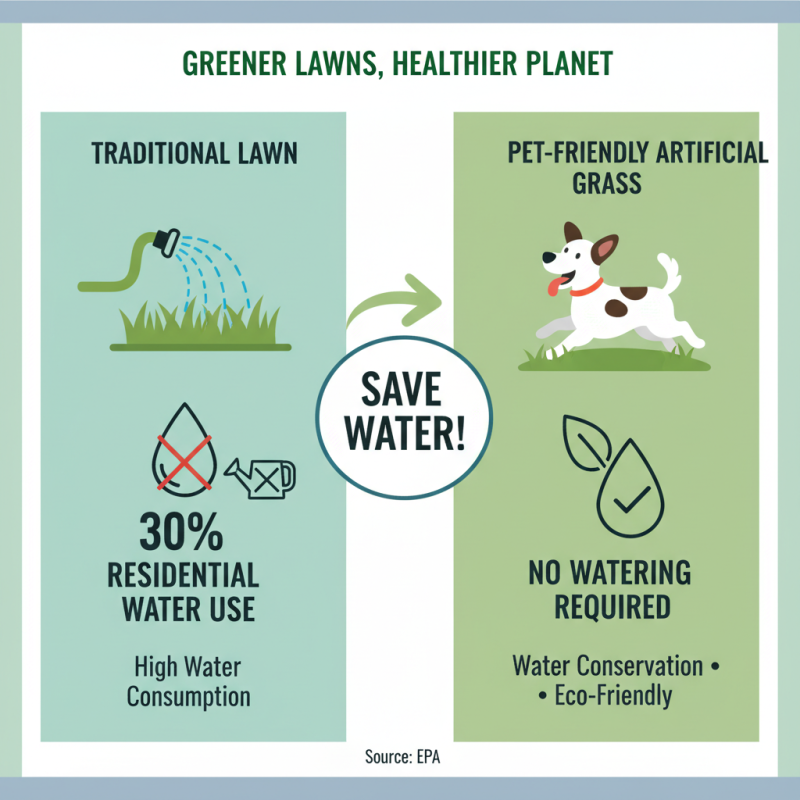
Pet-friendly artificial grass is not only beneficial for pets but also for the environment. Many homeowners overlook the impact of traditional lawns. According to the Environmental Protection Agency, lawns account for nearly 30% of residential water use. In contrast, artificial grass requires no watering. This drastic reduction in water consumption can contribute to conserving a vital resource.
Additionally, synthetic grass eliminates the need for harmful pesticides and fertilizers. A study by the National Association of Landscape Professionals revealed that these chemicals can contaminate water supplies. In contrast, pet-friendly artificial grass is safe for pets. It prevents exposure to potentially harmful substances. Furthermore, it reduces the carbon footprint associated with lawn maintenance equipment. Gas-powered mowers are known for their emissions. Switching to artificial turf can lead to cleaner air.
However, there are environmental concerns regarding the production of artificial turf. The manufacturing process can generate waste and consume energy. It's a complex issue that needs careful consideration. Homeowners should weigh the benefits against the potential drawbacks. Ultimately, the choice of pet-friendly artificial grass reflects a commitment to a pet's well-being while also incorporating sustainable practices.
Aesthetic Appeal of Pet Friendly Artificial Grass in Residential Spaces
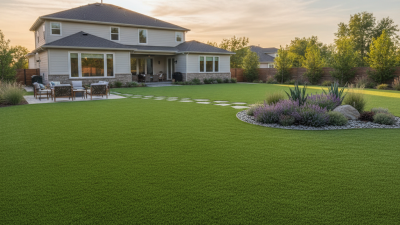
Pet friendly artificial grass is increasingly becoming a popular choice for residential spaces. Its aesthetic appeal is a major reason for this trend. Many homeowners desire a beautiful lawn without the upkeep. According to a report by the Synthetic Turf Council, more than 70% of homeowners report satisfaction with the visual aspects of synthetic grass. The lush green appearance mimics natural grass, providing a vibrant look year-round.
Additionally, pet owners appreciate the cleanliness that comes with this type of grass. Traditional lawns can become muddy and difficult to maintain. In contrast, pet friendly artificial grass drains quickly, minimizing odors and mess. Studies indicate that 60% of pet owners find artificial solutions manageable for their pets. This combination of beauty and practicality makes it a winning choice for many families. Yet, some people may worry about heat retention on sunny days. It's important to choose an installation that addresses these concerns.
Furthermore, while the initial investment might seem high, the long-term benefits offer value. Homeowners can save on water bills and maintenance costs. It eliminates the need for pesticides and fertilizers. However, not everyone is fully aware of these advantages. Some still prefer natural grass, believing it offers a more authentic touch. Balancing aesthetics and resilience is essential when considering landscaping options.
Top 10 Benefits of Pet Friendly Artificial Grass for Your Home

 +86 19005411400+86 15006803065
 Contact Phone
 Contact Email