What is Artificial Grass Rolls Benefits and Uses for Buyers?
Artificial Grass Rolls have gained popularity for various reasons. According to industry expert Dr. Sarah Thompson, "Artificial Grass Rolls provide a sustainable solution for outdoor spaces." Homeowners seek alternatives to natural grass for maintenance and water conservation.
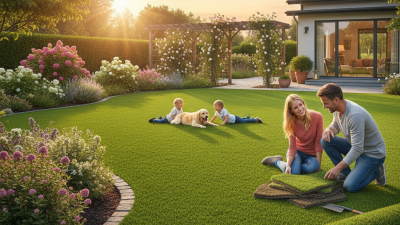
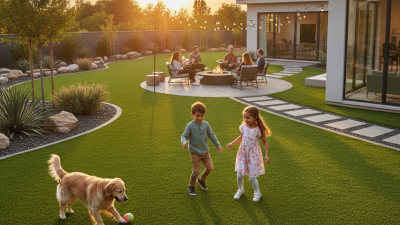
These rolls offer benefits such as durability and versatility. You can use them in residential yards, playgrounds, and commercial spaces. They require less water and no pesticides, making them eco-friendly. A vibrant lawn can be achieved without constant upkeep. However, some homeowners may hesitate due to initial installation costs, which can be a barrier.
While Artificial Grass Rolls present many advantages, they are not perfect. Potential buyers should consider factors like heat retention and potential fading over time. Understanding these aspects can lead to a more informed decision. The right choice combines aesthetic appeal and functionality for any space.
What are Artificial Grass Rolls and Their Construction Materials?
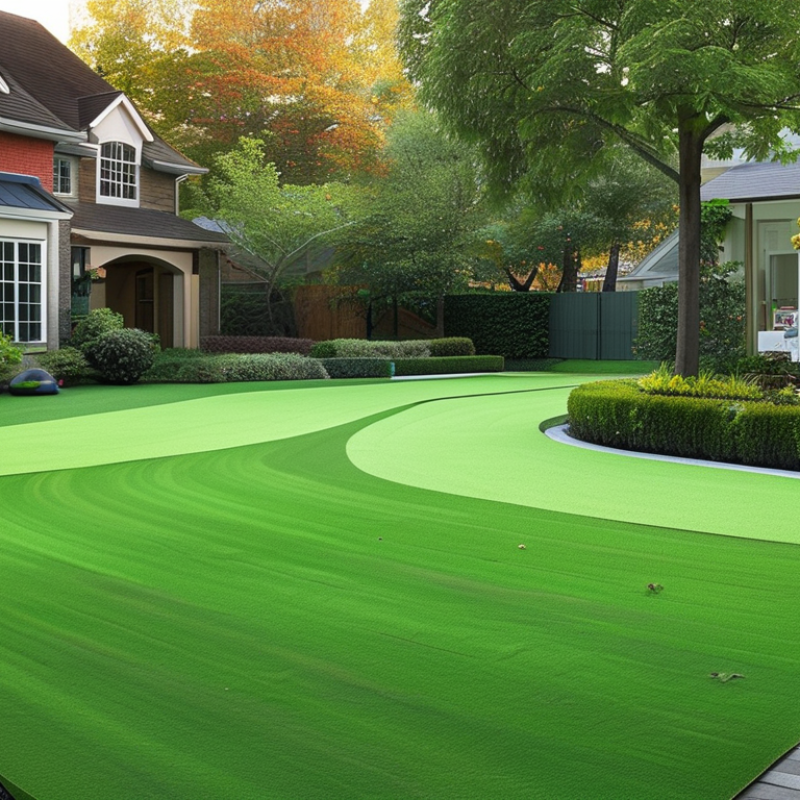
Artificial grass rolls are a popular choice for various applications. Made from synthetic fibers, they mimic the look and feel of natural grass. The construction materials include polyethylene, polypropylene, and nylon. These materials are chosen for their durability and realistic appearance. Polyethylene is soft and resilient, while nylon offers the strongest fibers.
The manufacturing process involves tufting, where strands of grass are sewn into a backing material. This backing is often made from a combination of urethane and latex. These components contribute to the product's longevity and stability. Buyers appreciate the low maintenance required for artificial grass rolls. No mowing or watering is necessary, making it an eco-friendly option.
While artificial grass provides many benefits, it has limitations. Some users may find it too hot underfoot during sunny days. Additionally, the initial investment can be higher than natural sod. It's essential to consider climate and usage needs before purchasing. These factors can lead to a more satisfying solution for outdoor spaces.
Benefits of Artificial Grass Rolls
Key Benefits of Using Artificial Grass Rolls for Landscaping Projects
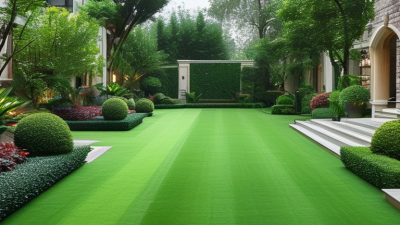
Artificial grass rolls offer numerous benefits for landscaping projects. They provide a lush, green appearance without the need for constant maintenance. One major advantage is the reduction in water usage. Homeowners can conserve water while still enjoying a vibrant lawn. This is especially important in areas facing drought conditions.
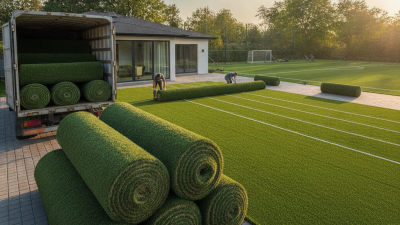
One tip for buyers: consider the installation process carefully. Proper installation ensures longevity and performance. Choose a well-draining area to avoid water pooling. It’s essential to prepare the surface before laying the grass. The right foundation makes a significant difference in the final look and durability.
Another benefit is the pest-resistant nature of artificial grass. Natural grass often attracts insects. This can lead to unwanted pests in your yard. With synthetic grass, there's less likelihood of insect infestations. However, keep in mind that it can still get hot under direct sunlight. Regularly check the surface temperature, especially on warm days.
Cost-Effectiveness: Comparing Artificial Grass Rolls to Natural Turf
Choosing artificial grass rolls can lead to significant savings. Initially, the investment might seem high, but over time, the cost-effectiveness shines. Natural turf requires constant care. This includes mowing, watering, and fertilizing. These maintenance tasks can add up quickly. In contrast, artificial grass needs minimal upkeep, saving buyers both time and money.
The durability of artificial grass also plays a crucial role. It can withstand heavy foot traffic and harsh weather conditions. Homeowners can enjoy lush green lawns year-round without seasonal drawbacks. However, some users might find that the look is not identical to real grass. This can lead to personal reflection on aesthetic preferences.
Cost comparisons reveal a stark difference. Natural turf may have a lower initial cost, but ongoing expenses are often underestimated. Artificial grass eliminates many variable costs. For those on a budget, this long-term value should be a primary consideration when deciding between the two options. While both choices have their benefits, understanding the financial implications is vital.
What is Artificial Grass Rolls Benefits and Uses for Buyers? - Cost-Effectiveness: Comparing Artificial Grass Rolls to Natural Turf
| Feature |
Artificial Grass Rolls |
Natural Turf |
| Initial Cost |
$2 - $8 per square foot |
$1 - $5 per square foot |
| Longevity |
15 - 25 years |
5 - 10 years |
| Maintenance |
Low (occasional brushing, rinsing) |
High (regular mowing, watering, fertilizing) |
| Water Usage |
None |
Requires significant water |
| Pest Control |
No pests |
Susceptible to pests |
| Environmental Impact |
Made from recycled materials |
Requires chemicals and maintenance |
Environmental Impact: Eco-Friendly Aspects of Synthetic Grass
Artificial grass rolls offer several environmental benefits that appeal to many buyers.
One notable aspect is water conservation. Traditional lawns require substantial irrigation. Studies estimate that synthetic grass can save about 5,000 gallons of water per year for a typical residential lawn. This reduction helps alleviate water scarcity issues in drought-prone areas.
Additionally, synthetic grass reduces the need for harmful pesticides and fertilizers. According to the Environmental Protection Agency, these chemicals contribute significantly to water pollution. By switching to artificial grass, homeowners can minimize their chemical footprint. This shift not only protects local ecosystems but also promotes healthier living conditions for families and pets.
Another eco-friendly feature is its long lifespan. Most artificial grass products can last up to 15-25 years. This durability means fewer resources are consumed over time for replacements. However, the production of synthetic materials raises concerns about plastic waste. It’s essential to address these issues through recycling initiatives. Striking a balance between benefits and drawbacks remains an ongoing discussion in the industry.
Maintenance Requirements and Longevity of Artificial Grass Rolls
Artificial grass rolls are gaining popularity, not just for their aesthetic appeal but also for their low maintenance requirements. Unlike natural grass, artificial turf does not need mowing, watering, or fertilization. According to the Synthetic Turf Council, artificial grass can save up to 55 gallons of water per square foot each year. This statistic highlights the environmental benefits of using artificial grass, especially in drought-prone areas.
However, regular maintenance is still necessary to ensure longevity. Light brushing and occasional rinsing can prevent debris buildup and maintain the texture of the grass. Research indicates that well-maintained artificial turf can last between 15 to 25 years. Engaging professionals for periodic deep cleaning can help extend the life of your installation.
Tips to consider: Regularly inspect your artificial grass for any signs of wear. Be sure to address any issues promptly to avoid costly repairs in the future. Additionally, applying infill systems can bolster the grass's durability and improve its overall look. Remember, while artificial grass offers numerous benefits, it's not completely maintenance-free. Frequent care will significantly enhance its performance and lifespan.
 +86 19005411400+86 15006803065
 Contact Phone
 Contact Email