2026 Best Turf Rolls for Your Lawn and Outdoor Spaces?
In the quest for the perfect lawn, the choice of turf rolls is crucial. The quality of turf rolls affects the overall health and appearance of outdoor spaces. According to the National Turfgrass Federation, the turf industry contributes over $40 billion to the U.S. economy annually. This emphasizes its significance in landscaping.
Expert in the field, Dr. John Smith, highlights that “investing in quality turf rolls can transform your outdoor experience.” This underscores the importance of selecting the right type. With various options available, home and business owners often feel overwhelmed. It’s vital to understand both the aesthetic appeal and the maintenance needs of different types of turf rolls.
However, not all turf rolls meet quality standards. Some may require excessive care or struggle with local climate conditions. Choosing the right turf requires thorough research. Make informed decisions to enhance your lawn's potential. The market's variety is vast, yet buyers should remain cautious. Quality is key, and understanding this can lead to a more gratifying outdoor experience.

Choosing the Right Type of Turf Roll for Your Lawn
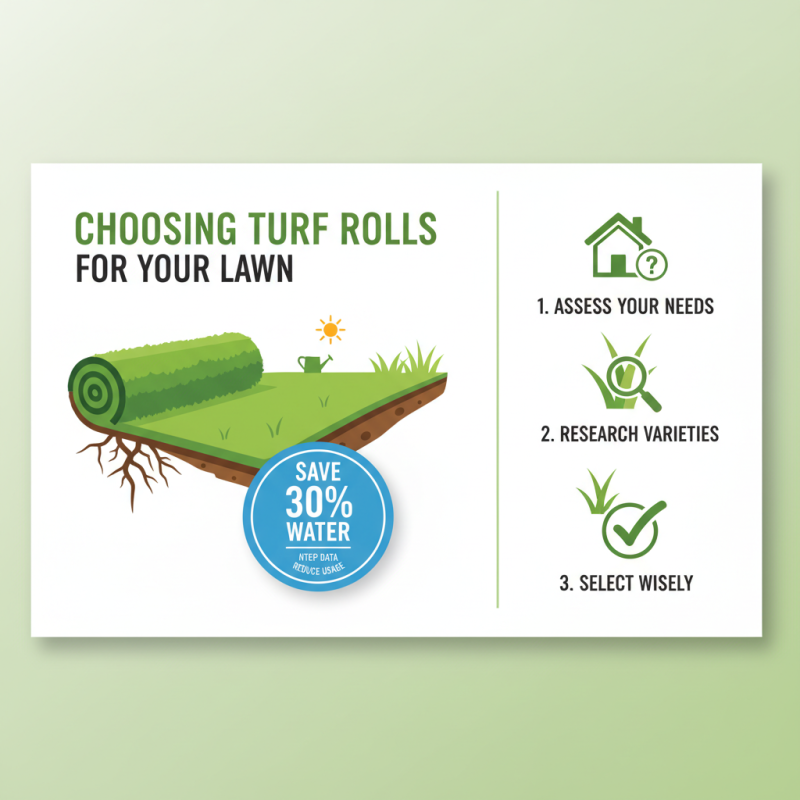
Choosing the right type of turf roll for your lawn can greatly impact how well your outdoor spaces thrive. With various options available, it’s essential to understand your particular needs. According to the National Turfgrass Evaluation Program, choosing the right variety can save up to 30% on water usage. This statistic alone underlines the significance of selection.
Different turf types vary in durability, aesthetics, and maintenance requirements. For instance, cool-season grasses like Kentucky bluegrass thrive in northern climates. They require more water and care during warmer months. In contrast, warm-season grasses like Bermuda grass perform well in southern regions. These grasses are more drought-resistant but may struggle in colder temperatures. Understanding local climate conditions is crucial for making the best choice.
Improper selection can lead to unsatisfactory results. Many homeowners end up dealing with patchy lawns and high maintenance costs. Research from the Turfgrass Water Conservation Alliance shows that nearly 60% of lawns are overwatered due to wrong turf selections. A thoughtful approach requires attention to detail, as even minor miscalculations can lead to significant challenges.
Factors to Consider When Selecting Turf Rolls for Outdoor Spaces
When choosing turf rolls for your outdoor spaces, consider the climate in your area. Different types of grass thrive in varying temperatures and rainfall levels. For instance, some grasses cope well in sun, while others prefer shade. Evaluate your yard's sunlight exposure for better choices.
Another important factor is the soil quality. A soil test can determine pH and nutrient levels. Healthy soil promotes strong grass growth. You might need to amend the soil before laying turf. Remember that some soil types drain poorly, which can lead to waterlogging. Take note of these conditions.
Also, think about how you plan to use your lawn. If you have kids or pets, choose a durable grass type. High traffic can wear out more delicate varieties. Aesthetics matter too. Different grasses have unique colors and textures. Mixing varieties can create diverse and appealing landscapes. Don’t overlook the maintenance required, as some grasses demand more care than others.
Installation Techniques for Optimal Turf Roll Performance
When installing turf rolls, preparation is key. Start by clearing the area of debris, rocks, and old grass. This ensures a smooth surface. The soil should be leveled and compacted to prevent uneven settling. Use a garden rake for finer adjustments. Measure the area accurately to minimize waste.
After laying down the turf, water it thoroughly. This helps establish the roots. Monitor the edges closely as they can dry out faster. Stretch the turf while laying it down to avoid wrinkles. It's easy to overlook this detail, but those small bumps can affect the lawn’s appearance.
Check for any gaps between rolls after installation. Filling these with soil can prevent weeds. If you notice areas with poor growth later, reflect on your installation process. Understanding your mistakes can lead to a better application next time. Regular maintenance is essential for optimal turf performance. Watering, mowing, and fertilizing should be part of your routine. Keep an eye on your lawn's condition to ensure it thrives.
Maintenance Tips for Longevity of Your Turf Rolls
Taking care of your turf rolls is essential for a lush, green lawn. Proper maintenance can ensure they last for years. Regular watering is fundamental. Grass needs about an inch of water weekly. If it receives too little, it can dry out and die. Pay attention to the weather. If it rains, adjust your watering schedule accordingly.
Tidiness in your lawn care is vital. Remove debris like leaves and sticks promptly. They can smother your grass and promote pests. Raking your lawn occasionally can aerate it, helping grass breathe. Mowing at the right height is also important. Too short can stress the grass. Cut it at a height that encourages healthy growth.
Fertilization plays a crucial role too. A balanced fertilization schedule can boost grass health. However, over-fertilizing can harm the turf. Observe your lawn's response to fertilization and adjust as necessary. Lastly, pest control should not be neglected. Identifying pests early can save your grass from significant damage. Regular vigilance can keep your lawn thriving.

 +86 19005411400+86 15006803065
 Contact Phone
 Contact Email